
 Save
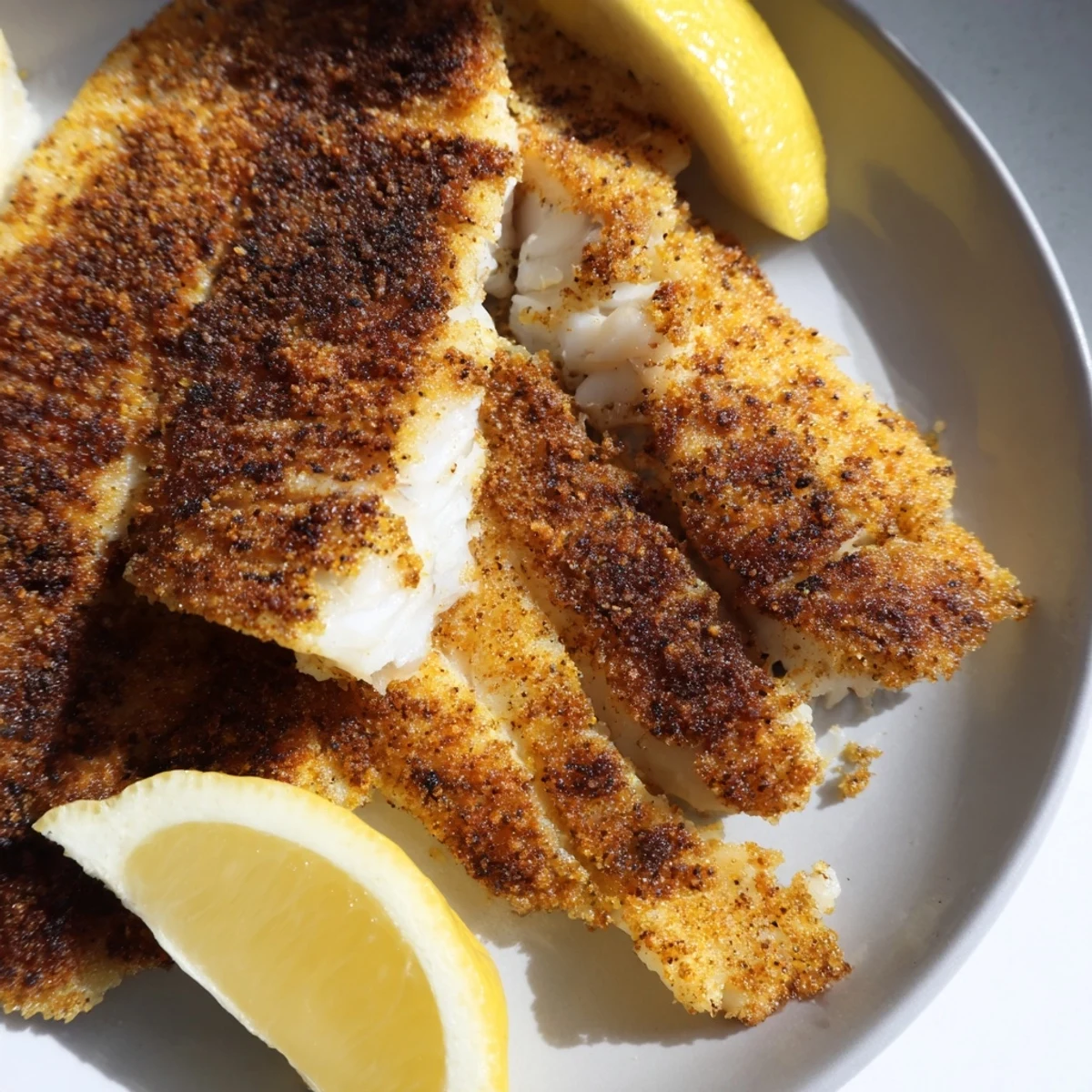
Save These pan-fried tilapia fillets are seasoned with a simple blend of paprika, garlic powder, and onion powder, then cooked in olive oil or butter until golden and crispy on the outside while remaining tender and flaky inside.
The entire dish comes together in just 20 minutes, making it an excellent choice for busy weeknight dinners. An optional cornmeal coating adds extra crunch, and a squeeze of fresh lemon brightens every bite.
At only 210 calories per serving with 32g of protein, this naturally gluten-free dish is both nutritious and satisfying. Serve alongside steamed vegetables, a fresh salad, or rice for a complete meal.
The sizzle of fish hitting a hot pan is one of those sounds that instantly makes a kitchen feel alive, and tilapia is the fish that taught me that lesson on a random Tuesday when the fridge offered nothing else. I had bought a bag of frozen fillets on impulse, skeptical that something so mild could actually become dinner worth remembering. Ten minutes later I was eating standing up at the counter, genuinely surprised by how golden and crisp those edges had gotten.
I started making this for my roommate in college after she complained that fish always tasted like nothing, and she quietly finished her entire plate before admitting it was actually good. That small victory turned tilapia into a weekly ritual we never formally agreed on but both counted on.
Ingredients
- 4 tilapia fillets (about 150g each): Pat them thoroughly dry with paper towels because moisture is the enemy of a good sear and any leftover water will steam the fish instead of frying it.
- 1 tsp salt: Don skimp here, salt is what wakes up the mild flavor of tilapia and makes it taste like something intentional.
- 1/2 tsp freshly ground black pepper: Freshly cracked makes a real difference, the pre ground stuff tastes flat against the delicate fish.
- 1/2 tsp paprika: This adds a subtle sweetness and that beautiful golden color that makes the dish look as good as it tastes.
- 1/4 tsp garlic powder: A gentle background note that rounds out the seasoning without overpowering the fish.
- 1/4 tsp onion powder: Works quietly alongside the garlic to build a savory foundation you might not notice individually but would miss if it were gone.
- 1/4 cup cornmeal or gluten-free flour (optional): This is your crunch factor, skip it for a lighter fillet or use it when you want that satisfying crust.
- 2 tbsp olive oil or unsalted butter: Butter gives richer flavor but olive oil handles higher heat better, I often split the difference.
- 1 lemon cut into wedges: A squeeze at the end brightens everything and cuts through the richness of the pan fond beautifully.
Instructions
- Mix your seasoning blend:
- In a small bowl, stir together the salt, pepper, paprika, garlic powder, and onion powder until evenly combined, then take a moment to appreciate how warm and inviting the paprika smells even raw.
- Season the fillets:
- Sprinkle both sides of each tilapia fillet generously with the spice mix, pressing it gently into the surface with your fingertips so it adheres rather than falling off in the pan.
- Optional coating step:
- If you want extra crunch, lightly dredge each seasoned fillet in cornmeal or gluten-free flour, then shake off the excess by tapping the fillet against your palm so you get a thin even layer.
- Heat the pan:
- Warm the olive oil or butter in a large nonstick skillet over medium-high heat until the surface shimmers and a tiny flick of water dances across it, which tells you the pan is ready.
- Cook the first side:
- Lay the fillets in carefully, working in batches if needed to avoid crowding, then let them cook undisturbed for three to four minutes until the edges turn golden and the fish releases naturally from the pan without sticking.
- Flip and finish:
- Turn each fillet gently with a fish spatula and cook another two to three minutes until the flesh is completely opaque and flakes apart easily when you press it with a fork.
- Serve with lemon:
- Transfer to warm plates immediately and hand everyone a lemon wedge, because that bright squeeze of acid right before eating pulls all the flavors together in a way nothing else can.
 Save
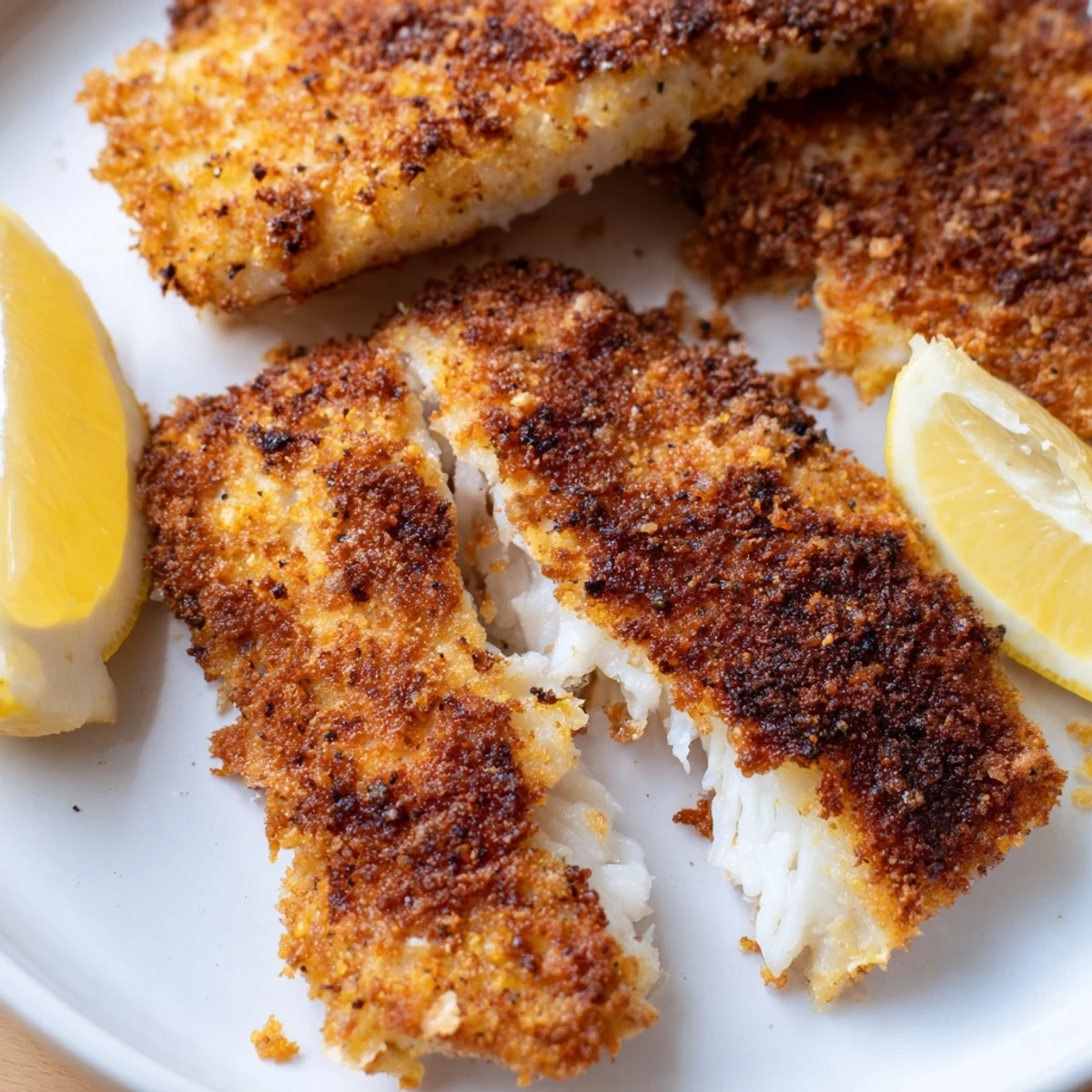
Save There was a night I made this for a friend who swore she hated fish, and she asked for seconds before I had even sat down to eat mine. That plate of tilapia became the thing she requested every time she came over after that.
Choosing the Right Pan
A large nonstick skillet is your best friend here because tilapia fillets are delicate and prone to sticking on stainless steel or cast iron if your heat control is not precise. A fish spatula with its thin flexible blade slides under the fillets without tearing them, which matters more than you think when you are trying to serve something that looks as good as it tastes.
What to Serve Alongside
Steamed green beans or a simple arugula salad with vinaigrette balance the richness of the pan-fried fish beautifully, and a scoop of rice soaks up any seasoned oil left on the plate. A glass of Sauvignon Blanc or a dry Riesling pairs wonderfully if you are in the mood for wine with dinner.
Swaps and Substitutions
Tilapia is wonderfully forgiving but you can use cod, catfish, or sole with the exact same method and timing, just adjust cooking time slightly for thicker fillets. The seasoning blend works on almost any mild white fish, so use whatever looks freshest at the counter.
- Catfish will need an extra minute per side due to its slightly denser texture.
- Cod fillets are often thicker, so reduce heat to medium after the flip to cook through without burning.
- Sole is thinner than tilapia and cooks in about half the time, so watch it closely.
 Save
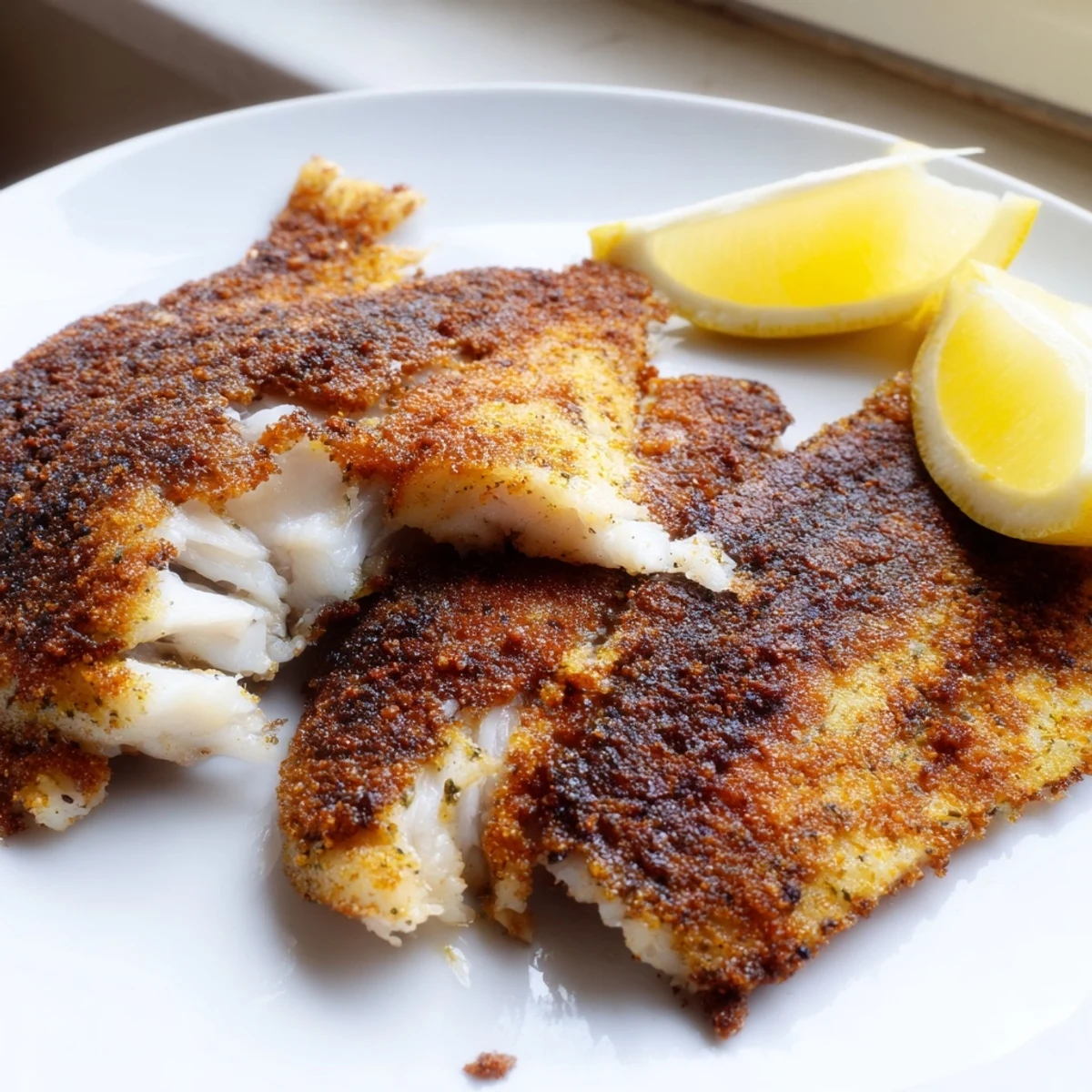
Save This is the kind of recipe that stays with you because it asks for almost nothing and gives back a dinner that feels put together. Keep a bag of tilapia in the freezer and these spices in your cabinet, and you will always be twenty minutes away from something worth eating.
Recipe FAQs
- → How do I know when tilapia is fully cooked?
-
Tilapia is done when it turns opaque throughout and flakes easily when tested with a fork. The internal temperature should reach 145°F (63°C). A properly cooked fillet will release easily from the pan when it's ready to flip.
- → Should I use cornmeal or flour for the coating?
-
Cornmeal gives a slightly crunchier texture with a subtle corn flavor, while gluten-free flour provides a lighter, more delicate crust. Either works well, and you can skip the coating entirely for a lighter version that still browns nicely in the skillet.
- → Can I use frozen tilapia fillets?
-
Yes, but thaw them completely first and pat them very dry with paper towels. Excess moisture prevents a good sear and can cause the fish to steam rather than fry, resulting in a less crispy crust.
- → What's the best oil for pan-frying tilapia?
-
Olive oil and butter both work beautifully. Olive oil gives a cleaner flavor and handles higher heat well, while butter adds richness and helps achieve a deeper golden color. Many cooks use a combination of both for the best results.
- → How do I prevent tilapia from sticking to the pan?
-
Make sure the fillets are thoroughly patted dry, the oil is fully heated before adding fish, and don't try to move the fillets too early. When the fish has formed a proper crust, it will release naturally from the skillet.
- → What sides go well with pan-fried tilapia?
-
Steamed vegetables, a fresh green salad, roasted asparagus, or fluffy rice are all excellent companions. For a low-carb option, try cauliflower rice or zucchini noodles. A light squeeze of lemon over everything ties the plate together.