
 Save
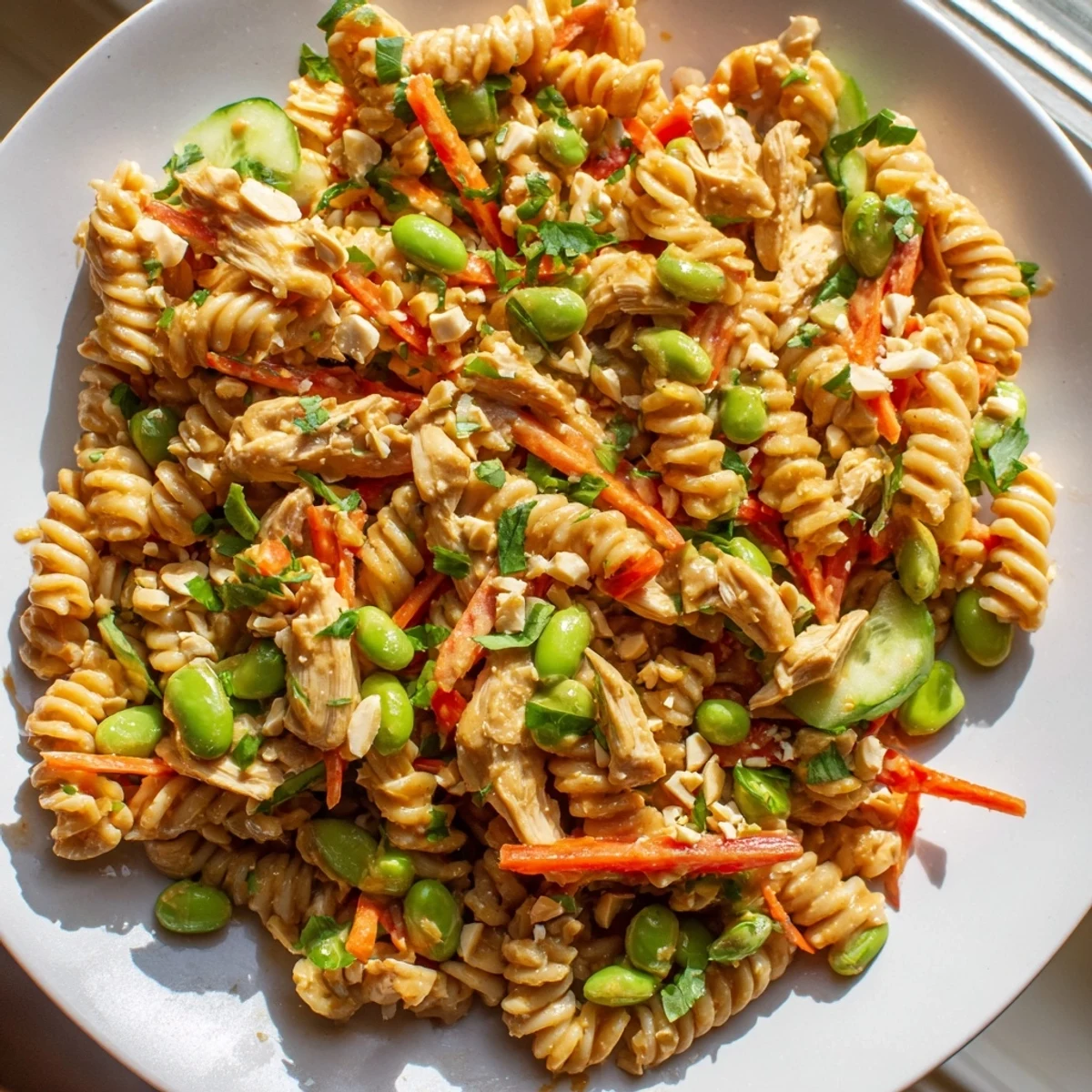
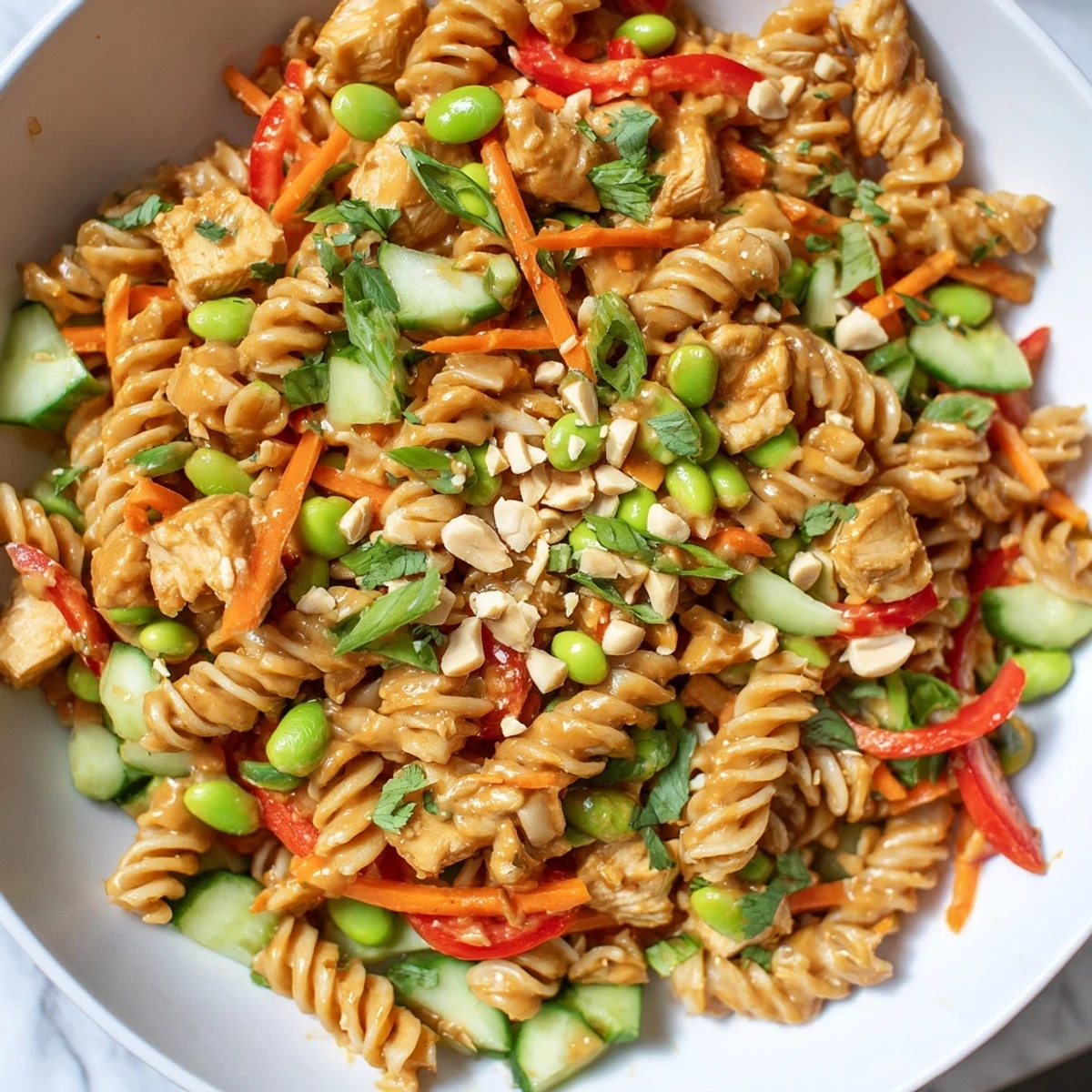
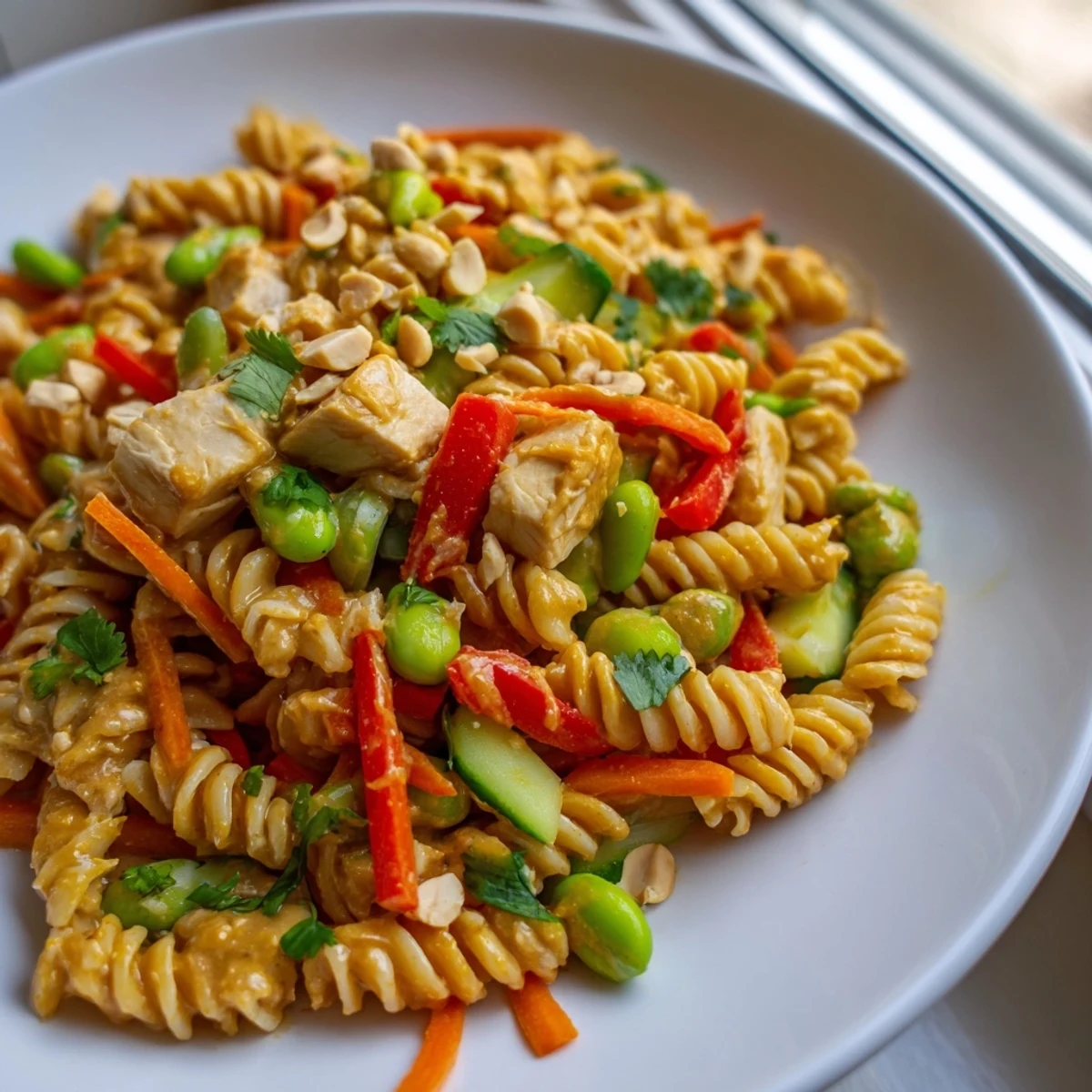
Save This Thai-inspired pasta salad brings together tender whole wheat pasta, diced chicken breast, and protein-rich edamame for a satisfying meal that clocks in at 36g of protein per serving.
A creamy peanut butter dressing infused with soy sauce, fresh lime, ginger, and sesame oil coats every bite with bold, zesty flavor. Crisp bell peppers, shredded carrots, and cool cucumber add refreshing crunch.
Ready in just 30 minutes with minimal cooking, it's an ideal make-ahead option for lunches, picnics, or light dinners. Garnish with chopped roasted peanuts and a squeeze of fresh lime to finish.
The smell of toasted sesame oil hitting a cold bowl of noodles is one of those small kitchen thrills that never gets old for me, and this Thai peanut pasta salad lives in that space between effortless and extraordinary. I started making it on sweltering Tuesday evenings when turning on the stove felt like a negotiation. Somewhere between the crunch of julienned bell pepper and the creamy cling of peanut dressing, it became the dish I bring to every potluck without being asked.
My neighbor Dana once leaned over the fence while I was tossing a massive batch of this and asked if I was opening a restaurant. I handed her a bowl over the fence and we ended up eating standing in our respective yards, chatting about nothing in particular for forty minutes.
Ingredients
- Chicken breast (2 cups cooked, diced): Firm tofu works beautifully if you press it for at least twenty minutes first, and the edges get wonderfully golden when pan fried.
- Shelled edamame (1 cup, cooked): These little green gems add a satisfying pop and push the protein count higher without any heavy feeling.
- Whole wheat or high protein pasta (250 g): Rotini and fusilli are your best friends here because the spirals grab onto every bit of that peanut dressing.
- Red bell pepper (1, julienned): Cut them thin so they fold into each bite rather than stealing the show.
- Shredded carrots (1 cup): A box grater works, but hand cut matchsticks hold their shape better after a night in the fridge.
- Sliced cucumber (1/2 cup): English cucumber is my preference because the seeds are less watery.
- Spring onions (3, sliced): Slice them on a sharp diagonal for visual appeal and a milder bite.
- Fresh cilantro (1/3 cup, chopped): If you are one of those people for whom cilantro tastes like soap, fresh mint is a worthy substitute.
- Natural peanut butter (1/3 cup): The kind with just peanuts and salt, nothing else, gives you a dressing that tastes like actual peanuts rather than sugar.
- Soy sauce (2 tbsp): Tamari works seamlessly for a gluten free version and tastes virtually identical here.
- Lime juice (2 tbsp): Fresh only, and roll the lime hard on your counter before juicing to get every last drop.
- Maple syrup or honey (1 tbsp): This small amount rounds out the salt and acid without making anything sweet.
- Toasted sesame oil (1 tbsp): This is the ingredient that makes people close their eyes and say hmm after the first bite.
- Garlic (1 clove, minced): One is enough because raw garlic can quickly dominate a cold dish.
- Fresh ginger (1 tsp, grated): Freeze a knob of ginger and grate it straight from frozen for the finest texture.
- Water (1 to 2 tbsp): Add gradually until the dressing pours like a thick cream rather than a paste.
- Crushed red pepper flakes (1/2 tsp, optional): Start with less, taste, and add more because the heat builds as it sits.
- Roasted peanuts (1/4 cup, chopped): Roughly crushed peanuts give better texture than finely chopped ones.
- Lime wedges: A final squeeze at the table brightens everything and makes each serving feel freshly made.
Instructions
- Cook and cool the pasta:
- Boil the pasta in well salted water until just al dente, then drain and rinse immediately under cold running water to halt the cooking and keep each piece separate and firm.
- Build the salad base:
- In your largest mixing bowl, combine the cooled pasta with the chicken or tofu, edamame, bell pepper, carrots, cucumber, spring onions, and cilantro, tossing gently so nothing gets crushed.
- Whisk the peanut dressing:
- In a medium bowl, whisk the peanut butter, soy sauce, lime juice, maple syrup, sesame oil, garlic, ginger, and water together until completely smooth, adding water one spoonful at a time until it falls from the whisk in a thick ribbon.
- Bring it all together:
- Pour the dressing over the salad and toss with two large spoons or your hands until every noodle and vegetable glistens evenly with the sauce.
- Plate and garnish:
- Mound the salad onto a wide platter or divide among bowls, then scatter the chopped peanuts over the top and tuck lime wedges around the edges for squeezing.
- Decide when to serve:
- You can eat it right away with bright immediate flavors, or cover and refrigerate for one hour to let the dressing soak in and everything settle into something deeper and more cohesive.
 Save
Save There was a Saturday when I packed this salad in mason jars for a hiking trip and my friends ate it sitting on a boulder overlooking a valley, and somehow the combination of exhaustion and peanut lime noodles made it the best meal any of us had ever tasted.
Smart Swaps and Dietary Tweaks
Tempeh is a surprisingly good stand in for chicken if you crumble and pan fry it with a splash of soy sauce first, giving it a nutty char that fits right into the Thai flavor profile. For a fully gluten free version, swap to rice noodles and tamari, and the texture shift is barely noticeable once the dressing takes over. Red cabbage or sugar snap peas can replace any of the vegetables if you are cleaning out the crisper drawer, which is honestly how most of my best versions were born.
Storage and Leftover Reality
This salad keeps for up to two days in an airtight container in the refrigerator, though the cucumber will soften and the cilantro may wilt slightly by day two. I actually prefer the second day because the noodles have absorbed the dressing and everything tastes more unified and rounded. If it seems dry after resting, a quick drizzle of sesame oil and a squeeze of lime bring it back to life in seconds.
What to Serve Alongside
This pasta salad holds its own as a complete meal, but a simple bowl of coconut soup or some grilled corn on the side turns it into a proper spread for guests. A cold lager or iced lemongrass tea pairs beautifully with the creamy peanut dressing.
- Keep extra dressing in a small jar on the side for anyone who likes it saucier.
- Toast the chopped peanuts in a dry pan for two minutes before garnishing for a noticeable upgrade in flavor.
- Always taste for salt and lime at the very end because the balance shifts after chilling.
 Save
Save Some dishes earn a permanent spot in your rotation not because they are flashy, but because they show up reliably and make everyone at the table happy without asking much of you in return.
Recipe FAQs
- → Can I make this pasta salad vegetarian?
-
Absolutely. Swap the chicken for extra-firm tofu or tempeh, cubed and lightly pan-fried for texture. The edamame already provides a solid plant-based protein boost, and tofu brings the total protein content right back up.
- → How long does it keep in the fridge?
-
It stores well for up to 2 days refrigerated in an airtight container. The peanut dressing may thicken as it chills, so let it sit at room temperature for 10–15 minutes and toss again before serving.
- → What type of pasta works best?
-
Short, sturdy shapes like penne, fusilli, or rotini hold up best. Their ridges and curves catch the peanut dressing perfectly. Whole wheat or chickpea pasta varieties add extra fiber and protein.
- → Is this dish gluten-free?
-
It can be. Use gluten-free pasta and replace the soy sauce with tamari. Double-check that your peanut butter and other condiments are certified gluten-free as well.
- → Can I adjust the spice level?
-
Yes. The crushed red pepper flakes are optional, so you can omit them entirely for a milder dish or increase to 1 teaspoon for a noticeable kick. A dollop of sriracha mixed into the dressing is another great way to dial up the heat.
- → What can I substitute for peanut butter in the dressing?
-
Almond butter or sunflower seed butter work well as alternatives, especially if there's a peanut allergy. The flavor profile shifts slightly, but the creamy texture and richness remain. Adjust seasoning to taste.