
 Save
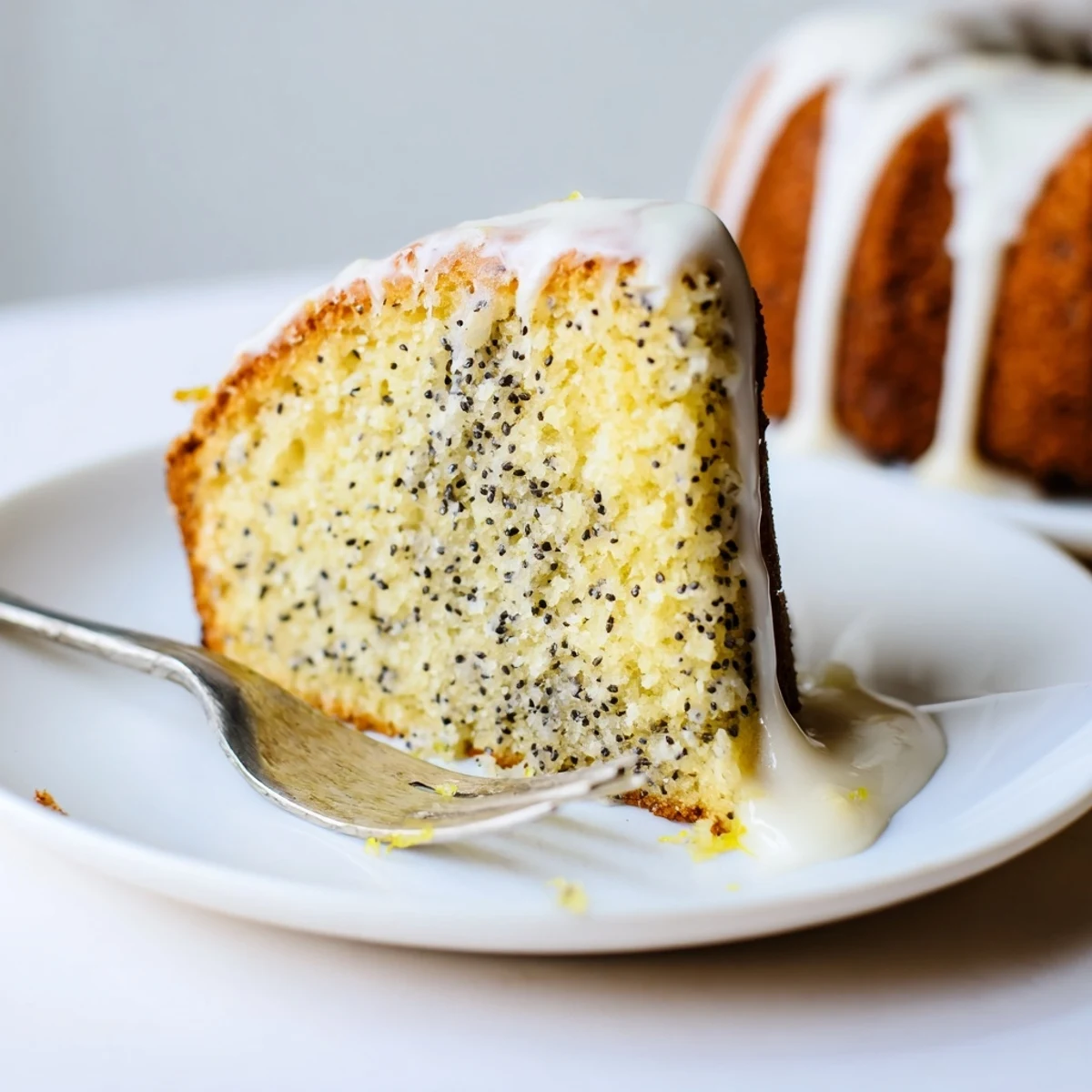
Save This tender lemon poppy seed cake delivers bright citrus flavor in every bite. The moist crumb comes from perfectly creamed butter and sugar, while fresh lemon zest and juice provide vibrant tanginess. Tiny poppy seeds add delightful texture throughout.
Baking takes less than an hour, and the simple lemon glaze adds the perfect finishing touch. Great for afternoon tea, brunch gatherings, or whenever you crave something bright and satisfying.
My grandmother kept a ceramic lemon tree on her windowsill that I mistook for real fruit until I was seven. When she finally baked me something with actual lemons, the difference was like waking up from a dull dream into a bright yellow kitchen. This cake captures that sudden clarity—the kind that makes you pause mid bite and wonder how something so simple can taste so entirely alive.
Last spring I made this for a friend who was going through a rough patch at work. She took one bite, closed her eyes, and said this tastes like sunshine in cake form. We sat on her back porch for two hours with the last remnants of daylight and crumbs on our plates, talking about everything and nothing until the cake was gone and our cups were empty.
Ingredients
- 2 1/2 cups all-purpose flour: The foundation that holds everything together without weighing down the delicate crumb
- 2 tablespoons poppy seeds: These tiny specks add texture and a subtle nutty flavor that balances the bright lemon
- 2 teaspoons baking powder: Gives the cake its lift without making it too light or dry
- 1/2 teaspoon baking soda: Works with the acidic lemon juice to create extra tenderness
- 1/2 teaspoon salt: Enhances all the flavors and prevents the cake from tasting flat
- 1 cup unsalted butter: Room temperature butter creates the perfect crumb and rich mouthfeel
- 1 1/2 cups granulated sugar: Sweetens without overpowering the bright lemon notes
- 4 large eggs: Provides structure and helps the cake rise beautifully
- 1 tablespoon lemon zest: Where most of the concentrated lemon flavor lives, so do not skip this
- 1/4 cup fresh lemon juice: Adds acidity and brightness throughout the cake
- 1 teaspoon vanilla extract: Rounds out the sharp citrus notes
- 1 cup whole milk: Creates moisture and tenderness in every bite
- 1 cup powdered sugar: Forms the base of the glaze that adds sweetness and a beautiful finish
- 2-3 tablespoons fresh lemon juice: Thins the glaze to the perfect pourable consistency
Instructions
- Get your oven ready:
- Preheat to 350°F and generously grease your pan with butter and dust with flour, paying special attention to all the crevices and corners
- Mix the dry ingredients:
- Whisk flour, poppy seeds, baking powder, baking soda, and salt in a medium bowl until everything is evenly distributed
- Cream the butter and sugar:
- Beat butter and sugar for about 3 minutes until the mixture looks pale and fluffy, which creates the perfect cake texture
- Add the eggs:
- Add eggs one at a time, beating well after each one to fully incorporate before moving on
- Add the lemon and vanilla:
- Mix in the lemon zest, juice, and vanilla extract until the batter smells absolutely incredible
- Combine everything:
- Add the dry ingredients and milk in three alternating additions, mixing just until the flour disappears to keep the cake tender
- Bake the cake:
- Pour the batter into your prepared pan, smooth the top, and bake for 45 to 50 minutes until a toothpick comes out clean
- Cool completely:
- Let the cake rest in the pan for 15 minutes before turning it out onto a wire rack to finish cooling
- Make the glaze:
- Whisk powdered sugar with enough lemon juice to reach a thick but pourable consistency, then drizzle generously over the cooled cake
 Save
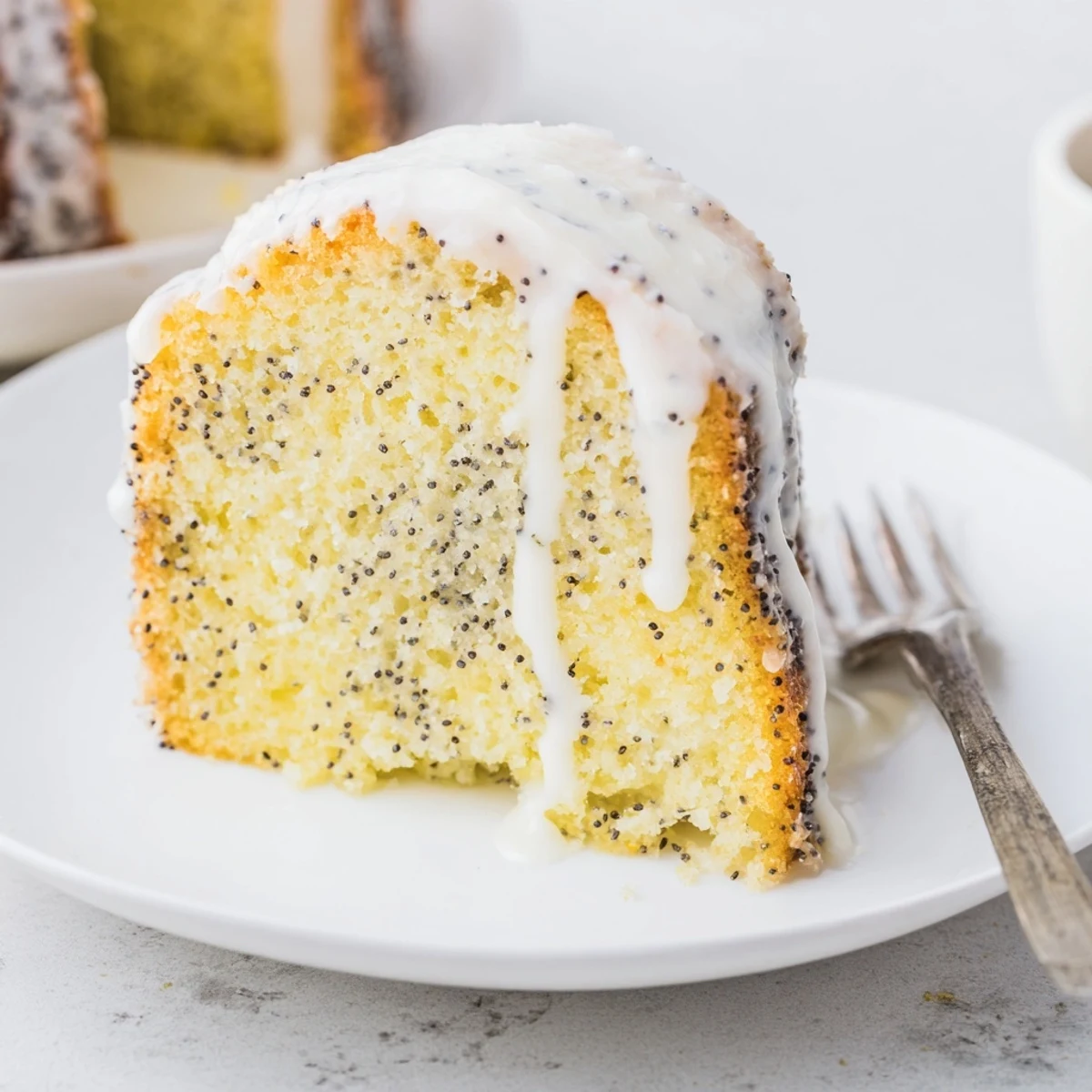
Save This recipe has become my go-to for new neighbors and potluck dinners because it travels beautifully and always disappears first. Something about lemon cake makes people feel taken care of, like you put extra thought into bringing them something special.
Getting the Most Lemon Flavor
The zest contains all the essential oils that carry the real lemon essence, so take your time grating it right down to the white pith without going into it. I zest my lemons before I juice them, which makes the whole process feel less rushed and more intentional.
Pan Choices Matter
A Bundt pan gives you those beautiful ridges that catch the glaze and make every slice look like it came from a bakery. A loaf pan creates more casual slices perfect for breakfast or afternoon coffee, but the Bundt version feels more special for serving guests.
Making It Ahead
This cake actually tastes better on day two when the lemon has had time to really settle into the crumb and the moisture has distributed evenly throughout. Wrap it tightly once it is completely cooled and it will stay fresh on the counter for three days.
- Add the glaze right before serving so it stays fresh and drippy
- If you need to freeze it, glaze after thawing for the best appearance
- A little sprinkle of extra poppy seeds on top of the glaze makes it look professional
 Save
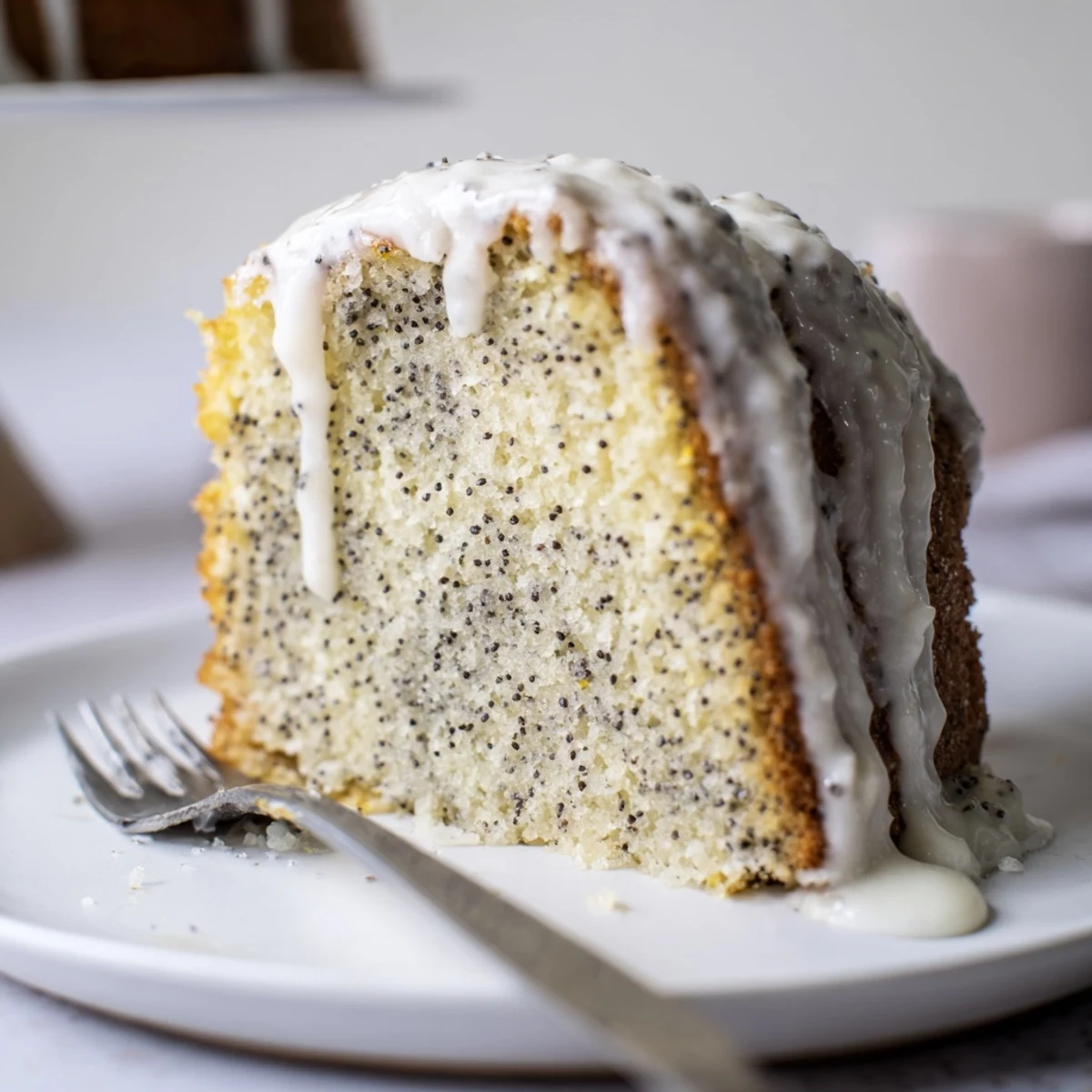
Save There is something deeply satisfying about a cake that looks impressive but comes together so reliably. This one has never let me down, whether I am baking for a crowd or just treating myself to something special on a Tuesday afternoon.
Recipe FAQs
- → How do I know when the cake is done baking?
-
Insert a toothpick into the center of the cake. If it comes out clean or with just a few moist crumbs, the cake is ready. The edges should also start pulling away slightly from the pan.
- → Can I make this cake ahead of time?
-
Absolutely. The cake stays moist for 2-3 days when stored in an airtight container at room temperature. You can bake it a day before serving and add the glaze shortly before serving for best results.
- → What's the best way to zest lemons?
-
Use a microplane or fine zester to remove just the outer yellow layer, avoiding the white pith underneath which can be bitter. One medium lemon typically yields about one tablespoon of zest.
- → Can I freeze this lemon poppy seed cake?
-
Yes, wrap the cooled cake tightly in plastic wrap and foil, then freeze for up to 3 months. Thaw overnight at room temperature. Add the glaze after thawing for the freshest appearance.
- → Why did my cake turn out dense?
-
Overmixing the batter can develop too much gluten, making the cake dense. Mix just until combined after adding the dry ingredients. Also ensure all ingredients are at room temperature before starting.
- → Can I use a different type of pan?
-
A 9x5-inch loaf pan works well, though you may need to adjust baking time slightly. Two 8-inch round cake pans can also be used, reducing baking time to about 30-35 minutes.