
 Save
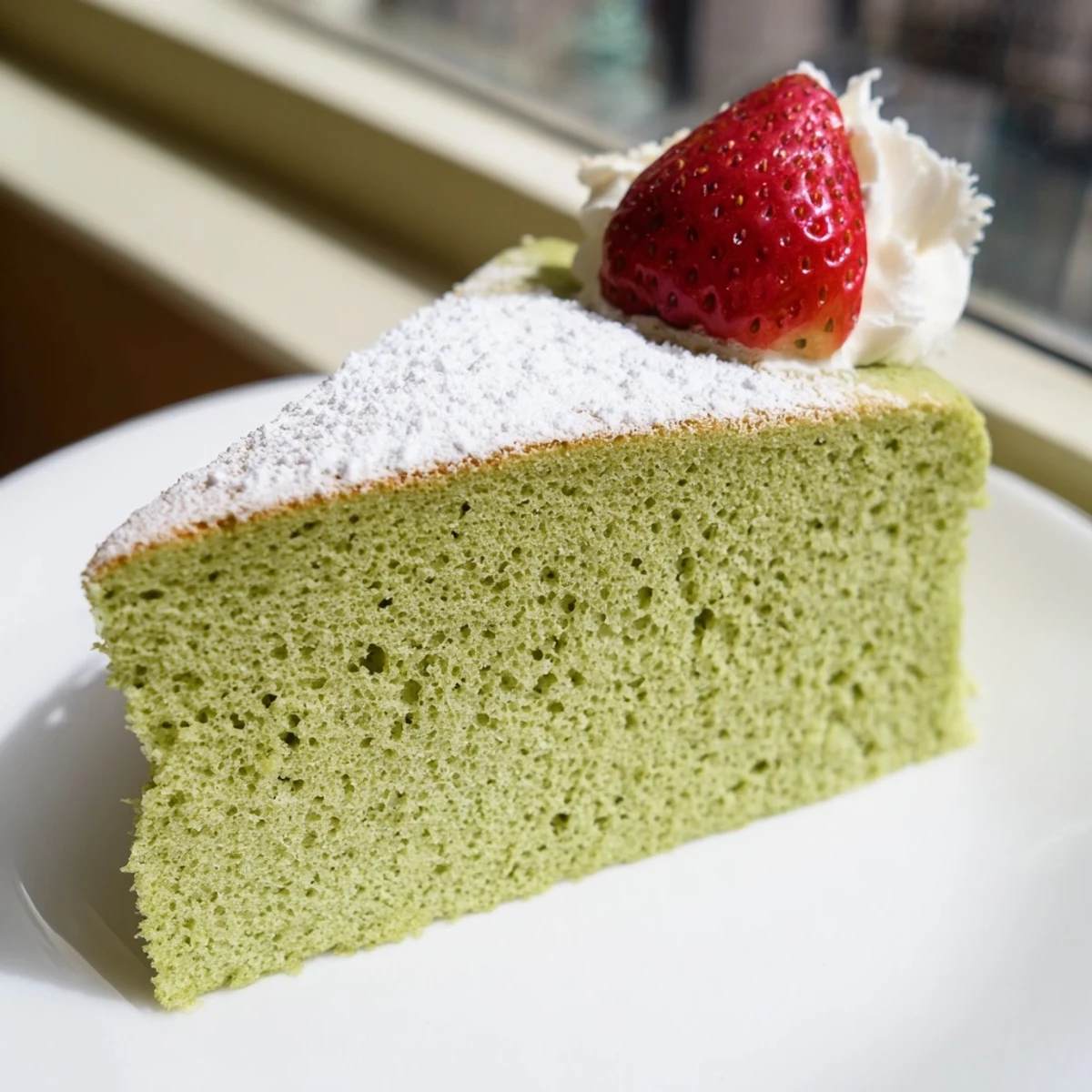
Save This Japanese-inspired matcha sponge cake delivers a delicate, airy crumb with the earthy, vibrant notes of premium green tea powder.
The batter comes together in just 20 minutes using a simple mixing method—alternating dry sifted ingredients with wet ones for maximum fluffiness.
Baked until golden and fragrant, it pairs beautifully with powdered sugar dusting, fresh berries, or a dollop of whipped cream for an elegant finish.
The green tea aisle at Mitsuwa Marketplace always stops me in my tracks. Last spring I walked out with three different grades of matcha I absolutely did not need, and one of them ended up in this cake later that same afternoon. The batter turned the most impossible shade of green, almost cartoonish, and I was sure I had ruined something expensive.
I brought this to a potluck where a friend who swears she hates green tea went back for a second slice before admitting it was matcha. That small moment of conversion is why I keep this recipe in regular rotation.
Ingredients
- All-purpose flour (1 1/2 cups or 180 g): Sifting is non-negotiable here because the matcha powder clumps worse than anything else I bake with.
- Matcha green tea powder (2 tbsp, up to 3 for stronger flavor): Use ceremonial grade if you can find it because the cheaper cooking grades taste flat and muddy in a cake.
- Baking powder (1 tsp): Fresh matters more than you think, so replace yours if it has been sitting in the pantry since last year.
- Salt (1/4 tsp): Just enough to keep the sweetness from becoming cloying.
- Granulated sugar (3/4 cup or 150 g): Less sugar than most cakes because matcha has a natural sweetness that emerges during baking.
- Whole milk, room temperature (1/2 cup or 120 ml): Cold milk will seize the melted butter on contact, a mistake I have made more than once.
- Unsalted butter, melted and slightly cooled (2/3 cup or 150 g): Let it cool until it is warm but not hot to the touch, otherwise you will cook the eggs.
- Large eggs, room temperature (3): Room temperature eggs incorporate faster and trap more air, which is what gives this cake its lift.
- Vanilla extract (1 tsp): A quiet background note that rounds out the grassy edge of the matcha.
- Powered sugar, whipped cream, or fresh berries (optional for decoration): A dusting of powdered sugar through a sieve looks elegant and covers any uneven browning on top.
Instructions
- Preheat and prepare the pan:
- Set your oven to 350 degrees F (175 degrees C) and grease an 8-inch round cake pan before lining the bottom with parchment paper. This step is unglamorous but saves you from the heartbreak of a cake that will not release.
- Sift the dry ingredients:
- Pass the flour, matcha powder, baking powder, and salt through a sifter into a medium bowl. You will see green specks scattered evenly through the flour when it is properly sifted.
- Whisk eggs and sugar until fluffy:
- Beat the eggs and sugar together vigorously for 2 to 3 minutes until the mixture turns pale yellow and falls in ribbons from the whisk. This aeration is doing most of the heavy lifting for the crumb.
- Add butter and vanilla:
- Pour in the slightly cooled melted butter and vanilla extract, then fold gently until just combined. The batter will look rich and glossy at this stage.
- Combine wet and dry in stages:
- Add the dry ingredients and milk in alternating additions, starting and ending with the flour mixture. Fold with a spatula just until you no longer see dry streaks because overmixing deflates everything you just built.
- Pour and smooth:
- Transfer the batter to your prepared pan and use the spatula to smooth the top into an even layer. Give the pan one gentle tap on the counter to release any large air bubbles hiding underneath.
- Bake until set:
- Bake for 30 to 35 minutes, checking at the 30-minute mark by inserting a toothpick into the center. The cake is done when the toothpick comes out with a few moist crumbs but no wet batter.
- Cool with patience:
- Let the cake rest in the pan for 10 minutes, then turn it out onto a wire rack to cool completely. Cutting into it too early will give you a gummy texture that no amount of frosting can fix.
- Finish and serve:
- Dust the top generously with powdered sugar through a fine mesh sieve. Serve with a dollop of whipped cream and a few fresh berries if you have them on hand.
 Save
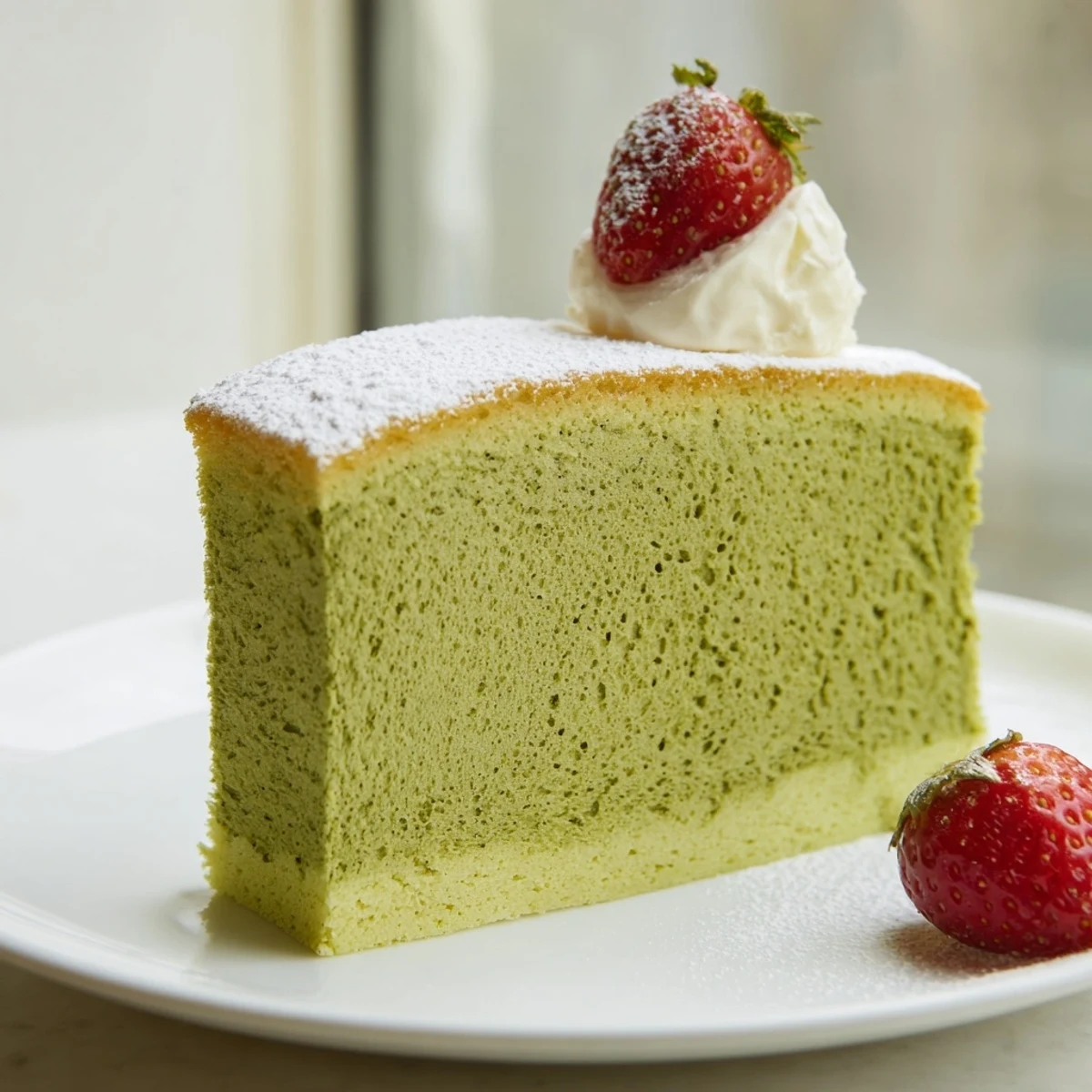
Save The first time this cake came out of the oven with a perfectly domed top I actually clapped out loud in my empty kitchen. It felt like a small victory over every sunken, under-baked, or oddly textured cake that came before it.
Swapping in Almond Flour
Replacing half the all-purpose flour with finely ground almond flour adds a tender crumb and a faintly nutty sweetness that pairs beautifully with matcha. I tried a fully almond flour version once and it collapsed in the center, so I stick with a fifty-fifty split now.
Pairing It Right
This cake alongside a cup of sencha or hojicha is genuinely one of my favorite afternoon combinations. A friend once poured sparkling wine at a brunch alongside it, and the effervescence cut through the richness in a way I did not expect.
Storage and Make Ahead
This matcha cake keeps beautifully at room temperature under a cake dome for up to three days, and the flavor actually deepens overnight as the matcha mellows. For longer storage, wrap individual slices tightly and freeze them for up to a month.
- Let frozen slices thaw at room temperature for about an hour rather than using the microwave.
- Avoid refrigerating the cake because the cold dries out the crumb and dulls the matcha flavor.
- Always add the powdered sugar dusting just before serving so it does not absorb into the surface.
 Save
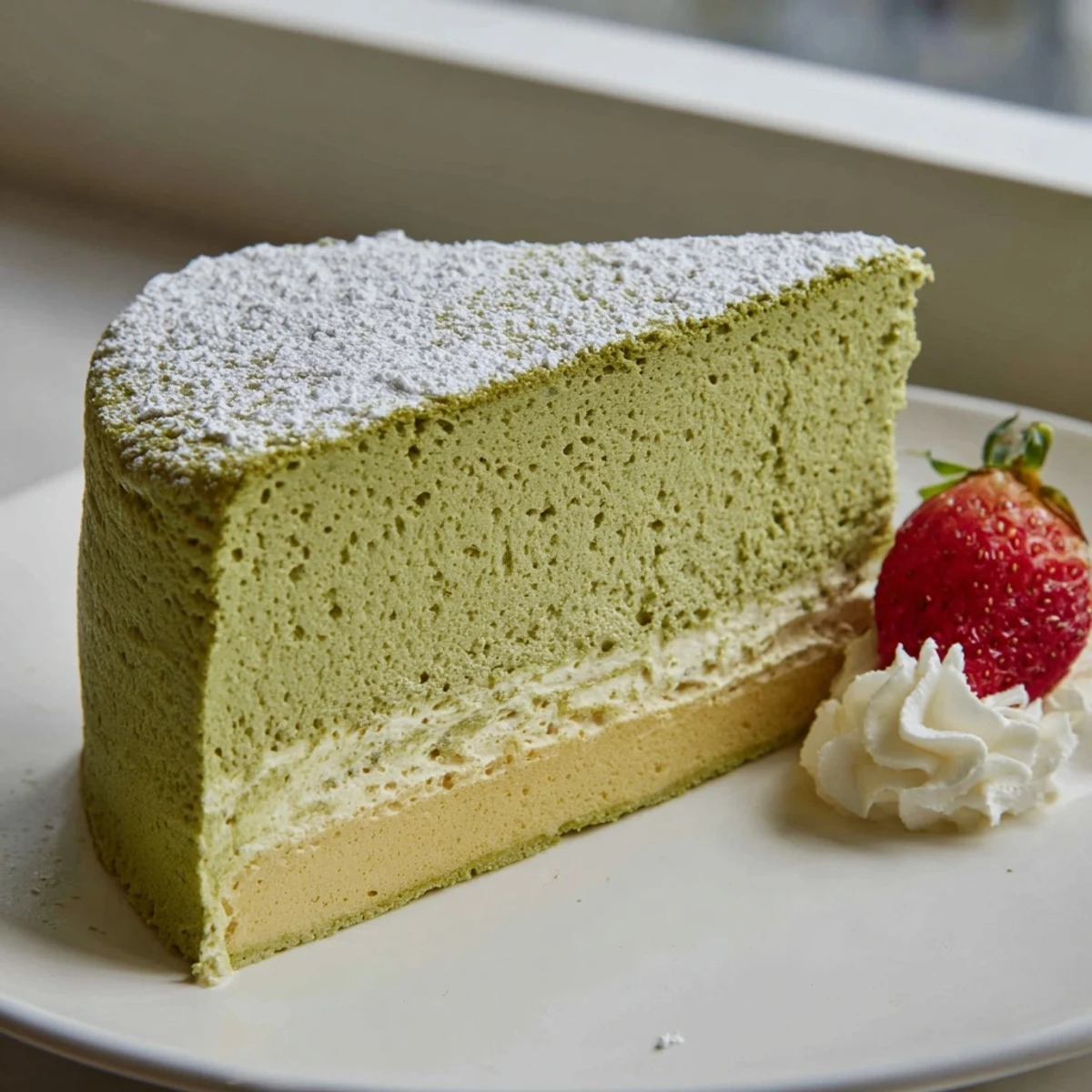
Save Every time I bake this cake the kitchen smells earthy and warm in a way that is hard to describe but instantly recognizable. It is the kind of recipe that makes people ask for the recipe, and now you have it.
Recipe FAQs
- → What grade of matcha should I use for this cake?
-
Ceremonial grade matcha offers the best flavor and color, but culinary grade works well too. Avoid cooking-grade matcha that appears dull or yellowish, as it will produce a muted flavor and less vibrant color in your cake.
- → Can I make this cake ahead of time?
-
Yes, this matcha sponge cake actually improves in flavor after resting. Wrap it tightly in plastic wrap and store at room temperature for up to 2 days, or refrigerate for up to 5 days. Bring to room temperature before serving.
- → Why did my matcha cake turn out dense instead of fluffy?
-
Overmixing the batter is the most common cause. Fold the dry and wet ingredients together gently until just combined. Also ensure your baking powder is fresh and your eggs are at room temperature for proper leavening.
- → Can I substitute the all-purpose flour with a gluten-free alternative?
-
A 1:1 gluten-free baking flour blend works well as a direct substitute. For a nuttier flavor, you can replace half the flour with almond flour, though the texture will be slightly denser and more tender.
- → How should I store leftover matcha cake?
-
Store leftover cake in an airtight container at room temperature for up to 2 days. For longer storage, refrigerate for up to 5 days or freeze individual slices wrapped tightly for up to 3 months.
- → What pairs well with matcha cake for serving?
-
This cake complements hot green tea, sparkling wine, or coffee beautifully. Top slices with fresh berries, whipped cream, or a light matcha buttercream for a more indulgent presentation.