
 Save
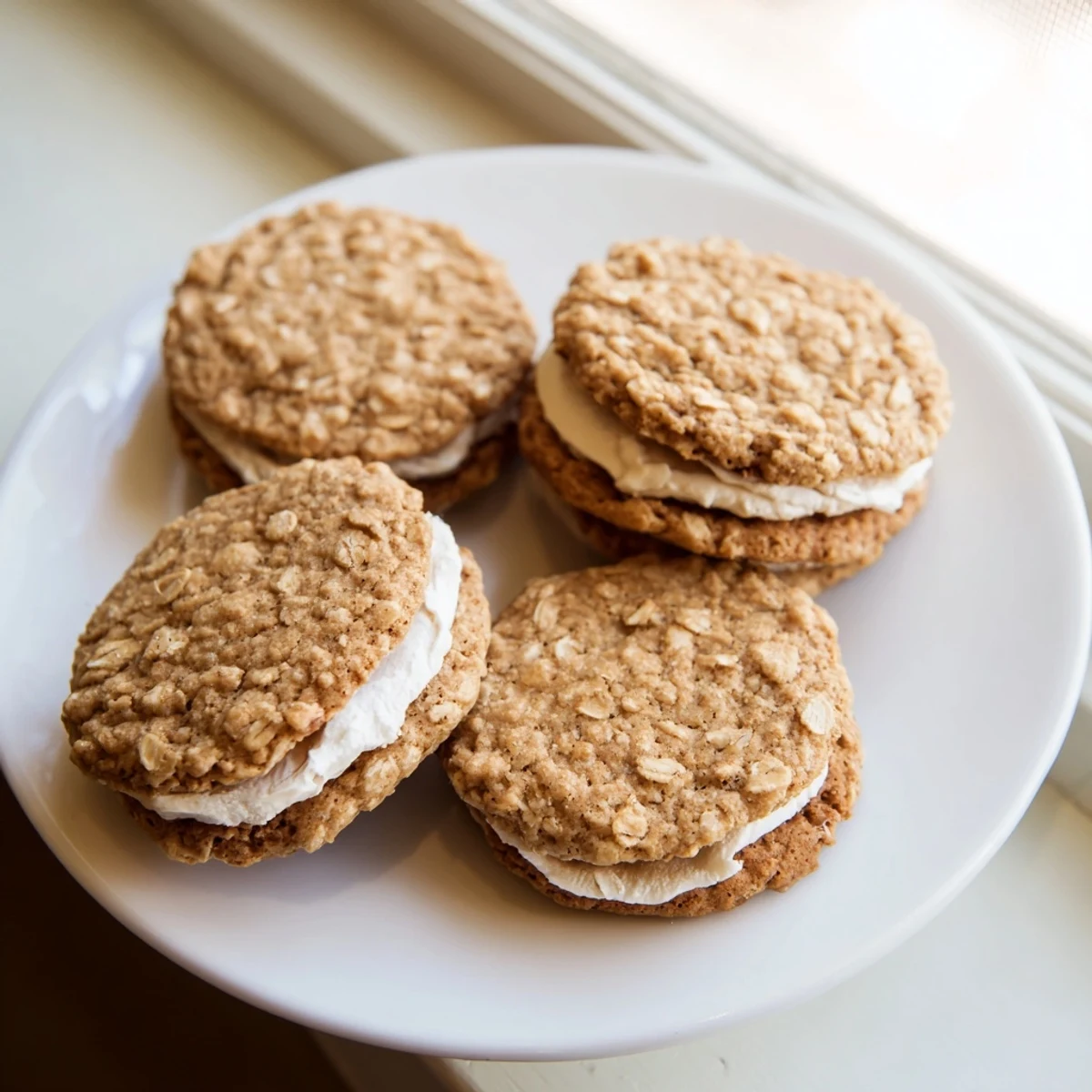
Save These classic oatmeal cream pies feature soft, chewy cookies spiced with cinnamon, paired with a silky vanilla buttercream filling. The dough combines rolled oats with brown sugar for that perfect texture—slightly crisp edges with tender centers. Each sandwich delivers nostalgic comfort with just the right balance of sweetness.
It was a rainy Tuesday when my kitchen started smelling like the school cafeteria, but in the best possible way. I'd been trying to recreate those little wrapped oatmeal cream pies from my lunchbox days, and somewhere between the third batch of cookies and my seventh attempt at the filling ratio, I finally cracked the code. My roommate wandered in, attracted by the cinnamon and butter wafting through the apartment, and we ended up eating half the batch standing at the counter while the rain tapped against the windows.
Last summer I made these for a neighborhood block party and watched three kids argue over who got the last one. The mom of one of them cornered me later, looking suspicious, and asked what I'd done differently from every other oatmeal cream pie recipe she'd tried. I told her the secret was underbaking them by exactly thirty seconds and letting them cool completely before filling—details I'd learned after dozens of slightly crispy failures.
Ingredients
- Unsalted butter: Keep it at room temperature for at least an hour before starting—cold butter creates flat, tough cookies and nobody wants that in their cream pie life
- Light brown sugar: The molasses content keeps the cookies chewy and gives that deep caramel flavor that pairs so beautifully with oatmeal
- Old-fashioned rolled oats: Don't use quick oats unless you want a softer, less textured cookie—rolled oats hold their shape and provide that perfect chewy bite
- Powdered sugar: Sift it twice or you'll get lumpy filling that makes your pies look like they have acne
- Heavy cream or milk: This thins the filling just enough to make it spreadable without turning it into a glaze that squishes out everywhere
Instructions
- Get your oven ready:
- Preheat to 350°F and line two baking sheets with parchment paper—this is non-negotiable unless you want to spend twenty minutes chiseling cookies off your sheets later
- Cream the butter and sugars:
- Beat them together for a full two minutes until the mixture is pale and fluffy, incorporating air into the dough for lighter cookies
- Add eggs and vanilla:
- Crack each egg in separately and beat well after each addition, then pour in your vanilla and watch everything come together
- Whisk your dry ingredients:
- In a separate bowl, combine flour, baking soda, baking powder, salt, and cinnamon until evenly distributed
- Mix it all together:
- Gradually add the dry ingredients to your butter mixture, mixing only until you no longer see white streaks—overmixing makes tough cookies
- Fold in the oats:
- Use a spatula to gently incorporate the oats by hand, which keeps them from getting crushed by the mixer
- Scoop and bake:
- Drop tablespoon-sized mounds onto your prepared sheets, leaving two inches between them, and bake for 10 to 12 minutes until edges are just golden
- Cool completely:
- Let them rest on the baking sheets for five minutes, then transfer to a wire rack—warm cookies will melt your filling right off
- Make the cream filling:
- Beat butter until creamy, then gradually add powdered sugar, cream, vanilla, and salt until fluffy and spreadable
- Assemble your pies:
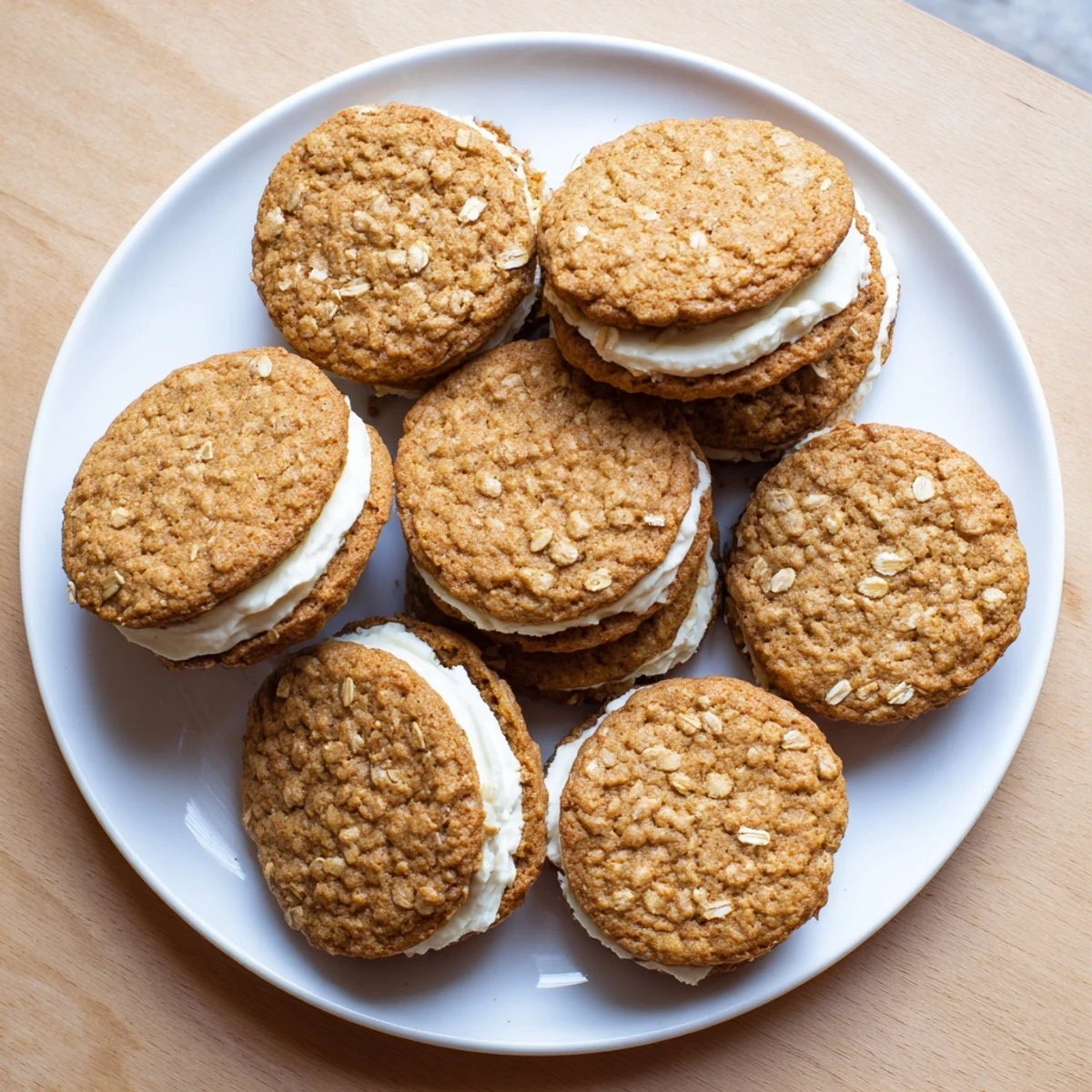
- Pair cookies of similar size, spread about one tablespoon of filling on the flat side of one, and gently press another cookie on top
 Save
Save My sister called me at midnight last week, voice hushed, to say she'd just eaten three of these in bed after everyone else was asleep. I told her I wasn't judging because I'd done the exact same thing with the test batch. Sometimes you need four oatmeal cream pies and a glass of milk while watching comfort television—no apologies necessary.
Making Them Ahead
You can bake the cookies up to three days before assembling, stored in an airtight container at room temperature. The filling can be made two days ahead and kept refrigerated, but let it come to room temperature before spreading or you'll tear the cookies trying to sandwich them together.
Customization Ideas
Try adding a teaspoon of maple extract to the filling for autumn vibes, or fold mini chocolate chips into the cookie dough before baking. During winter months, I've been known to add orange zest to both the cookies and filling—it transforms the whole experience into something that feels fancy despite being pure comfort food.
Storage and Freezing
Keep assembled pies in an airtight container at room temperature for up to three days, though they rarely last that long in my house. For longer storage, wrap individual pies tightly in plastic wrap and freeze for up to two months—they thaw beautifully on the counter in about an hour.
- Place a piece of parchment paper between stacked pies so they don't stick together
- If freezing unfilled cookies, separate them with wax paper for easy portioning later
- Never refrigerate assembled pies unless absolutely necessary—cold cream filling gets unpleasantly hard
 Save
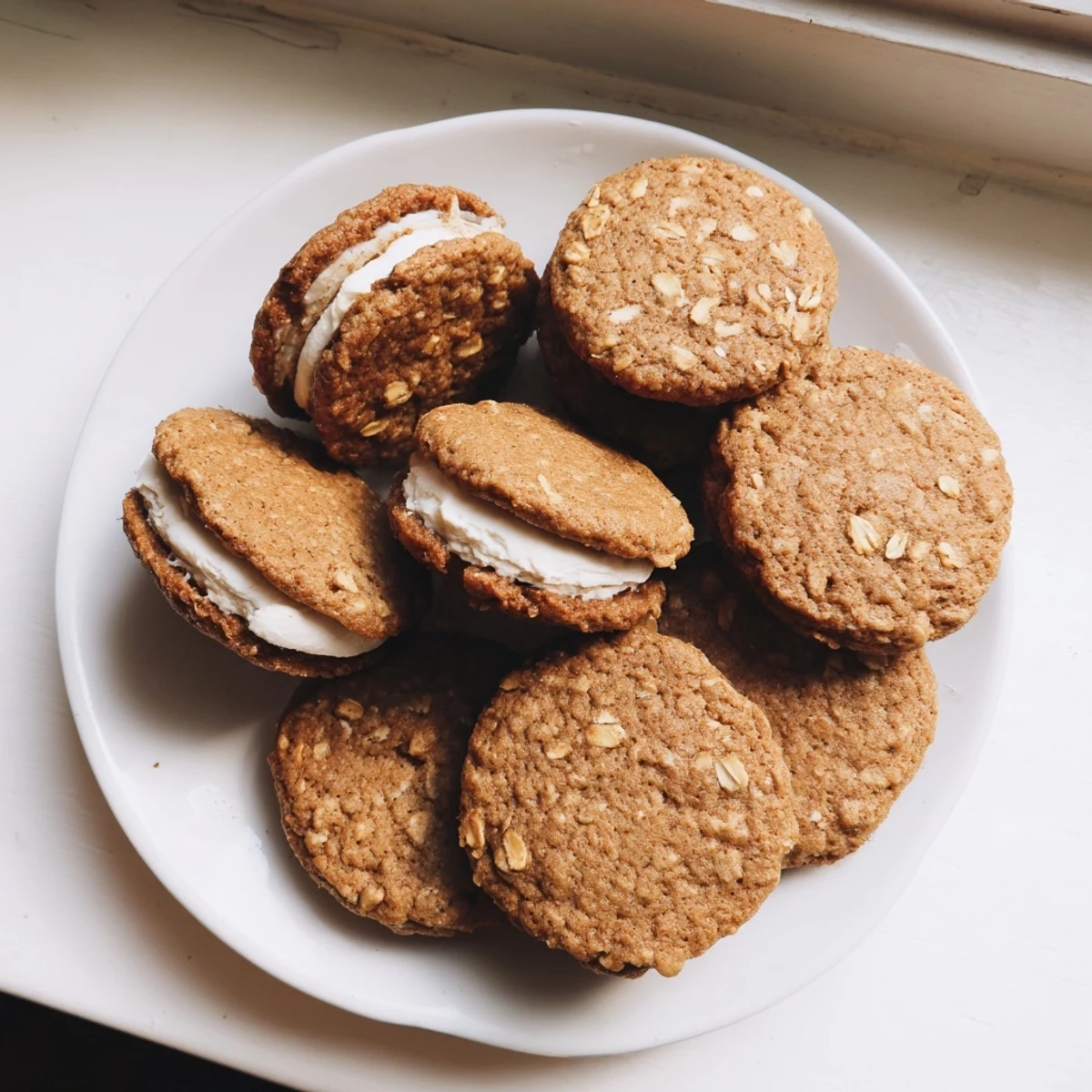
Save There's something deeply satisfying about two soft cookies hugging a cloud of vanilla cream together. Make these for someone you love, or just for yourself on a Tuesday afternoon when you need a little sweetness.
Recipe FAQs
- → How should I store these?
-
Keep in an airtight container at room temperature for up to 4 days. The cookies actually soften and become more tender over time.
- → Can I freeze the dough?
-
Yes, scoop unbaked dough onto a baking sheet and freeze until solid. Transfer to a freezer bag for up to 2 months. Bake from frozen, adding 1-2 minutes.
- → What if I don't have an electric mixer?
-
You can cream the butter and sugars by hand with a sturdy wooden spoon, though it will take longer (about 5 minutes of vigorous mixing).
- → Can I use quick oats instead?
-
Quick oats work fine but produce a softer, less textured cookie. Old-fashioned rolled oats give the best chewy result.
- → How do I get uniformly sized cookies?
-
Use a cookie scoop or measure tablespoons of dough. Weighing portions at 25 grams each ensures even baking.
- → Why did my cookies spread too much?
-
Chill the dough for 30 minutes if your kitchen is warm. Also ensure your butter was softened, not melted.