
 Save
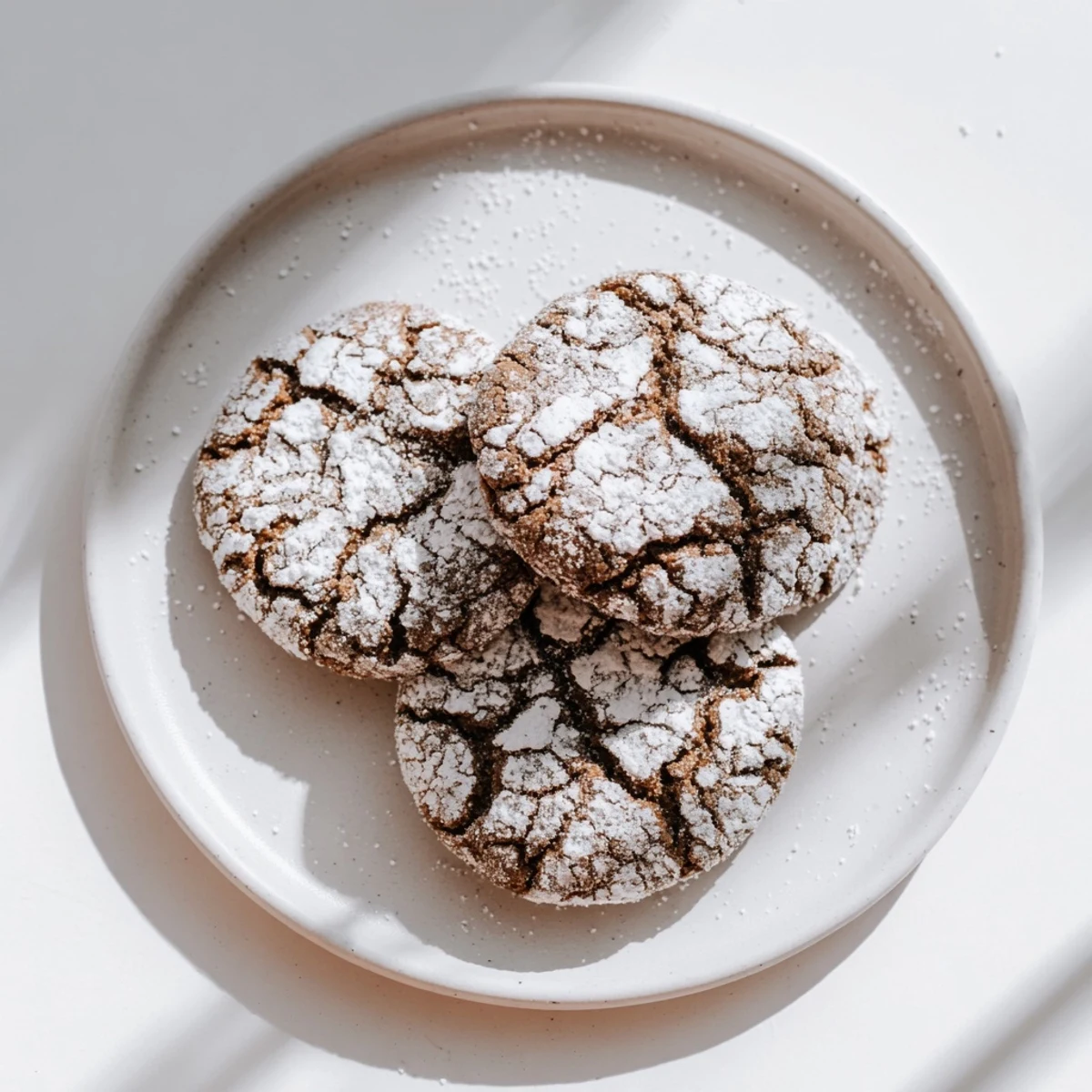
Save These soft gingerbread crinkles feature warming spices like ginger, cinnamon, cloves, and nutmeg. The dough requires chilling for 30 minutes, then gets rolled in granulated and powdered sugar for that signature crackled appearance. Bake at 350°F for 10-12 minutes until set but slightly soft in the center. The result is chewy, spiced cookies with a beautiful snowy white coating that looks stunning on holiday platters.
The snow was falling sideways when I first pulled these from the oven, my kitchen smelling like a bakery exploded with spice. I'd been procrastinating holiday baking for weeks, but something about that gray afternoon made me grab the molasses. Those first batches came out looking a little wonky, but my roommate ate three warm ones straight from the rack and declared them better than any cookie she'd ever bought.
Last December I brought a plate to my neighbor's holiday party, figuring they would just sit there among all the fancy store-bought treats. An hour later her teenage son hunted me down to ask for the recipe, saying he'd eaten six and was plotting how to sneak more before anyone noticed. Now they are my go-to for everything from cookie exchanges to quiet Tuesday nights with tea.
Ingredients
- 2 1/4 cups all-purpose flour: This forms the structure of your cookie, so measure properly by spooning and leveling rather than scooping directly
- 1 tsp baking soda: Essential for getting those beautiful cracks on top as the cookies rise and spread in the oven
- 2 tsp ground ginger: The star of the show, dont be shy with this spice
- 1 tsp ground cinnamon: Adds warmth and rounds out the ginger beautifully
- 1/4 tsp ground cloves: Just enough to give that classic gingerbread depth without overwhelming
- 1/4 tsp ground nutmeg: A subtle background note that makes people ask what your secret is
- 1/4 tsp salt: Crucial for balancing all that sweetness and intensifying the spices
- 1/2 cup unsalted butter: Room temperature is non negotiable here for proper creaming with the sugar
- 1/2 cup packed brown sugar: The molasses in brown sugar doubles down on that deep flavor profile
- 1/4 cup unsulphured molasses: Do not substitute this, it is absolutely the soul of authentic gingerbread
- 1 large egg: Binds everything together and adds structure
- 1 tsp vanilla extract: Pure extract makes a difference you can taste
- 1/2 cup granulated sugar: For the first roll, this layer helps create the crackle effect
- 1/2 cup powdered sugar: The final snowy coating that makes these irresistible and photogenic
Instructions
- Whisk the dry ingredients:
- In a medium bowl, combine flour, baking soda, ginger, cinnamon, cloves, nutmeg, and salt until well blended.
- Cream the butter and sugar:
- Beat butter and brown sugar in a large bowl until the mixture turns pale and fluffy, about 2 to 3 minutes.
- Add the wet ingredients:
- Pour in molasses, egg, and vanilla extract, beating until everything comes together smoothly.
- Combine the mixtures:
- Gradually mix in the dry ingredients just until combined, being careful not to overwork the dough.
- Chill the dough:
- Cover your bowl and refrigerate for at least 30 minutes, though overnight works even better.
- Prepare for baking:
- Preheat your oven to 350F and line two baking sheets with parchment paper.
- Portion the dough:
- Scoop tablespoon-sized portions of chilled dough and roll each into a smooth ball.
- Double coating:
- Roll each ball first in granulated sugar, then generously coat with powdered sugar.
- Arrange and bake:
- Place the sugar-coated balls 2 inches apart on your prepared sheets and bake for 10 to 12 minutes.
- Cool properly:
- Let them rest on the baking sheets for 5 minutes before moving them to a wire rack.
 Save
Save My mom now requests these every year instead of her own recipe, which still feels like a huge win. They have become the cookie I associate with winter weekends and snow days and impromptu kitchen dance parties while waiting for the oven timer to beep.
Making Them Ahead
I have learned through experience that the dough actually improves after resting in the refrigerator for up to 48 hours. The flavors meld together and the texture becomes even more chewy and developed. You can also freeze scooped dough balls on a baking sheet, then transfer them to a freezer bag for fresh baked cookies anytime the mood strikes.
Getting The Perfect Crinkle
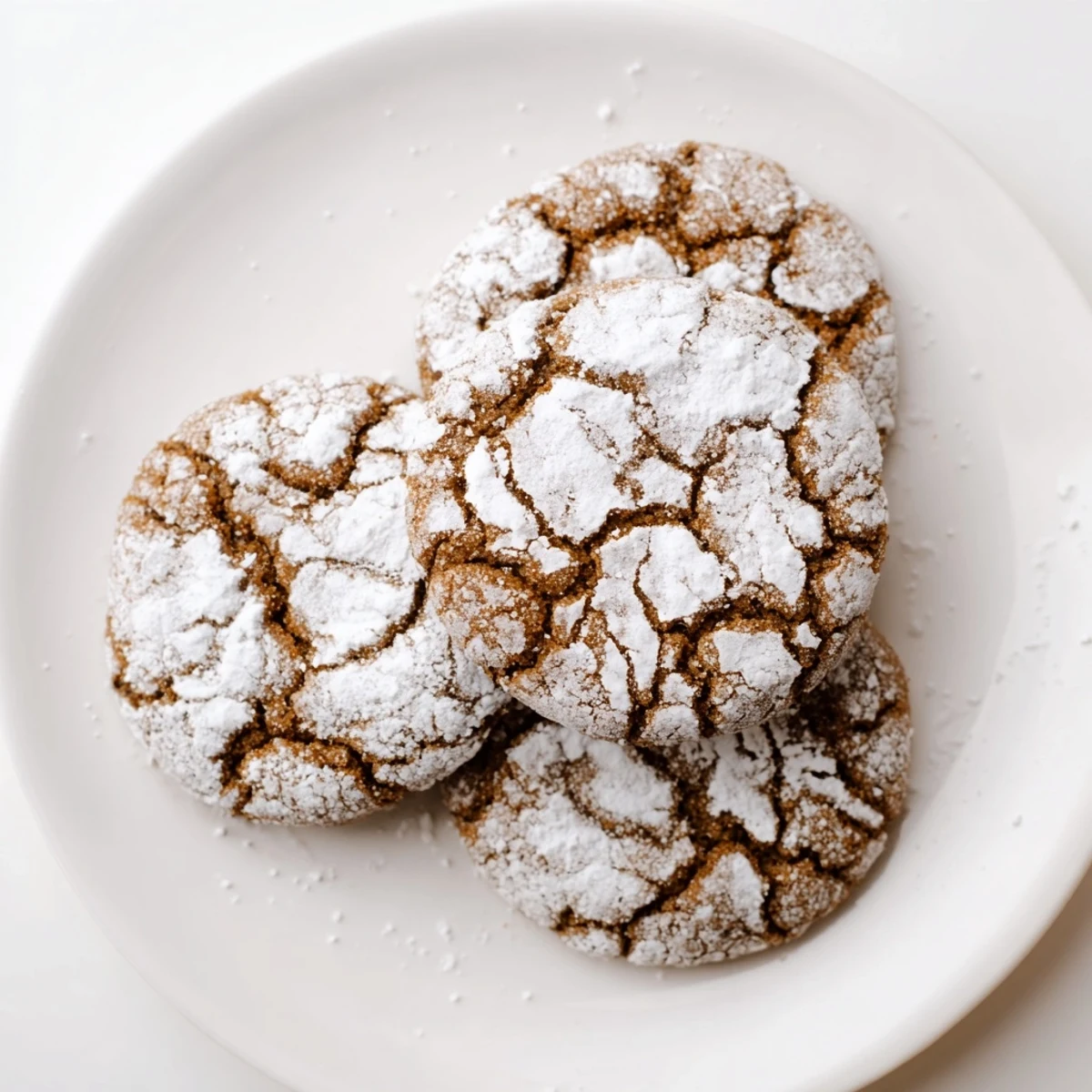
The key is rolling the dough balls generously in powdered sugar so the coating is thick and visible. As the cookies bake, they expand and the powdered sugar cracks apart, creating those signature fissures that show glimpses of the dark spiced cookie underneath. Underbaking by just a minute also keeps them incredibly soft.
Serving Suggestions
These cookies pair beautifully with hot beverages, especially homemade hot cocoa or a strong cup of coffee. They also make excellent holiday gifts when stacked in clear bags tied with ribbon.
- Try adding a tiny pinch of black pepper to the dough for an unexpected warmth
- Dip half of each cooled cookie in melted white chocolate for extra festivity
- Store in an airtight container with a slice of bread to keep them soft longer
 Save
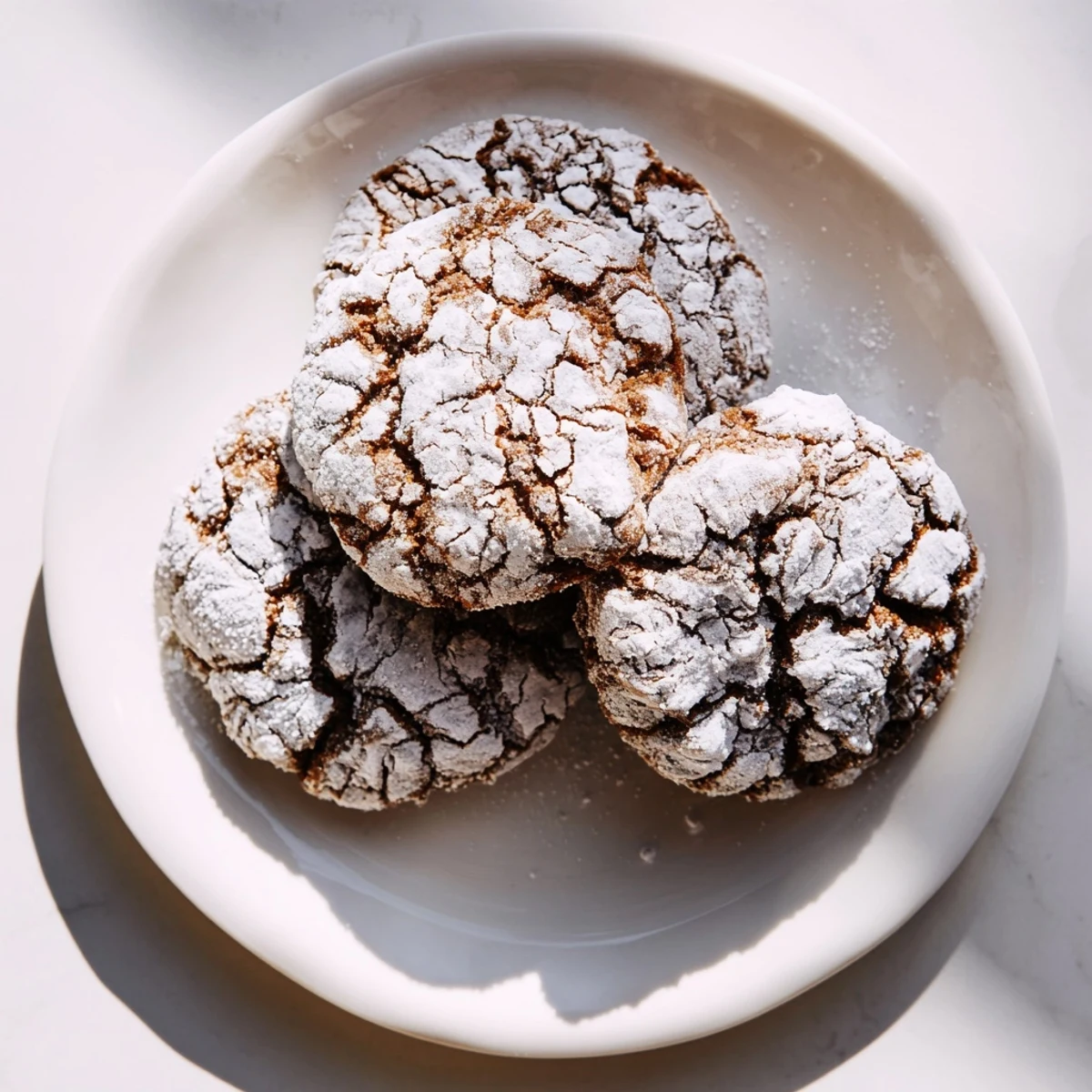
Save These gingerbread crinkle cookies have become my December tradition and I hope they find their way into your holiday kitchen too. Happy baking.
Recipe FAQs
- → Why do gingerbread crinkle cookies crack?
-
The crackled effect happens as the dough balls spread during baking. The powdered sugar coating creates a dry surface that splits apart, revealing the darker cookie underneath while creating those beautiful crinkles.
- → Can I skip the chilling time?
-
Chilling is essential for proper texture. The cold dough spreads slower in the oven, creating thicker cookies with better crinkles. Skip chilling and you'll get thin, flat cookies without the signature crackled appearance.
- → What makes these cookies chewy?
-
Brown sugar and molasses provide moisture and chewiness. Removing them from the oven while still slightly soft in the center ensures they stay tender. Overbaking will make them crisp rather than chewy.
- → Can I freeze the dough?
-
Yes, scoop the dough into balls and freeze on a baking sheet. Once frozen, transfer to a freezer bag. When ready to bake, roll in sugars and add 1-2 minutes to the baking time. No need to thaw first.
- → Why coat in both granulated and powdered sugar?
-
Granulated sugar helps the powdered sugar adhere better to the dough. The double coating creates a thicker snowy layer that contrasts beautifully with the dark spiced cookie underneath.
- → How should I store these cookies?
-
Store in an airtight container at room temperature for up to 5 days. Place parchment paper between layers to prevent sticking. The powdered sugar may absorb over time, so roll in fresh sugar before serving if needed.