
 Save
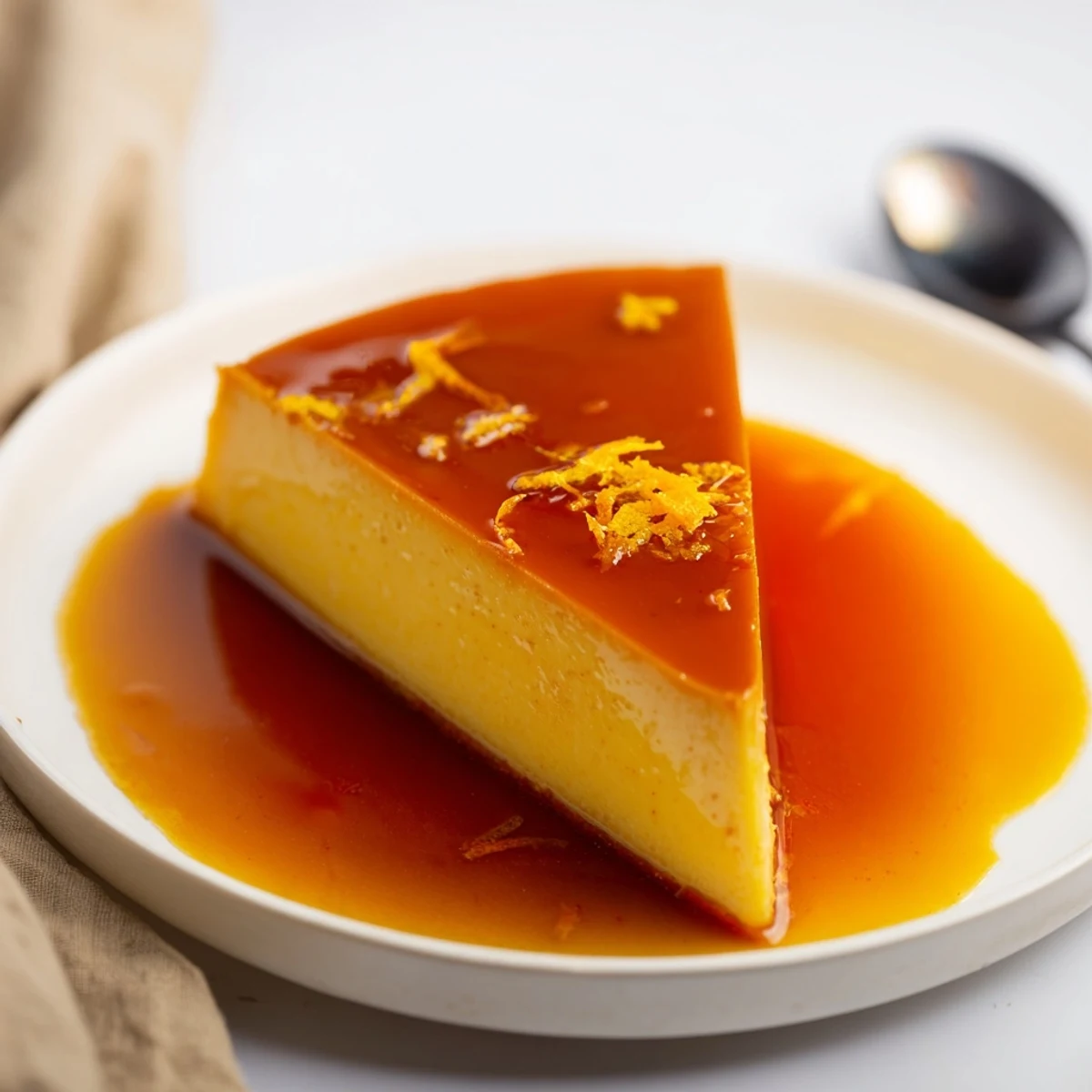
Save Flan Napolitano combines a silky custard of sweetened condensed, evaporated and whole milk with eggs and vanilla. A bottom caramel is cooked until amber, poured into a mold, then the custard is strained into it. Baked in a water bath until set, cooled and chilled to firm. Invert to release the caramel glaze and serve chilled with optional orange zest or berries.
The sound of caramel cracking against the side of a saucepan is one of those kitchen noises that stops you in your tracks, equal parts terrifying and thrilling. My tia Luz taught me that flan napolitano is not something you rush or halfheartedly assemble while distracted by your phone. She stood over the stove in her tiny Monterrey kitchen, wooden spoon held like a conductor's baton, and refused to let anyone speak until the amber color was exactly right. That discipline stuck with me, and now this custard is the dessert I reach for whenever I want to earn my place at a table.
I brought this flan to a friend's birthday dinner once, fully expecting her three kids to ignore it in favor of cake. One spoonful in and the youngest was guarding his plate with his forearm like a tiny linebacker, which remains one of the finest compliments any dessert of mine has ever received.
Ingredients
- Granulated sugar (1 cup/200 g): The foundation of your caramel, and worth using fresh sugar because old clumps can cause uneven browning.
- Water (1/4 cup/60 ml): Just enough to help the sugar melt evenly before it begins its transformation.
- Sweetened condensed milk (1 can, 14 oz/400 g): This is the backbone of the custard's richness, so do not skimp or substitute with a low-sugar version.
- Evaporated milk (1 can, 12 oz/355 ml): Adds creamy depth without making the custard overly sweet.
- Whole milk (1 cup/240 ml): Balances the density of the canned milks and keeps the texture velvety rather than heavy.
- Large eggs (4 whole plus 4 yolks): The extra yolks are what give flan napolitano its signature denser, silkier bite compared to a standard flan.
- Vanilla extract (1 tbsp): Use real extract if you can because the flavor carries through the chilled custard beautifully.
- Salt (1/4 tsp): A small pinch that wakes up every other ingredient.
- Orange zest (from 1 orange, optional): My secret weapon for lifting the whole dessert out of pure sweetness and into something more complex.
Instructions
- Preheat and prepare:
- Set your oven to 350°F (180°C) and make sure the rack sits in the center position so the flan bakes evenly.
- Make the caramel:
- Combine sugar and water in a heavy saucepan over medium heat and resist every urge to stir, just gently swirl the pan. Once the mixture turns a deep golden amber after about 7 to 9 minutes, pour it immediately into your baking dish and tilt to coat the bottom before it hardens.
- Build the custard:
- In a large bowl, whisk the whole eggs, yolks, and salt until just combined, then pour in all three milks along with the vanilla and orange zest. Whisk gently until everything is smooth and unified, avoiding aggressive beating that introduces too much air.
- Strain and pour:
- Pour the custard through a fine-mesh sieve into the caramel-lined dish, pressing through any bits of zest or egg that try to stay behind. This extra step is what gives you that cloud-smooth finish on the plate.
- Set up the water bath:
- Place the flan dish inside a larger roasting pan and carefully pour hot water into the roasting pan until it reaches halfway up the sides of the flan dish.
- Bake with patience:
- Slide the whole setup into the oven and bake for 60 minutes, checking near the end that the center barely jiggles like gelatin when you tap the dish.
- Chill thoroughly:
- Remove the flan from the water bath and let it cool to room temperature before refrigerating for at least 3 hours so the custard fully sets and the caramel relaxes into a syrup.
- Unmold with confidence:
- Run a thin knife around the edge of the dish, place a large serving plate on top, and flip in one swift motion, giving the dish a gentle shake until you feel the flan release.
 Save
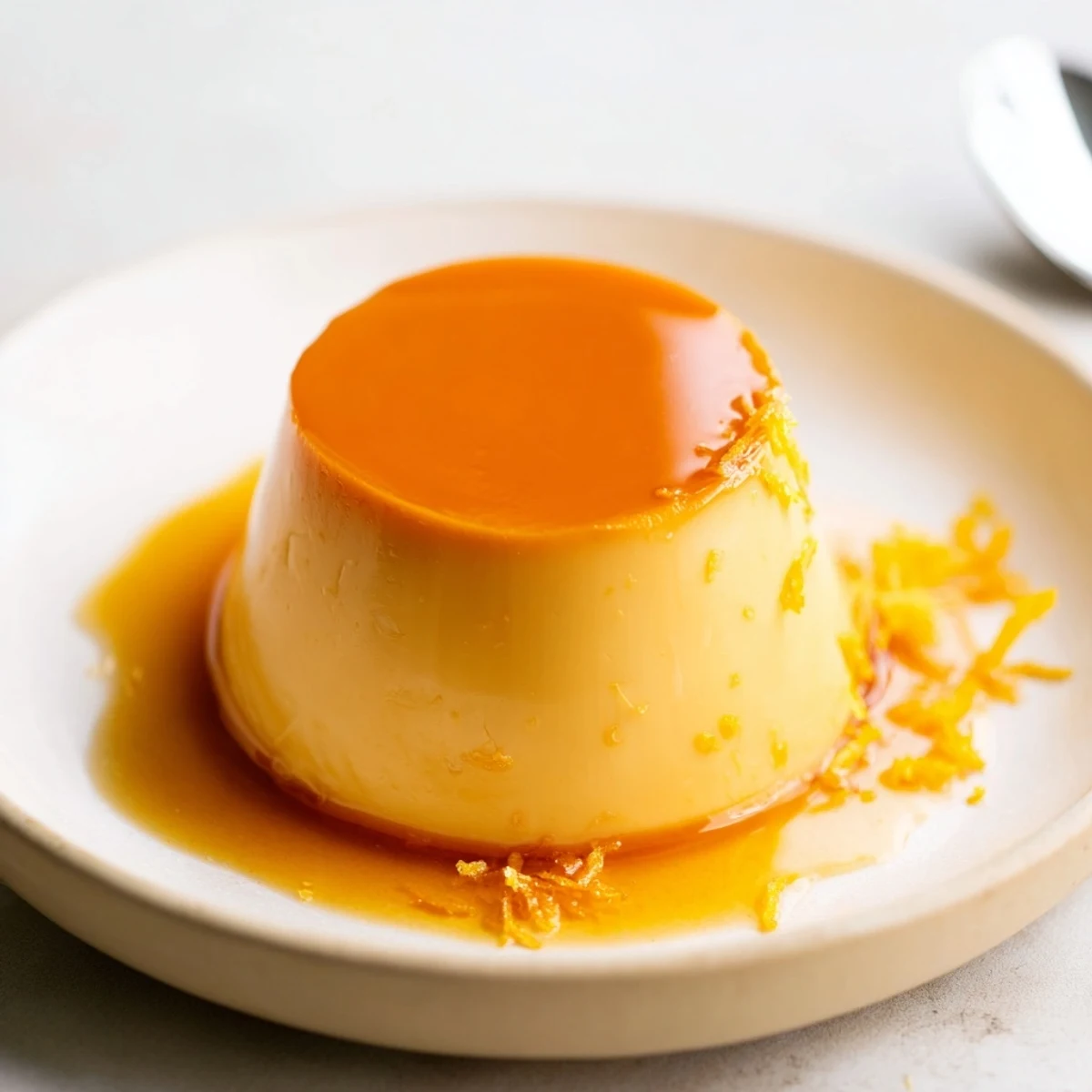
Save The moment the flan releases from the mold and that golden caramel cascades over the edges onto the plate is pure kitchen magic that never gets old.
Choosing the Right Mold Matters
A traditional flan mold with a lid is lovely but a plain 9-inch round baking dish works perfectly fine, and I have even used a deep pie plate in a pinch. The key is making sure whatever you use has sides at least two inches tall so the custard has room to rise slightly during baking without spilling into the water bath.
Serving Suggestions Worth Trying
Strong black coffee or a glass of Moscato alongside a slice of this flan creates a pairing that turns a casual Tuesday dessert into something that feels deliberate and special. A handful of fresh berries or a scatter of toasted coconut on top adds color and a pleasant contrast to all that creamy richness without overpowering the custard itself.
Making It Ahead and Storing Leftovers
This is one of the best make-ahead desserts in my rotation because it actually improves after a night in the fridge as the caramel seeps deeper into the custard. Leftovers keep well covered in the refrigerator for up to three days, though honestly in my house a full flan rarely survives past day two.
- Cover the flan tightly with plastic wrap once it is fully chilled to prevent it from absorbing refrigerator odors.
- If the caramel has thickened too much after chilling, briefly warm the bottom of the dish in a shallow pan of hot water to loosen it before unmolding.
- Always unmold onto a rimmed serving plate because that caramel pool will spread further than you expect.
 Save
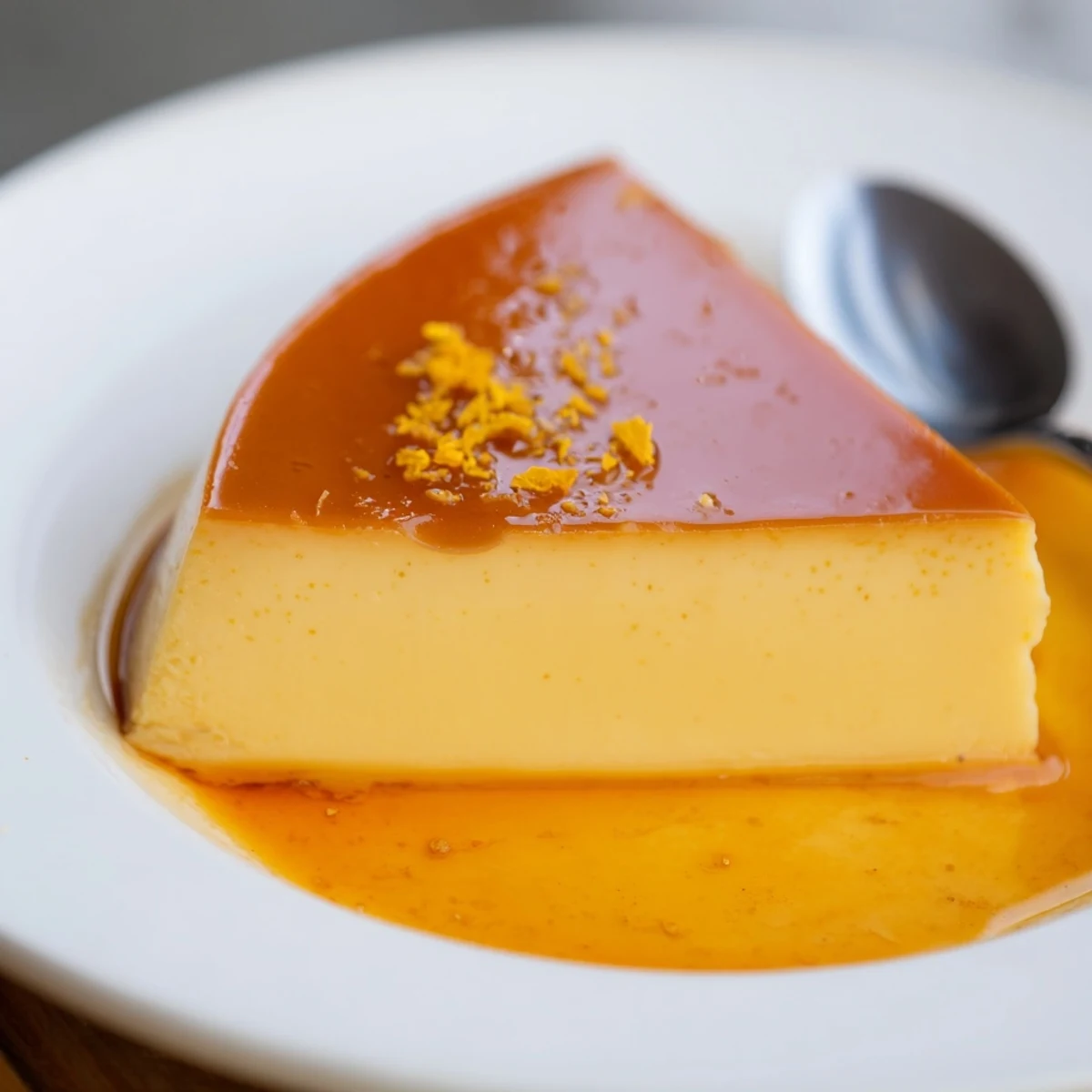
Save Every time I make this flan I think of my tia's kitchen and how she never measured anything, yet somehow every flan emerged flawless and trembling on the plate, and I hope this recipe brings that same quiet confidence to your table.
Recipe FAQs
- → How do I achieve the silkiest texture?
-
Whisk eggs gently, combine fully with the milks and vanilla, then pass the mixture through a fine sieve to remove any foam or bits. Bake in a bain-marie and avoid overbaking—the center should still jiggle slightly. Thorough chilling overnight firms the custard and improves the mouthfeel.
- → What’s the best technique for caramel?
-
Use sugar and a little water over medium heat without stirring—swirl the pan if needed. Watch closely for an even golden-amber color and remove from heat immediately to prevent bitterness. Pour hot caramel into the mold and tilt to coat the bottom before it hardens.
- → Can I substitute the milks?
-
Half-and-half can replace whole milk for extra richness. Using plant-based milks or skipping condensed/evaporated milks will alter sweetness and texture; if using alternatives, expect a softer set and adjust sweetness and thickening accordingly.
- → How can I tell when it’s done baking?
-
The flan is ready when the edges are set and the center barely jiggles when the dish is gently tapped. A toothpick will come out mostly clean with a slight coating; carryover heat and chilling will finish the set without drying the custard.
- → Is it possible to make this ahead of time?
-
Yes—once baked and cooled to room temperature, refrigerate for at least 3 hours or overnight. Cover tightly to prevent odours. Unmold just before serving for best presentation; chilled flan holds well for 2–3 days.
- → What’s the cleanest way to unmold without breaking?
-
Run a thin knife around the edge to loosen, place a serving plate on top and quickly invert. If the caramel resists, dip the bottom of the mold briefly in warm water to loosen the glaze, then flip to release a smooth, glossy surface.