
 Save
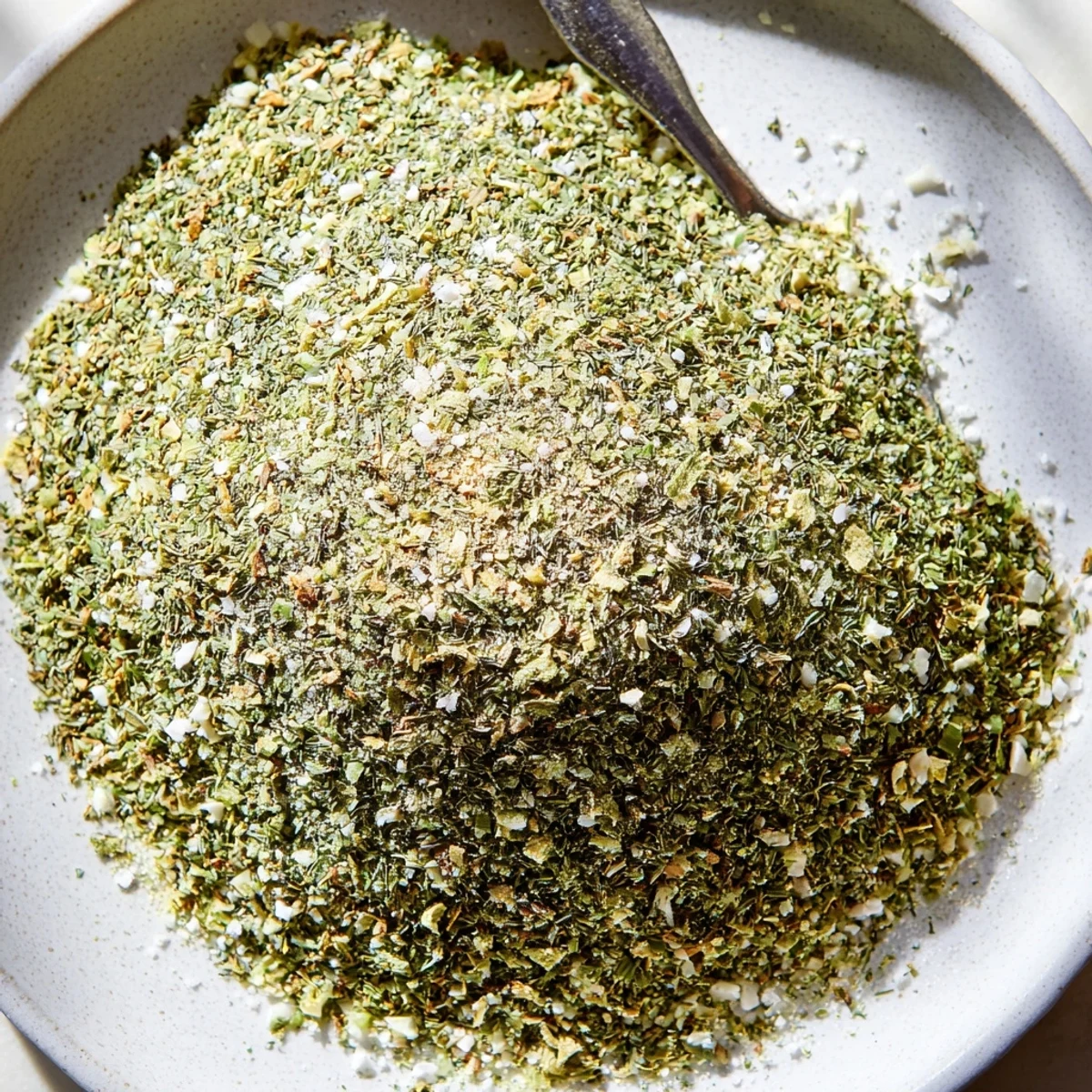
Save This dehydrated tzatziki seasoning combines dried dill, mint, parsley, chives, garlic granules, onion powder, lemon zest and optional cucumber powder for authentic tang. Whisk together in minutes and store in an airtight jar up to six months. Use 1–2 tablespoons stirred into Greek yogurt or sour cream, or sprinkle on roasted vegetables, chicken or seafood; adjust salt and citric acid to taste.
My spice cabinet was a disaster the afternoon I knocked three jars into the sink while reaching for dried dill, and that chaotic clatter of glass on porcelain somehow became the birth of my favorite seasoning blend. I had been trying to recreate the tzatziki I tasted at a tiny taverna in Chicago's Greektown, the one where the owner refused to tell me what made it so addictive. Standing there with herbs scattered across the counter, I realized I could just dry blend the whole thing and keep it in a jar ready for anything.
I brought a jar of this to my neighbor Elena during a heat wave last July when neither of us wanted to cook. We stirred it into cold yogurt with a drizzle of olive oil and sat on her porch eating it with stale pita chips, and she told me it was better than the version her yiayia used to make, which I choose to believe was the heat talking but I accepted the compliment anyway.
Ingredients
- Dried dill (3 tbsp): The soul of tzatziki, so do not skimp here and make sure your dill is still fragrant, not dusty and faded.
- Dried mint (2 tbsp): Adds the cooling brightness that balances the garlic, and rubbing it between your fingers before adding releases oils you did not know were still there.
- Dried parsley (2 tbsp): A quiet background player that keeps the blend tasting fresh and green rather than flat.
- Dried chives (1 tbsp): Gentle onion flavor without the bite, and it dissolves beautifully into yogurt.
- Dried garlic granules (1 tbsp): Granules work better than powder here because they rehydrate evenly when mixed into something wet.
- Dried onion powder (1 tbsp): Rounds out the savory base and makes everything taste more complete.
- Sea salt (1 1/2 tsp): Just enough to wake up the herbs without making the blend too salty when you use a generous spoonful.
- Ground black pepper (1 tsp): Freshly ground makes a real difference, so crack your own if you can.
- Dried lemon zest or citric acid (1 tsp): This is what makes people close their eyes and say oh that is good, that sharp little tang that ties everything together.
- Dried cucumber powder (1/2 tsp, optional): Hard to find but worth tracking down online because it adds an authentic cucumber note that surprises people in the best way.
Instructions
- Gather and measure:
- Pull out all your dried herbs and spices at once so nothing gets forgotten, and measure carefully into a medium mixing bowl because ratios matter more than you think in a dry blend.
- Whisk everything together:
- Use a whisk or fork to blend thoroughly, taking an extra thirty seconds to really work through any clumps in the garlic or onion powder until the color is even throughout.
- Transfer to a jar:
- Pour the blend into an airtight spice jar or glass container with a tight lid, and give it a gentle shake to settle everything evenly.
- Start using it immediately:
- Stir one or two tablespoons into Greek yogurt with a splash of olive oil for instant dip, or shower it over grilled vegetables, chicken, or fish straight from the jar.
 Save
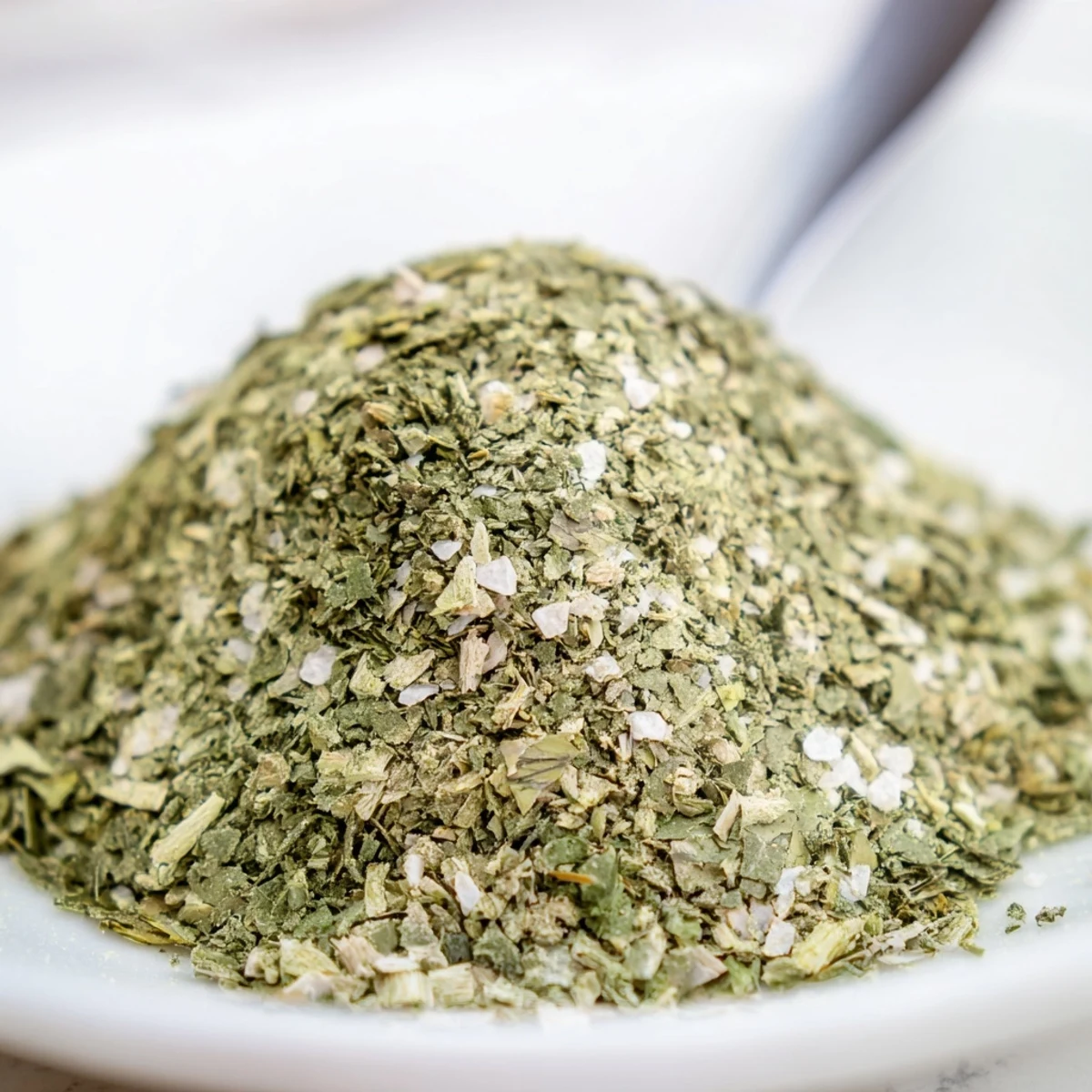
Save There is something deeply satisfying about filling a glass jar with a blend you mixed yourself, tapping the lid on, and knowing you have a shortcut to something delicious sitting right there in the cupboard.
How I Use It Beyond Yogurt
I sprinkle this over buttered roast potatoes before they go into the oven, and the herbs crisp up into something that makes people ask what you put on those. It also works rubbed onto lamb chops with a little olive oil thirty minutes before grilling, and I have tossed it with hot pasta and feta for a lazy dinner that tastes like effort.
A Note On Sourcing
Not all dried herbs are created equal, and the stuff sitting in the back of your pantry for two years is not going to give you the bright punchy flavor this blend deserves. Buy small quantities from a store with good turnover, and the dried cucumber powder can usually be found online from specialty spice shops if your local grocery does not carry it.
What People Always Ask Me
Everyone wants to know if they can use fresh herbs instead, and the honest answer is that fresh herbs contain moisture that will change the texture and shelf life completely, so this is one case where dried is genuinely better.
- For a tangier blend, bump the lemon zest or citric acid up by another half teaspoon and taste as you go.
- Mixed into plain hummus it turns into something that disappears at parties within ten minutes.
- Always check your herb and spice labels for allergen cross-contamination if you are cooking for someone with sensitivities.
 Save
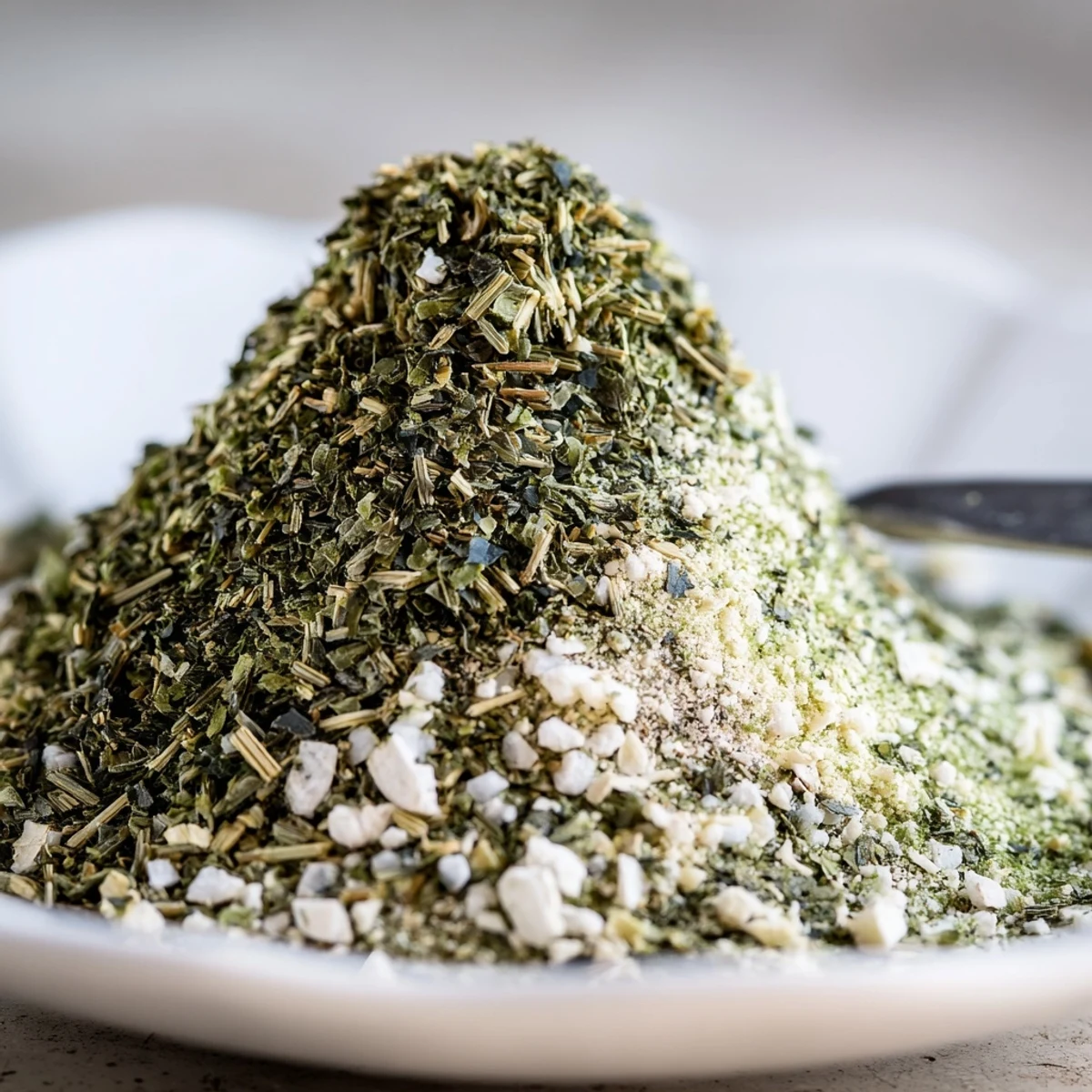
Save Keep a jar next to your stove and you will find yourself reaching for it more often than you ever planned, which is really the highest compliment a seasoning blend can receive.
Recipe FAQs
- → How do I use the seasoning with yogurt?
-
Stir 1–2 tablespoons of the mix into Greek yogurt or sour cream with a splash of olive oil. Let sit 10–15 minutes for flavors to bloom before serving.
- → Can I skip the cucumber powder?
-
Yes. Dried cucumber powder adds authentic freshness, but omitting it still yields a bright, herb-forward blend. Add a bit more lemon zest or citric acid for tang if desired.
- → How long does the blend keep?
-
Stored in a cool, dry, airtight container, the mix stays flavorful for up to six months. Keep away from heat and humidity to preserve aroma.
- → Is this blend suitable for marinades?
-
Absolutely. Mix with olive oil and lemon juice or vinegar for a quick marinade for chicken, fish or vegetables; allow 30 minutes to several hours to marinate depending on the protein.
- → How should I adjust salt and acidity?
-
Taste as you go: add more sea salt for seasoning, and increase citric acid or dried lemon zest for brighter acidity. Start with small increments to avoid overpowering the herbs.
- → Are there good substitutes for dried herbs?
-
If fresh herbs are preferred, use roughly three times the volume of fresh dill or mint in place of dried, and reduce overall salt since fresh herbs are milder when raw.