
 Save
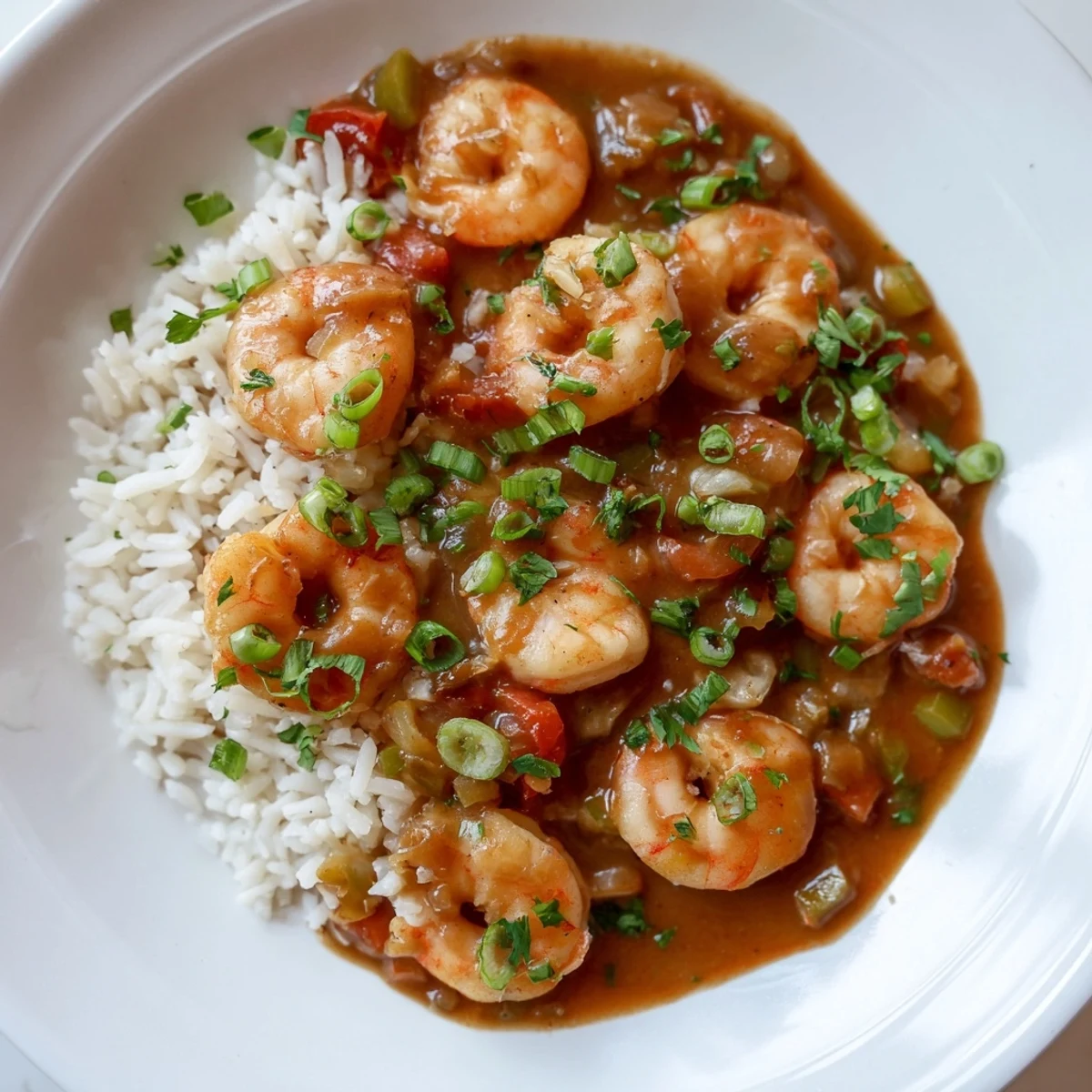
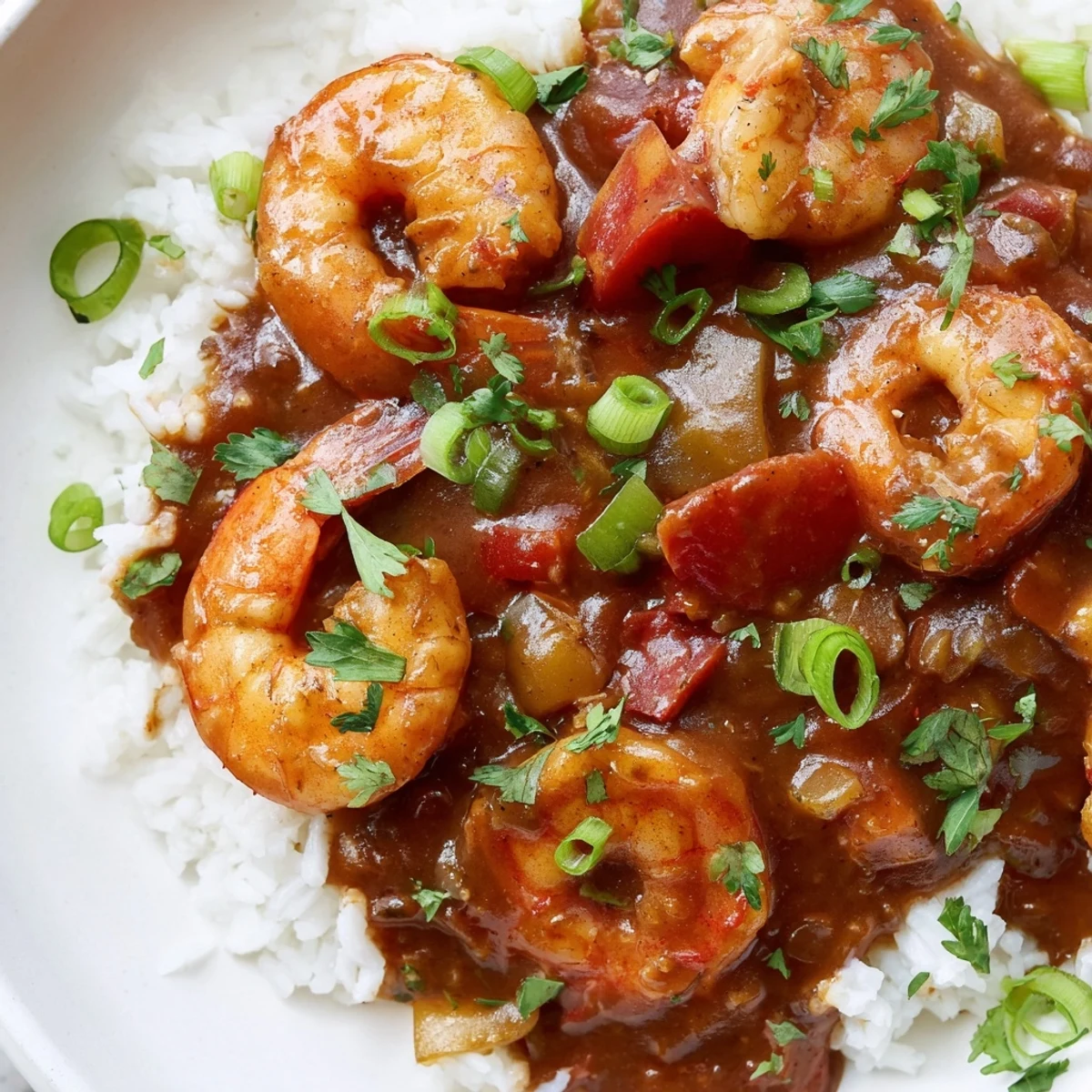
Save This classic Creole dish features succulent shrimp simmered in a savory, aromatic sauce made with the holy trinity of onions, bell peppers, and celery. A light roux builds depth, while tomatoes, stock, and warm spices create an authentic flavor profile.
The shrimp cooks gently for just minutes, staying tender and perfectly pink. Fresh lemon juice and parsley brighten the rich sauce at the end. Serve generously over fluffy steamed rice for an impressive 1-hour main course that serves four.
The aroma of sautéed onions, peppers, and celery always transports me back to that summer I spent in Louisiana with my grandmother. She taught me this shrimp étouffée recipe on a sweltering afternoon, windows open to catch the breeze while she explained how the trinity of vegetables forms the backbone of Creole cooking. Her hands moved with such confidence, measuring spices by feel rather than with spoons.
Last Mardi Gras, I made this étouffée for friends who had never experienced proper Creole cuisine. The kitchen fell silent when they took their first bites, then erupted in appreciative murmurs and demands for the recipe. Even my friend who typically avoids seafood couldn't resist going back for seconds, scooping up extra sauce with pieces of bread.
Ingredients
- Trinity Mix (Onion, Bell Pepper, Celery): Take your time chopping these ingredients uniformly so they cook at the same rate, creating that authentic Creole foundation.
- Large Shrimp: I've learned that keeping the tails on a few shrimp adds extra flavor to the sauce, though I remove most for easier eating.
- All-purpose Flour: When cooking with the vegetables to make the roux, watch carefully as it turns a light peanut butter color for the perfect thickness without tasting raw.
- Creole Seasoning: A little goes a long way in building that signature flavor profile, but feel free to adjust to your preference for heat and spice.
Instructions
- Perfect Your Rice First:
- Rinse the rice until the water runs clear to remove excess starch. When it's cooking, resist the urge to peek under the lid, which releases the essential steam needed for fluffy grains.
- Build Your Flavor Base:
- As you sauté the trinity, listen for that gentle sizzle that tells you the vegetables are releasing their moisture. The aroma will shift from sharp to sweet as they soften.
- Create the Roux:
- Sprinkle flour over your sautéed vegetables and stir constantly to prevent any burning. You'll know it's ready when it smells slightly nutty and coats the vegetables evenly.
- Develop the Sauce:
- When adding your stock, pour slowly while stirring to ensure a smooth, lump-free sauce. The mixture should bubble gently as it thickens to a velvety consistency.
- Cook Shrimp With Care:
- Add your shrimp only when the sauce has developed its flavors. They'll turn from gray to pink in minutes, and cooking them too long will make them rubbery.
- Finish With Brightness:
- The lemon juice and fresh herbs added at the end aren't optional, they're crucial. This final touch cuts through the richness and wakes up all the flavors you've been developing.
 Save
Save One Christmas Eve, when our oven unexpectedly died mid-holiday preparations, I pivoted to this étouffée as our main dish. The kitchen disaster turned into a new tradition, with family members now requesting this dish specifically for our holiday gatherings, saying it feels more special than the usual ham or turkey.
Balancing the Heat
I've served this dish to both spice lovers and those with more sensitive palates by keeping the base recipe mild and offering a small dish of extra Creole seasoning or hot sauce on the side. This way, everyone can customize their own bowl, which has made this recipe versatile enough for any dinner party.
Making It Ahead
The flavor of étouffée actually improves after a day in the refrigerator, making it perfect for meal prep or entertaining. I often make the sauce component a day ahead, then gently reheat it and add the fresh shrimp just before serving, saving me time when guests arrive.
Serving Suggestions
While traditionally served over white rice, I've experimented with different bases that complement the rich sauce beautifully. The key is finding something that will soak up all that glorious flavor without competing with the delicate shrimp.
- A slice of buttered, toasted French bread on the side provides the perfect vehicle for sopping up extra sauce.
- For a lower-carb option, cauliflower rice works surprisingly well, especially when seasoned with a touch of butter and salt.
- Keep garnishes simple with just a sprinkle of fresh parsley and green onions, as anything more complex can overwhelm the carefully balanced flavors.
 Save
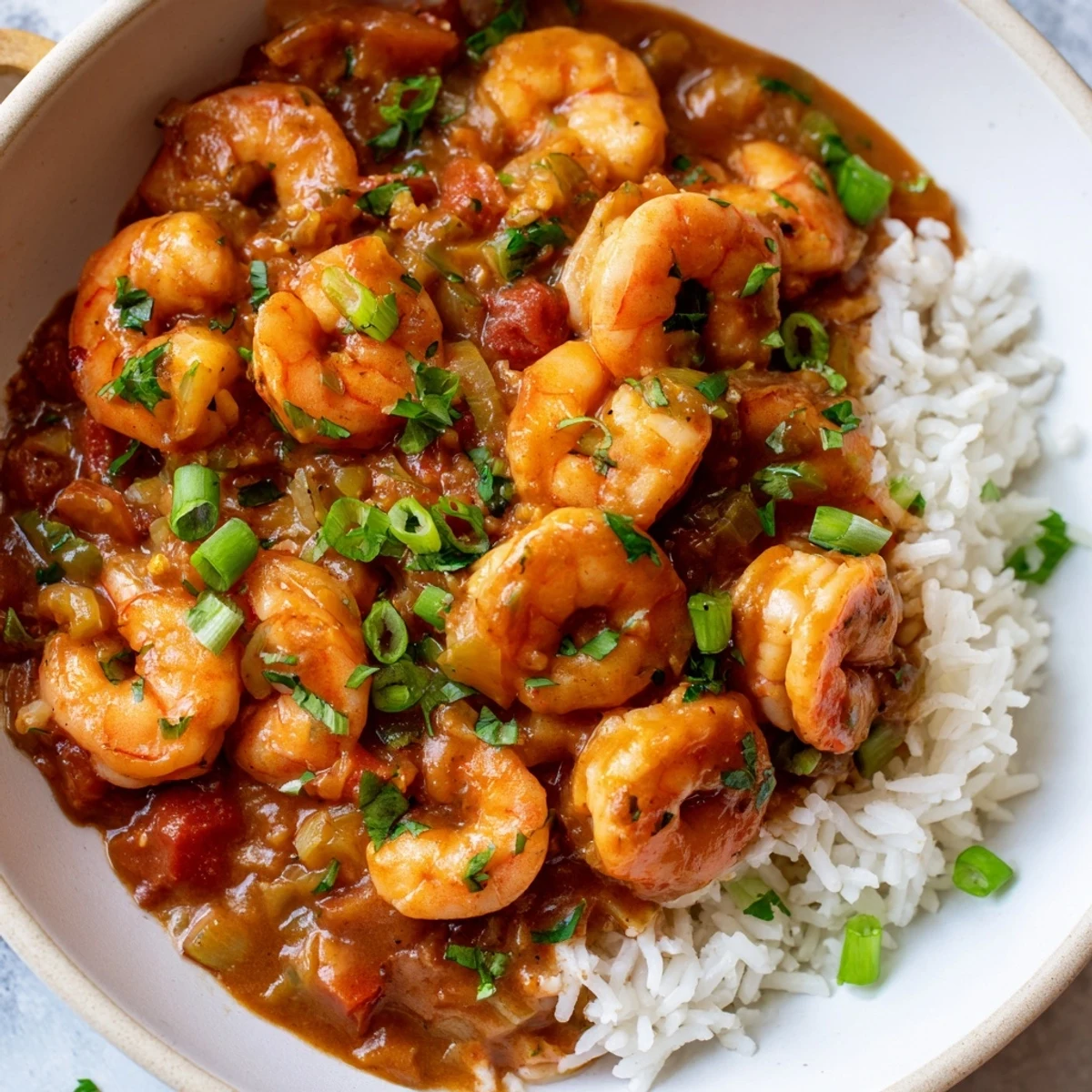
Save This étouffée has become more than just a recipe in my collection, it's a connection to culture, family, and friends. Every time I serve it, I'm sharing a piece of culinary history that continues to bring people together around my table.
Recipe FAQs
- → How do I ensure the shrimp stays tender?
-
Add the shrimp in the final 3-5 minutes of cooking, just until it turns pink and opaque. Overcooking makes shrimp tough and rubbery. Watch carefully during this short window.
- → What's the holy trinity in Creole cooking?
-
The holy trinity consists of onions, celery, and bell peppers sautéed together as the flavor foundation. This combination is essential to authentic Creole and Cajun cuisine and builds the aromatic base for the sauce.
- → Can I make this ahead of time?
-
Yes, prepare the sauce up to step 5 and refrigerate for up to 2 days. Reheat gently before adding the shrimp. Prepare the rice fresh just before serving for best texture and fluffiness.
- → How do I make a roux properly?
-
Cook equal parts fat and flour over medium heat, stirring constantly for 2 minutes. The flour should be fully incorporated and lose its raw taste without browning. This light roux thickens the sauce and adds subtle flavor.
- → What can I substitute for shrimp?
-
Crawfish, crab, or firm white fish work beautifully. For a heartier option, try chicken breast or andouille sausage. Adjust cooking times based on the thickness of your protein choice.
- → How spicy is this dish?
-
The cayenne pepper is optional and adjustable to taste. Start with 1/4 teaspoon or omit entirely for mild heat. The Creole seasoning and smoked paprika provide warmth without intense spice.