
 Save
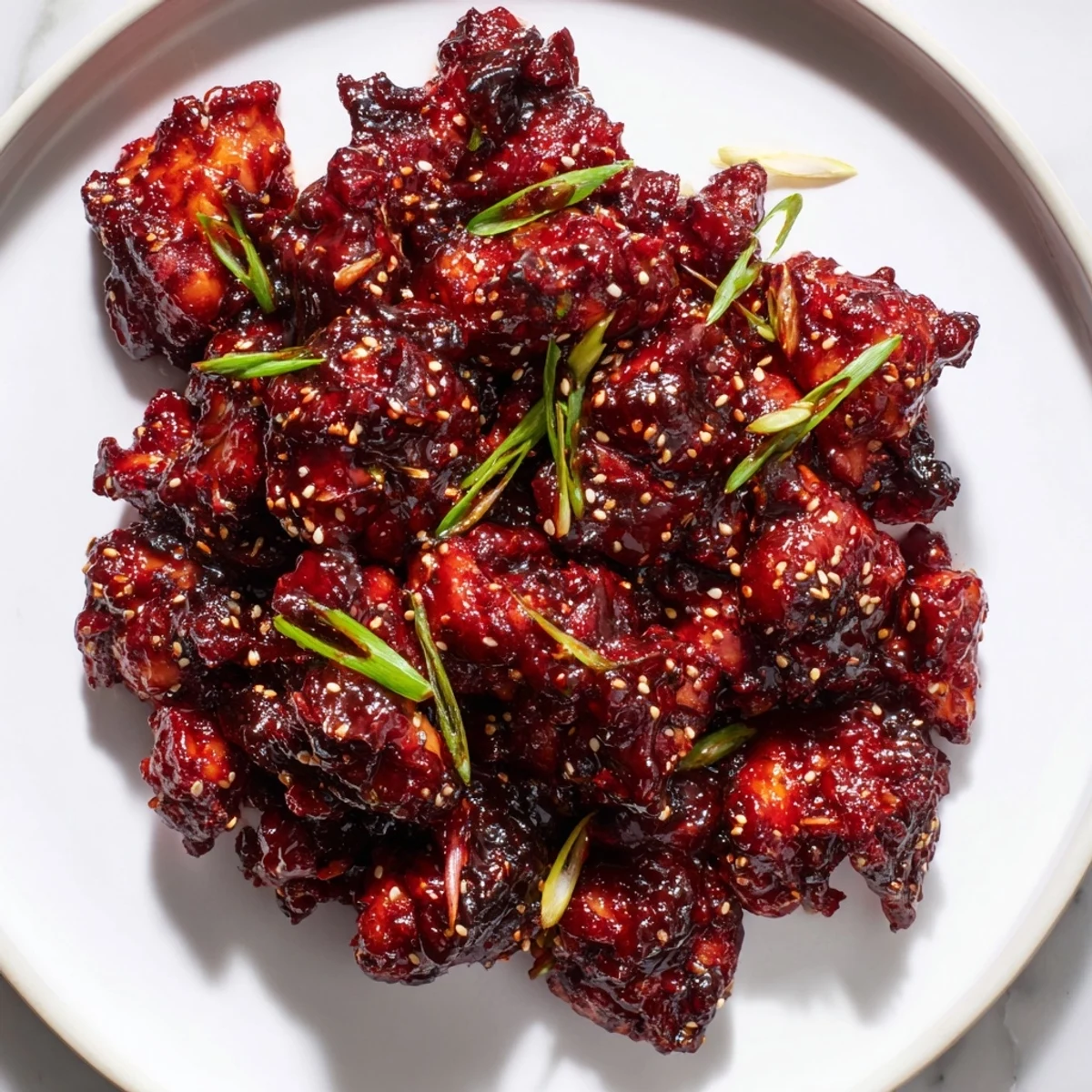
Save This Korean-inspired gochujang chicken brings together the bold, savory heat of fermented chili paste with honey, soy sauce, and sesame oil for an irresistible glaze.
Bite-sized chicken thighs marinate in a rich blend of gochujang, garlic, and ginger, then get pan-seared until perfectly caramelized.
Ready in just 40 minutes, it's a weeknight favorite that delivers restaurant-quality Korean flavors with minimal effort.
The sizzle of chicken hitting a screaming hot pan on a Tuesday evening is its own kind of therapy, and this gochujang chicken has been my weeknight anchor for over three years now. A friend left a tub of the red paste at my place after a barbecue, and I stared at it for a week before finally cracking it open. That first batch was aggressively spicy and slightly burned, but something about the sticky, caramelized edges had me hooked before the pan even cooled. I have been tweaking the balance ever since, and this version hits every note I crave.
My neighbor knocked on my door one night asking what smelled so good, and we ended up eating the entire batch standing in my kitchen with a pot of rice between us. She now texts me every few weeks hinting that it has been too long since the last batch.
Ingredients
- 700 g boneless, skinless chicken thighs: Thighs are the right call here because the fat renders into the sauce and keeps everything succulent, and cutting them into bite sized pieces means more surface area for caramelization.
- 3 tbsp gochujang: This fermented Korean chili paste is the backbone of the dish, providing heat, sweetness, and a deep umami punch that nothing else can replicate.
- 2 tbsp soy sauce: Adds salt and depth, and the fermented quality ties beautifully into the gochujang.
- 1 tbsp rice vinegar: A small amount of acidity lifts the whole marinade and prevents it from feeling heavy or cloying.
- 2 tbsp honey: Honey helps the chicken caramelize in the pan and rounds out the chili heat with a gentle floral sweetness.
- 2 cloves garlic, minced: Fresh garlic is nonnegotiable, and mincing it finely ensures it distributes evenly through the sauce.
- 1 tbsp ginger, grated: Grated ginger melts into the marinade and adds a warm, slightly citrusy spice that complements the chili paste.
- 1 tbsp sesame oil: Toasted sesame oil gives a nutty aroma that makes the whole kitchen smell like a Korean barbecue restaurant.
- Half tsp freshly ground black pepper: A quiet background heat that enhances without competing with the gochujang.
- 1 tbsp toasted sesame seeds: These add a delicate crunch and a visual finish that makes the dish look as good as it tastes.
- 2 green onions, thinly sliced: A fresh, sharp contrast sprinkled on at the end to cut through the richness.
Instructions
- Build the marinade:
- In a large bowl, whisk together the gochujang, soy sauce, rice vinegar, honey, minced garlic, grated ginger, sesame oil, and black pepper until you get a smooth, unified paste that smells deeply savory with a sweet edge.
- Coat the chicken:
- Add the chicken pieces to the bowl and toss them with your hands or tongs until every single piece is lacquered in the red marinade, then let it sit for at least 20 minutes so the flavors sink in.
- Cook until caramelized:
- Heat a large skillet over medium high heat and dump in the chicken along with any leftover marinade, then cook for 6 to 8 minutes per side until the pieces are fully cooked through and sticky dark edges form where the sauce has caramelized against the pan.
- Finish and serve:
- Take the pan off the heat, scatter sesame seeds and sliced green onions over the top, and serve immediately with steamed rice or crisp lettuce wraps.
 Save
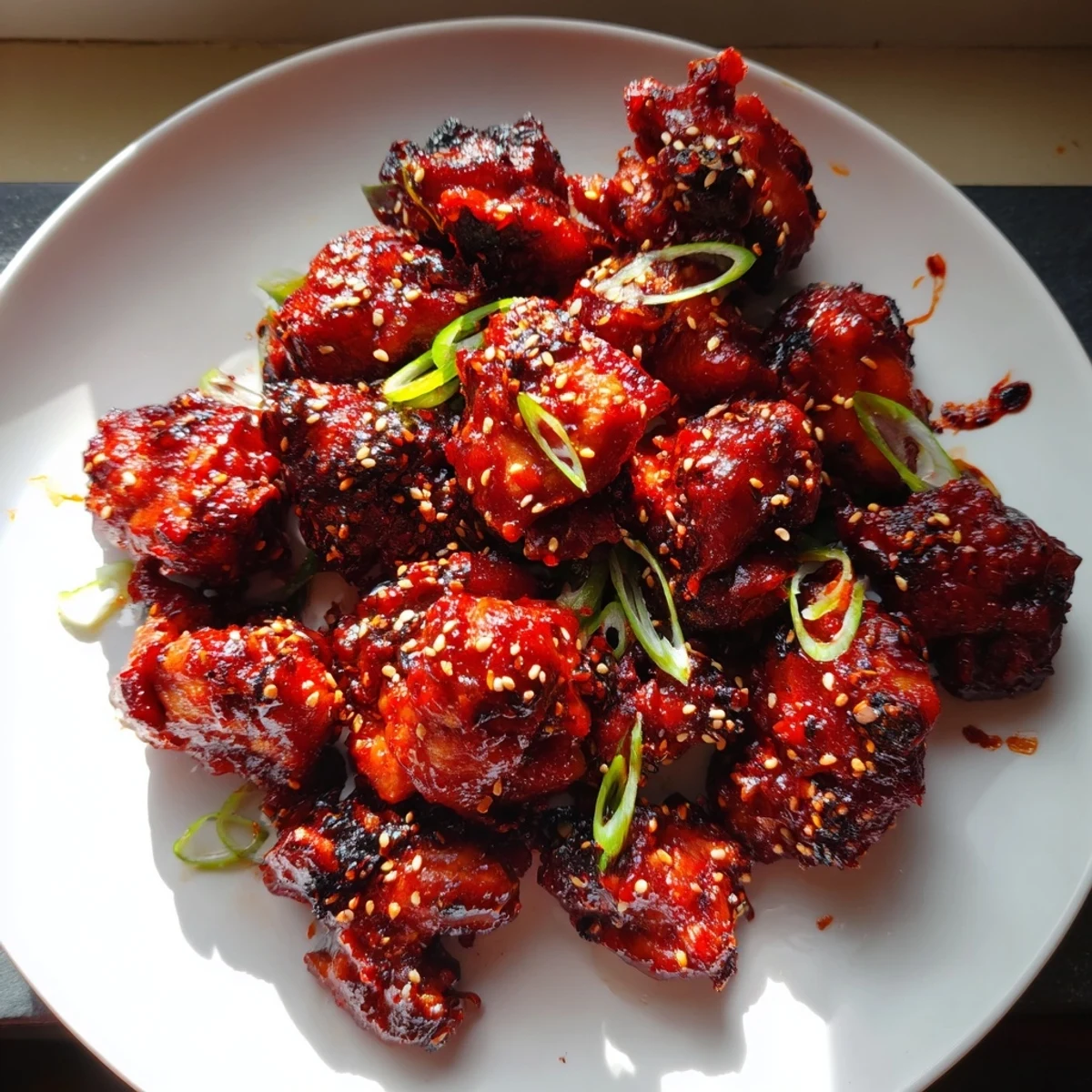
Save There was a rainy Saturday when I made this for a small dinner party and three people asked for the recipe before they even finished eating. That is the moment I knew this was not just a quick weeknight thing but something worth sharing widely.
What to Serve Alongside
Kimchi is the obvious and perfect partner here because its fermented tang cuts straight through the sticky sweetness of the chicken. Pickled radishes, a simple cucumber salad with sesame dressing, or a pile of quickly sauteed spinach with garlic all work just as well.
Making It Your Own
Swap chicken breasts for thighs if you prefer leaner meat, but pull them from the heat the second they are cooked through because they dry out fast. A teaspoon of gochugaru stirred into the marinade turns the heat dial up significantly for those who want real fire.
Storing and Reheating
Leftovers keep beautifully in the fridge for up to three days and actually taste better the next day when the sauce has had time to settle into every crevice of the chicken. Reheat gently in a skillet with a splash of water to loosen the caramelized bits from the bottom of the pan.
- Freeze portions in airtight containers for up to two months and thaw overnight in the fridge.
- Avoid microwaving on high because the sugars in the marinade will toughen the chicken.
- Always taste before serving leftovers because the heat level tends to intensify after a day in the fridge.
 Save
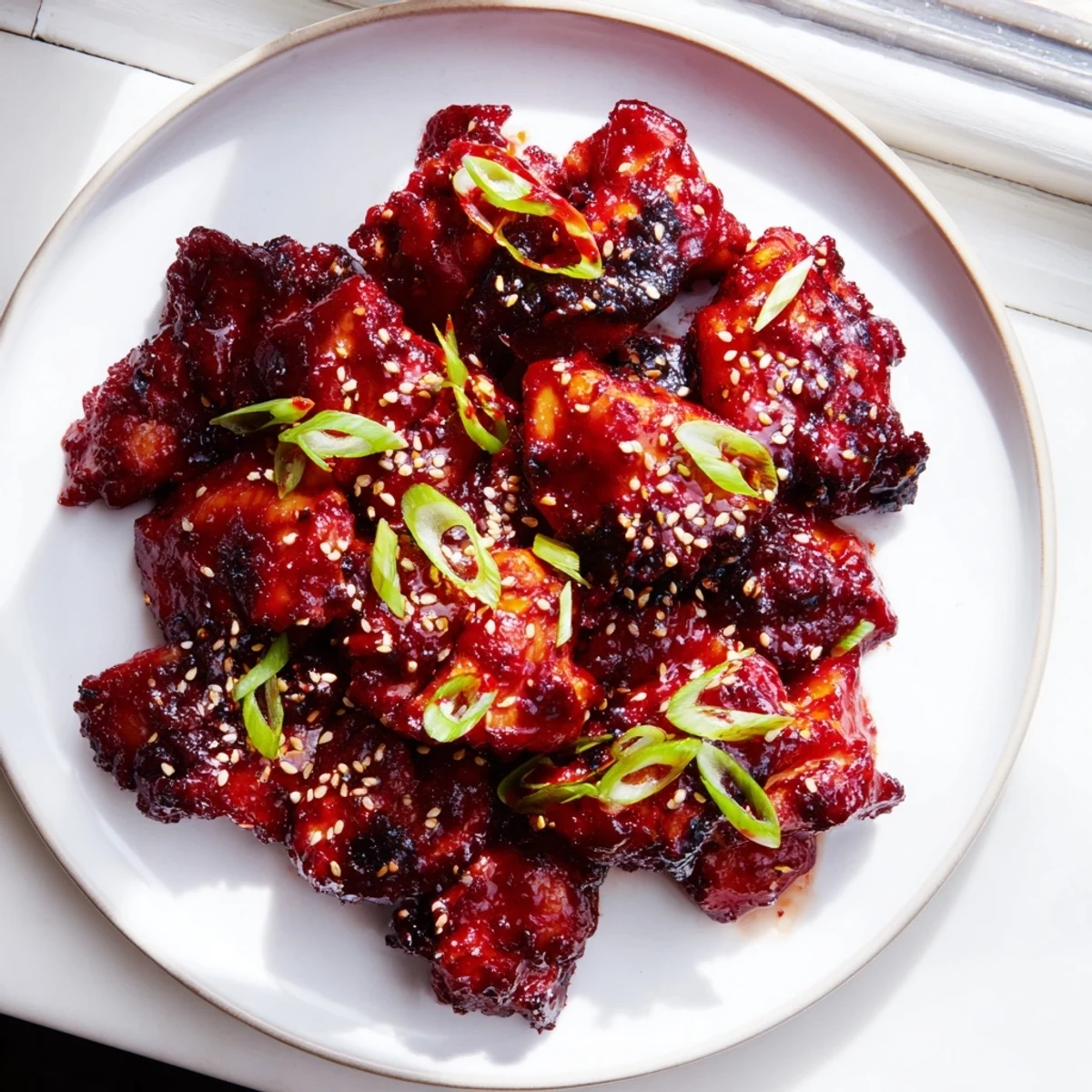
Save This dish has a way of turning an ordinary evening into something that feels a little more special, with almost no effort. Keep a tub of gochujang in your fridge and you are never more than half an hour away from a meal that tastes like you tried much harder than you did.
Recipe FAQs
- → What does gochujang taste like?
-
Gochujang is a fermented Korean chili paste with a complex flavor profile that balances spicy, sweet, and savory umami notes. Its thick, rich consistency makes it ideal for marinades and glazes.
- → Can I use chicken breast instead of thighs?
-
Yes, chicken breast works as a leaner alternative. Keep in mind that breasts cook faster and can dry out more easily, so reduce cooking time by 2-3 minutes per side and watch carefully to avoid overcooking.
- → How long should I marinate the chicken?
-
A minimum of 20 minutes is sufficient, but marinating for 1-2 hours in the refrigerator allows the gochujang, soy sauce, and garlic to penetrate deeper into the meat for more intense flavor.
- → What should I serve with gochujang chicken?
-
Steamed white rice is the classic pairing, soaking up the sweet and spicy glaze. You can also serve it with lettuce wraps, kimchi, pickled vegetables, or sautéed greens for a complete Korean-style meal.
- → Is gochujang chicken very spicy?
-
The heat level is moderate thanks to the honey balancing the chili paste. If you prefer extra heat, add a teaspoon of gochugaru (Korean red chili flakes) to the marinade. For milder palates, reduce the gochujang slightly and add more honey.
- → Where can I find gochujang?
-
Gochujang is available at most Asian grocery stores, many mainstream supermarkets in the international aisle, and online. Look for it in red tubs or squeeze bottles. It keeps well in the refrigerator for months after opening.