
 Save
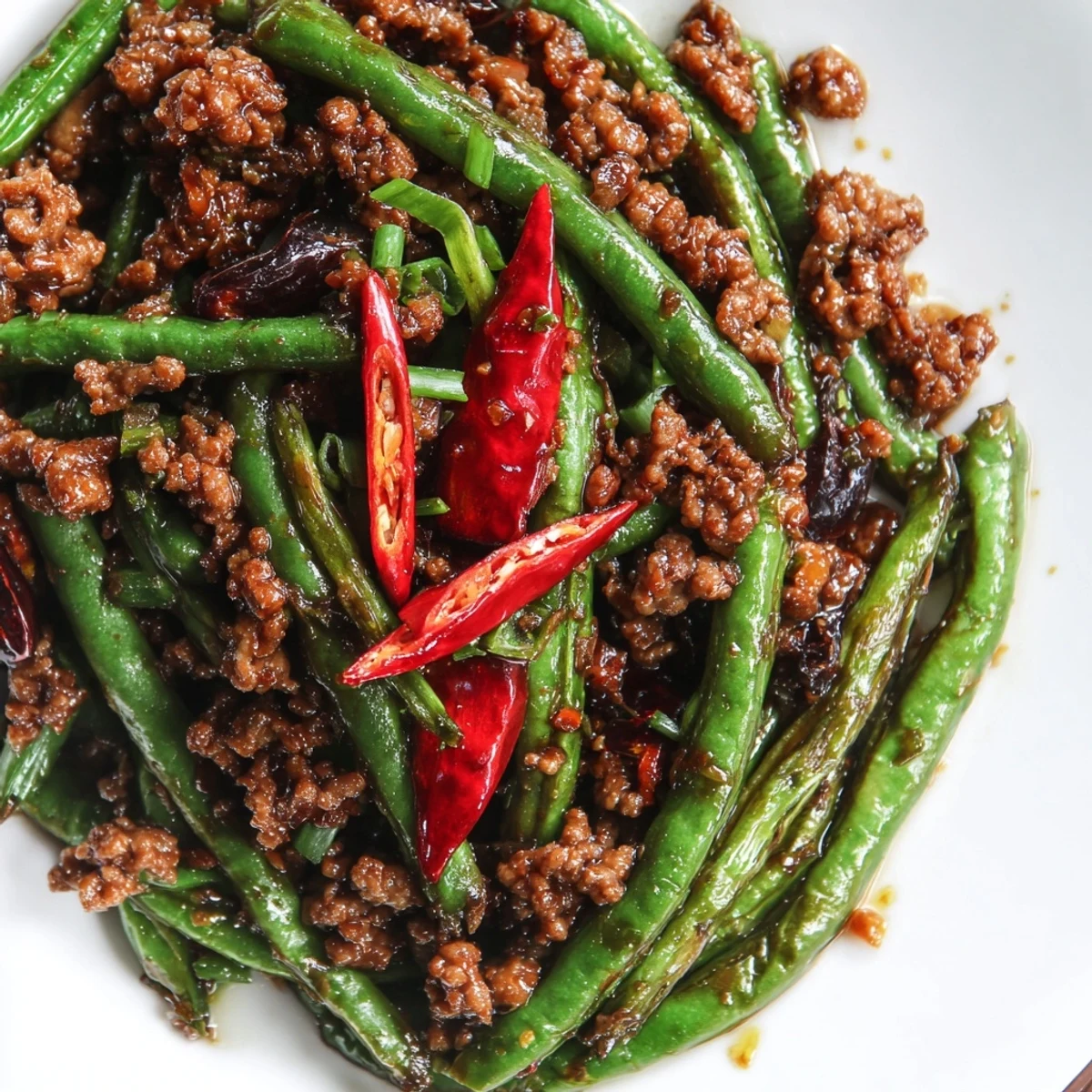
Save This dish features crisp green beans blanched to tender perfection, then stir-fried with browned minced beef and aromatic ingredients like garlic, ginger, and scallions. The bold Szechuan sauce, infused with chili bean paste, peppercorns, soy sauce, and Shaoxing wine, delivers a spicy warmth balanced by a touch of sweetness. It's a quick, flavorful main dish best served hot alongside steamed jasmine rice. Vegetarian options are also easy to adapt.
The first time I truly understood what heat meant in cooking was standing over a wok in my friend's kitchen, watching their mother toss green beans with such speed and confidence that I could barely follow her hands. She'd moved to the city just a few years before, and this Szechuan dish was her way of saying home tastes like this, sharp and alive and a little bit dangerous. That night, I learned that good food doesn't whisper; it announces itself the moment it hits your tongue.
I've made this for people who claimed they didn't like spicy food, and watched them reach for seconds with a confused look on their faces, as if their own mouth was betraying them. The numbing tingle from the Szechuan peppercorns does something different than regular heat, it sneaks up on you in a way that feels sophisticated rather than punishing. It's become my go-to dish when I want to feed someone something that tastes impressive but doesn't require me to pretend I'm a trained chef.
Ingredients
- Fresh green beans: Trimmed and blanched just until they turn bright green, they should still have a snap to them. I learned the hard way that overcooked green beans turn mushy and ruin the whole texture of the dish.
- Lean ground beef: The higher the fat content, the greasier this gets, so don't cheap out here. I use the leanest I can find.
- Szechuan peppercorns: Toast and lightly crush them yourself if you can, the aroma is completely different from pre-ground. This is where half the magic lives.
- Chili bean paste (Doubanjiang): This is the backbone of the sauce, savory and funky in the best way. Don't skip it thinking regular chili paste will do.
- Garlic, ginger, and scallions: The holy trinity for this kind of cooking, they're what makes your kitchen smell like someone who knows what they're doing.
- Shaoxing wine: If you can't find it, dry sherry works, but the Shaoxing adds a subtle sweetness that matters. I keep a bottle just for cooking this.
- Sesame oil: A small amount at the end transforms everything, trust me on this.
Instructions
- Set up your mise en place:
- Get everything chopped and measured before you turn on any heat. Once the wok gets going, there's no time to scramble for your ginger grater.
- Blanch the green beans:
- Boil salted water, drop in your trimmed beans for just 2 to 3 minutes until they're bright green and still have that slight firmness when you bite one. Ice bath them immediately so they stop cooking.
- Toast the peppercorns:
- Heat your wok or skillet on medium-high with a tablespoon of oil, add those crushed Szechuan peppercorns, and let them sit for about 30 seconds. Your nose will tell you when they're ready, the smell is unmistakable.
- Brown the beef:
- Add your ground beef to that fragrant oil and break it apart with a wooden spoon as it cooks, about 4 to 5 minutes. You want it fully cooked through with no pink hiding anywhere. Drain off any excess fat and set the beef aside on a plate.
- Build the flavor base:
- Add your remaining oil to the wok, then sauté the diced onion, minced garlic, grated ginger, and the white parts of your scallions for about 2 minutes until they're softened and the whole kitchen smells incredible. This is when you know you're on the right track.
- Add the chili bean paste:
- Stir it in and let it cook for just 1 minute, it'll deepen and become even more savory. This is where the umami really kicks in.
- Bring it all together:
- Return your cooked beef to the wok along with those blanched green beans and any sliced fresh chilies you're using. Stir-fry everything together for 2 to 3 minutes so the beans heat through and everything gets acquainted.
- Finish with the sauce:
- Pour in your soy sauce, rice vinegar, Shaoxing wine, sugar, and that precious sesame oil. Toss constantly for another minute or two until everything is coated and heated through, the sauce should cling to every piece of bean and meat.
- Serve immediately:
- Garnish with the scallion greens, serve over steamed jasmine rice, and watch people's faces light up with that first bite.
 Save
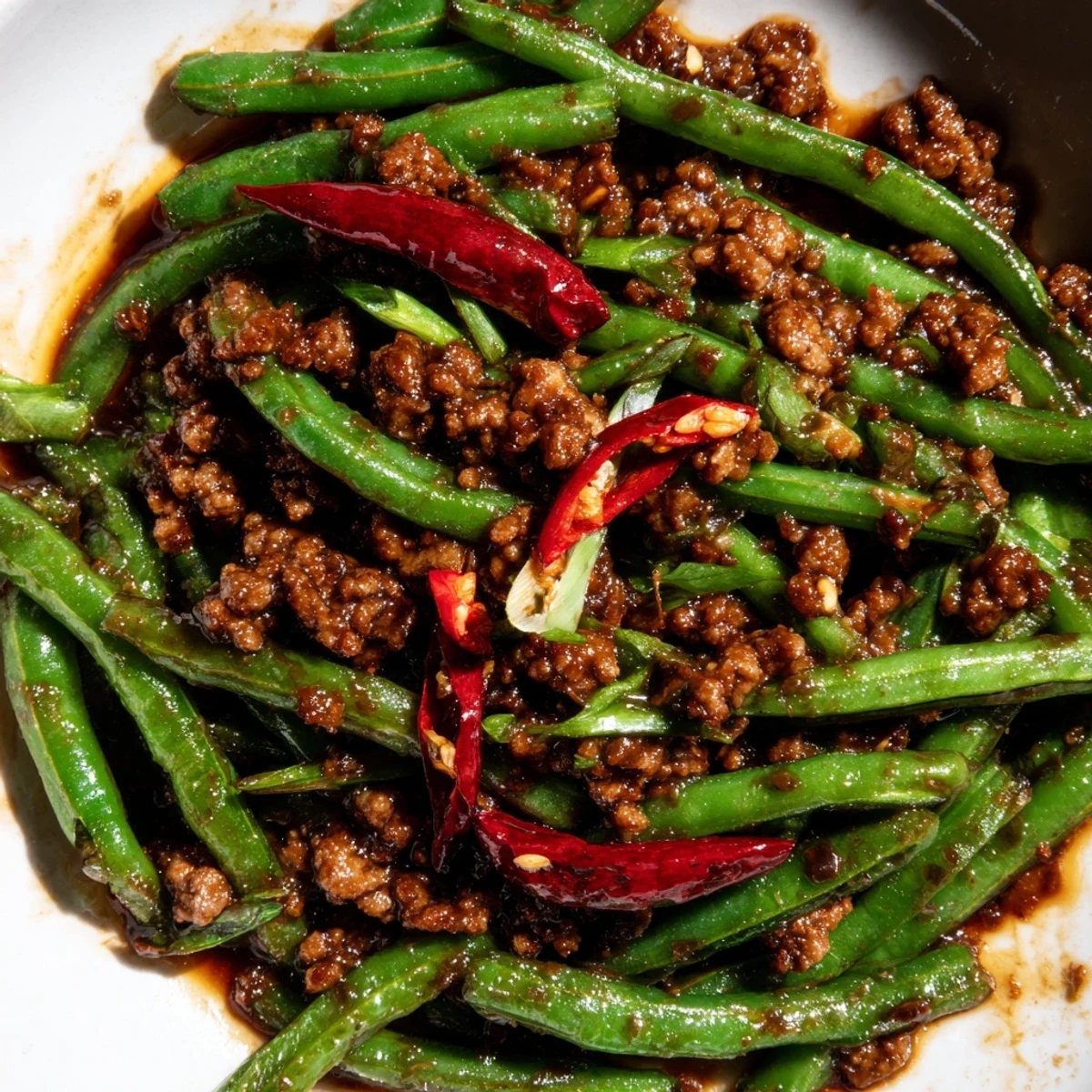
Save This dish became my weapon during a particularly difficult stretch of winter, the kind where everything feels gray and you forget what it feels like to be genuinely excited about dinner. That first spoonful woke something up in me, reminded me that food can do more than just fill your stomach. It can remind you that you're alive.
The Science of Szechuan Heat
Szechuan peppercorns aren't actually hot, they're electric. They contain a compound called hydroxy-alpha sanshool that triggers the same nerve receptors in your mouth that respond to light touch and around 50 degrees Fahrenheit, which is why it feels like your mouth is being gently vibrated. This numbing, tingling sensation is completely different from the burn of chili peppers, and once you understand that difference, you stop thinking of this dish as torture and start thinking of it as an experience. I've noticed that people who initially say they hate spicy food often love this because it doesn't feel aggressive the way pure heat does.
Customizing Your Heat Level
The beauty of this dish is that you can calibrate the fire to exactly what you want. Start with less Szechuan peppercorn and chili bean paste, taste as you go, and build up. I've learned that my tolerance on a cold Tuesday is completely different from my tolerance at a summer dinner with friends, and that's fine. The recipe works beautifully dialed down, and it also works if you want to push it until your lips are tingling for an hour after dinner.
Serving and Pairing Ideas
Jasmine rice is the obvious choice and for good reason, the floral notes play beautifully against all that heat and umami. But I've also made this with plain white rice, brown rice, or even served it over steamed bok choy for a lighter version. The sauce is so good that honestly, you could pour it over toast and people would probably eat it. If you're feeling fancy, a crisp Riesling or even a cold beer cuts through the heat perfectly.
- Leftovers reheat beautifully in a wok or even a microwave, and they somehow taste even better the next day.
- This pairs unexpectedly well with roasted or steamed bok choy if you want to add more vegetables.
- Make a vegetarian version by swapping the beef for finely chopped mushrooms or crumbled tofu for the same satisfaction.
 Save
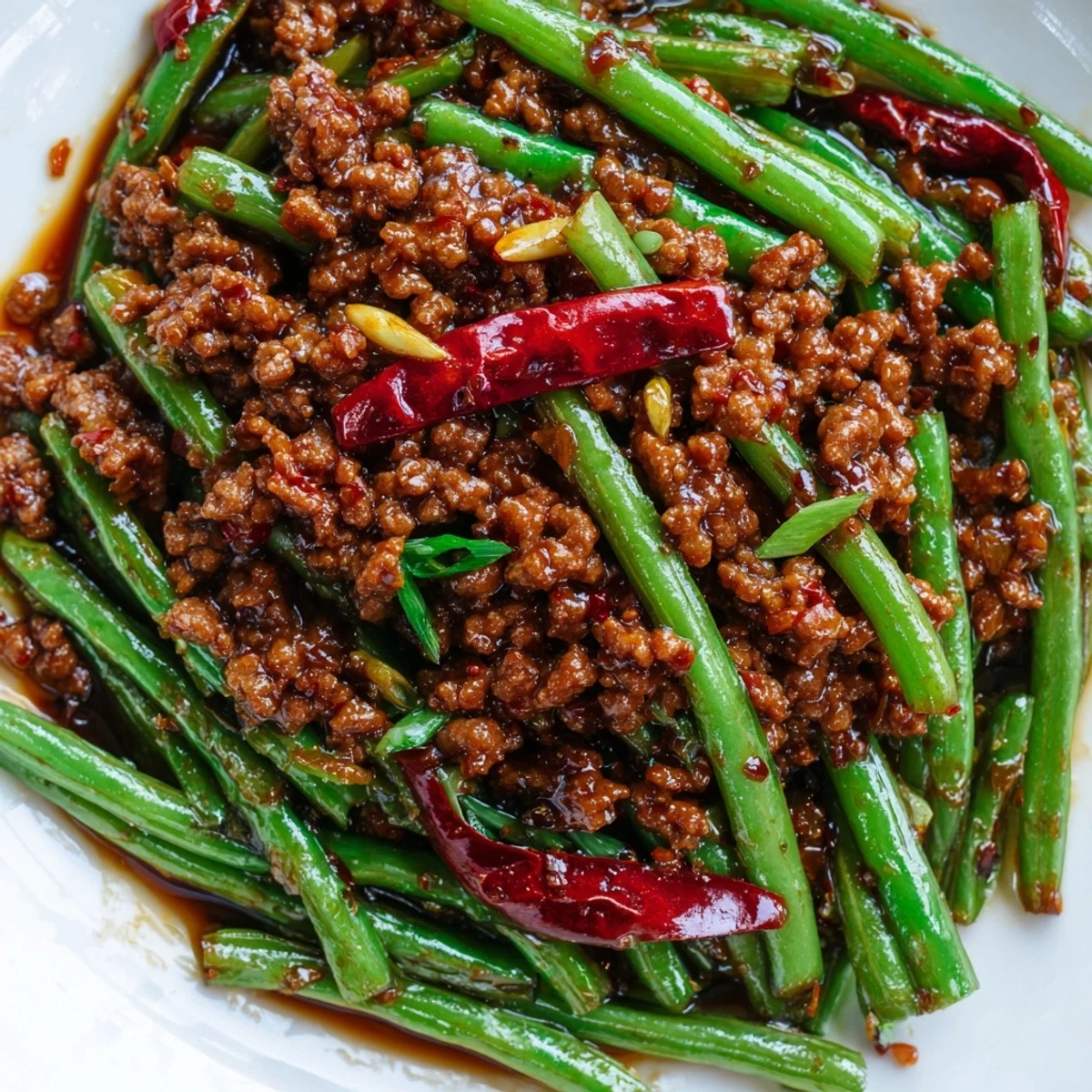
Save This is the kind of dish that makes you feel capable in the kitchen, even if you've never cooked Asian food before. The flavors are bold enough to hide small mistakes, and the results are impressive enough to make people think you've been doing this for years.
Recipe FAQs
- → How do I achieve the perfect crispness for green beans?
-
Blanch green beans in boiling salted water for 2-3 minutes, then rinse under cold water to stop cooking and retain their bright color and crisp texture.
- → Can I adjust the spiciness in this dish?
-
Yes, vary the amount of fresh red chilies and Szechuan peppercorns to suit your heat preference without losing flavor complexity.
- → What is the role of Shaoxing wine in the sauce?
-
Shaoxing wine adds depth and subtle sweetness, enhancing the overall savory balance of the Szechuan sauce.
- → Is there a vegetarian alternative to minced beef here?
-
Substituting minced beef with finely chopped mushrooms or crumbled tofu provides a similar texture while keeping the dish rich and flavorful.
- → What cooking tools are essential for this stir-fry?
-
A wok or large skillet is best for quick, high-heat cooking, while a saucepan helps blanch the green beans efficiently.