
 Save
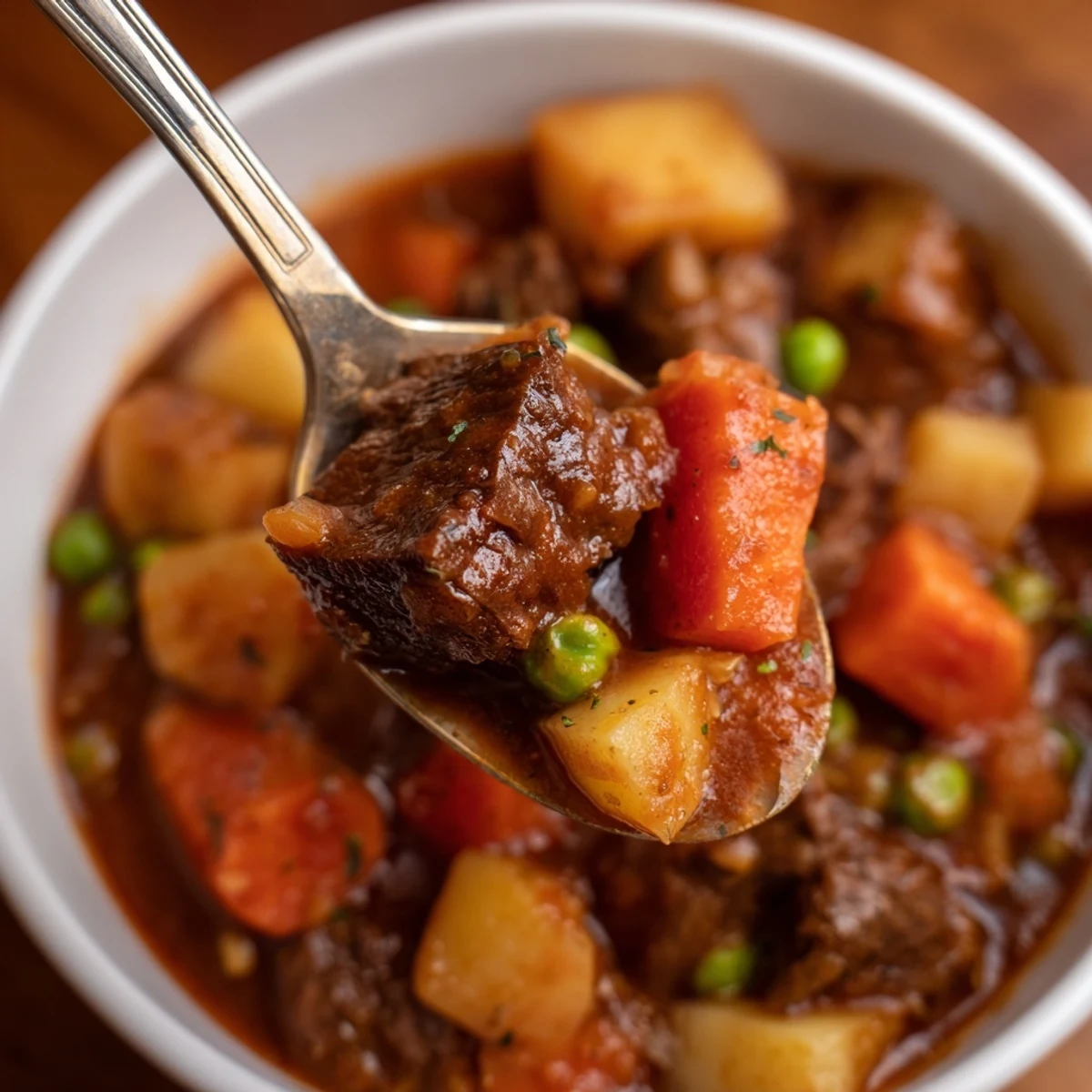
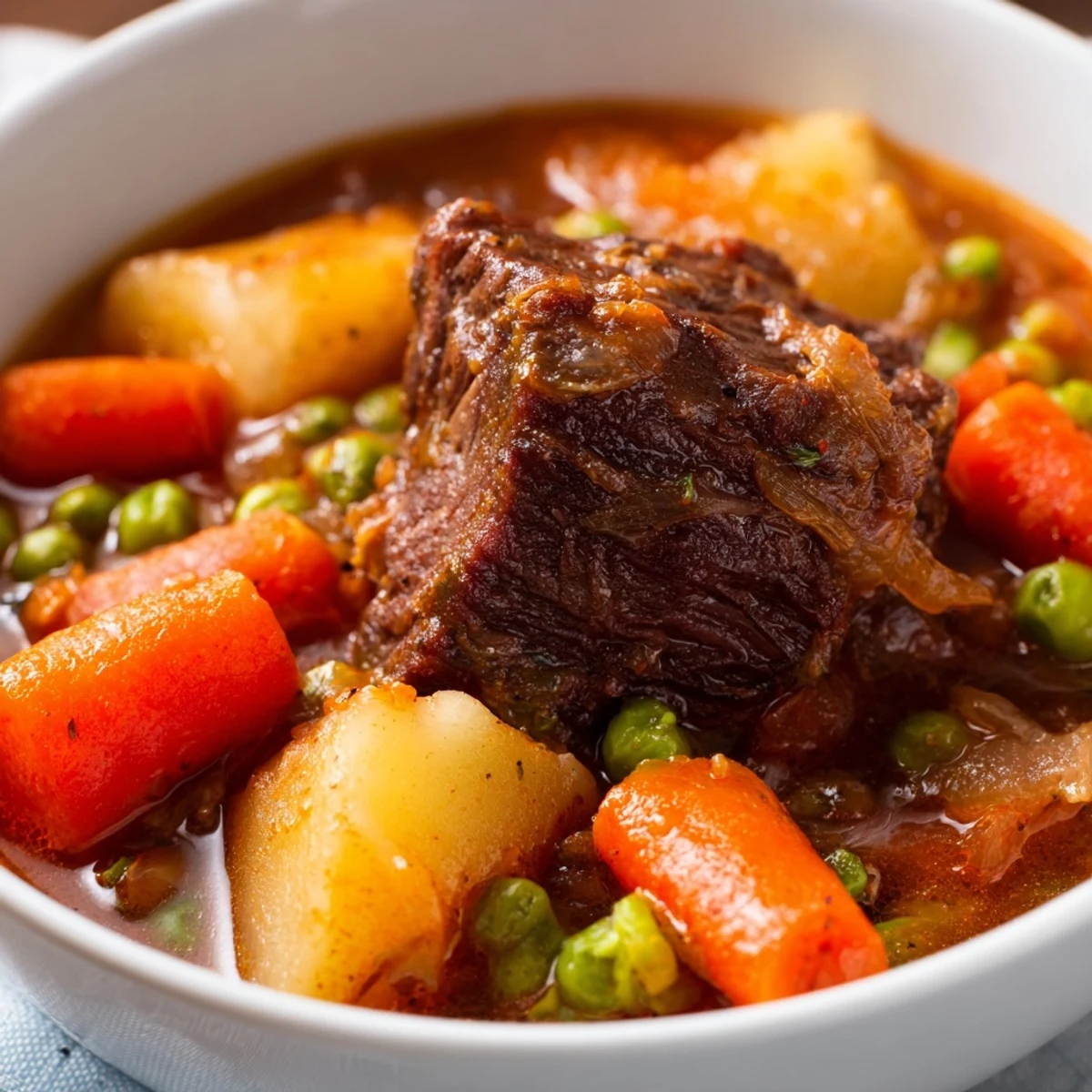
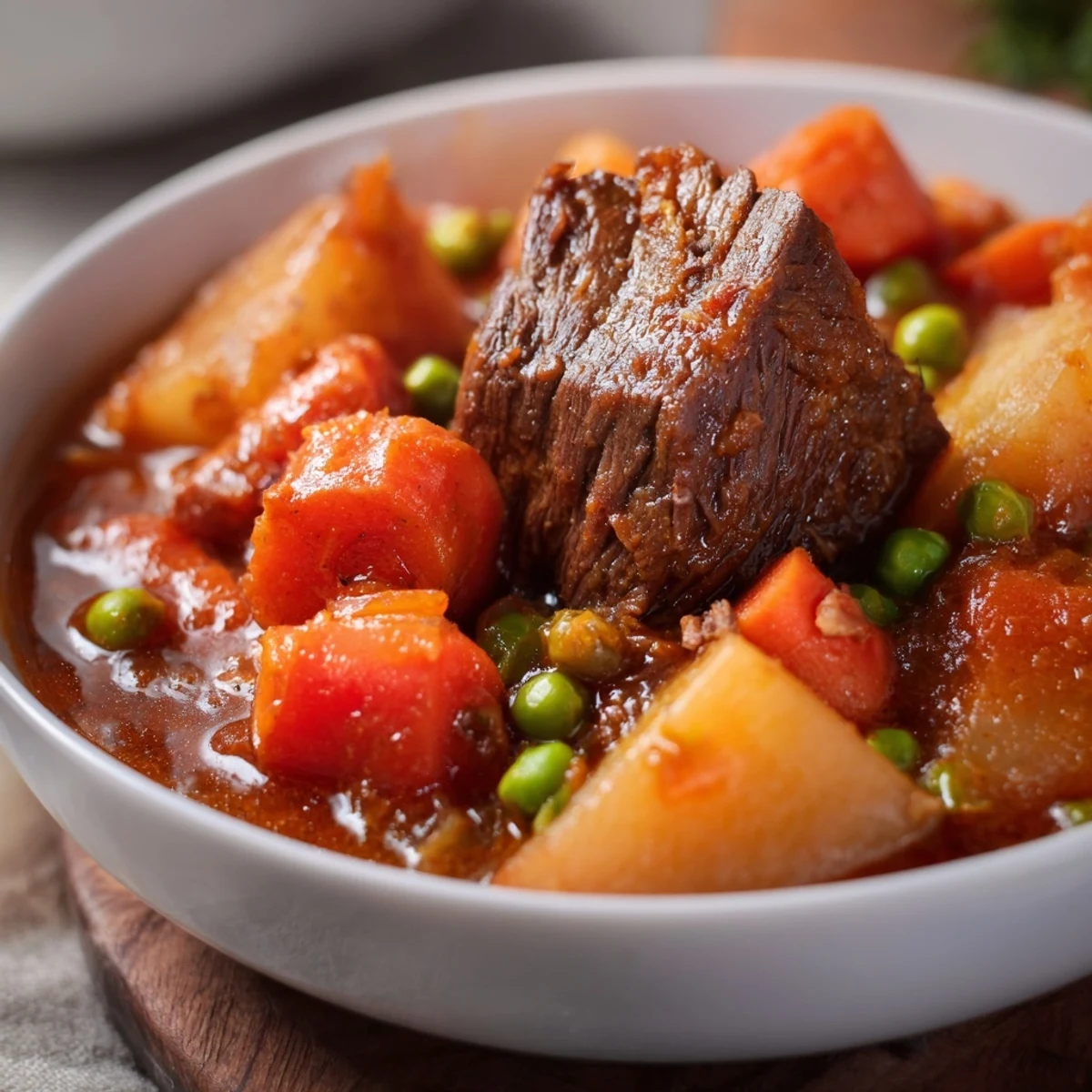
Save This dish features tender cubes of beef slowly cooked alongside carrots, potatoes, celery, and aromatic herbs in a rich, savory broth. The long, gentle simmering process develops deep flavors and a hearty texture. A slurry of cornstarch is added near the end to thicken the broth, incorporating frozen peas for freshness. This comforting stew suits easy preparation and yields a wholesome American-style main course.
There's something about the smell of beef browning in a hot skillet that immediately takes me back to my grandmother's kitchen on Sunday afternoons, even though this is entirely my own slow cooker discovery. I stumbled onto this method years ago when I needed dinner to be ready by 6 PM but didn't get home until after 5, and what emerged from that eight-hour wait was this impossibly tender stew that tastes like it's been simmering since morning. The beef practically dissolves on your tongue, and the broth has soaked up every herb and vegetable flavor into something deep and honest. Now it's become my go-to recipe whenever I want the house to smell like comfort.
I made this for my partner's book club one winter evening, and I remember being nervous because I'd never served a slow cooker dish to guests before. Someone asked halfway through dinner if I'd been cooking it all day, and when I said no, just set it and forgot it, the whole table got quiet in that way that means you've impressed people without trying. That's when I realized this recipe was special, not because it was fancy, but because it tasted like someone had cared.
Ingredients
- Beef chuck: The fattier cuts are essential here because that intramuscular marbling melts during the long cook and creates the richness you're after, not the lean stuff that turns stringy.
- Carrots, potatoes, celery, onion, and garlic: These aren't just padding; the celery and onion build an aromatic base that carries the whole stew, while potatoes thicken the broth naturally as they break down.
- Beef broth: Quality matters more than you'd think, so taste it before you buy if you can, because a thin broth makes a thin stew.
- Tomato paste: This adds umami depth and a subtle sweetness that balances the savory meat without tasting tomatoey.
- Worcestershire sauce and red wine: The wine rounds out the flavors (use a wine you'd actually drink), and the Worcestershire adds that mysterious savory note that makes people ask what your secret ingredient is.
- Thyme, rosemary, and bay leaves: Don't skip the fresh cracking of black pepper over the beef before searing; it creates a little crust that seals in the juices.
- Cornstarch or gluten-free flour: This slurry goes in at the end to give the broth body without that chalky taste you get from flour added too early.
Instructions
- Season and sear the beef:
- Pat your beef dry with paper towels before seasoning because moisture stops browning, then don't crowd the skillet—work in batches so each piece gets a golden crust that seals in the flavor. You'll hear it sizzle as soon as it hits the hot oil, and that sound means it's working.
- Build your slow cooker base:
- Toss all the vegetables straight into the slow cooker; they'll release their moisture and create a bed for the beef. Mince your garlic fresh rather than using jarred, because the difference in flavor is real and immediate.
- Mix your braising liquid:
- Whisk the broth, tomato paste, Worcestershire, and wine together in a bowl so the tomato paste dissolves evenly instead of leaving red streaks throughout. Pour it over everything and let gravity do the work of distributing it.
- Add your herbs and commit:
- Scatter in the thyme, rosemary, and bay leaves, give it a gentle stir, then cover and walk away—no peeking for at least the first four hours or you'll lose heat. Set your slow cooker to low for eight hours, which produces a more tender result than high heat.
- Thicken and finish:
- About thirty minutes before serving, stir together cornstarch and water until smooth, then stir it slowly into the simmering stew while stirring constantly so you don't get lumps. Add the frozen peas at this point and let them warm through and brighten the color.
 Save
Save There was a Tuesday in late fall when my mother came over unannounced and caught me coming home from work, and I pulled open the slow cooker to show her what had been happening all day. She tasted it and got that look on her face that meant she was already thinking about making it herself, and we sat at the kitchen counter talking for an hour while the stew sat there perfect and waiting. Food doesn't need to be complicated to matter.
Building Flavor Layers
The secret to a stew that tastes like it took hours of attention is understanding that flavor builds in layers: the beef gets its crust in the skillet, the vegetables create an aromatic foundation, and the tomato paste adds depth before the broth ties everything together. Some of my best meals come from respecting each of these steps rather than rushing through them, because shortcuts here show up in the final taste. The Worcestershire sauce is your secret weapon, adding a savory note that makes people wonder what you did differently without realizing it came from a bottle.
Vegetables and Variations
Root vegetables are your friend here because they hold their shape through eight hours of gentle heat and actually become more flavorful rather than mushy, which is different from the vegetables in quick-cooking soups. I've experimented with substituting parsnips or turnips for some potatoes, and the parsnips add a subtle sweetness that makes the broth taste somehow richer. Celery root is worth trying too if you find it, though start with smaller quantities because it's assertive. The potatoes do double duty by thickening the broth as they break down, so don't skip them thinking you're being clever about carbs.
Serving and Storage Wisdom
This stew tastes best served in wide shallow bowls so the broth can spread out and cool to eating temperature quickly, and I always set out crusty bread or serve it over mashed potatoes because the starch absorbs the broth and makes the whole meal more satisfying. Leftovers keep beautifully in the refrigerator for four or five days, and the flavors actually deepen overnight as everything continues melding together. It also freezes well if you've suddenly got extra, which is rare because people tend to eat more of this than they plan on.
- Reheat gently on the stovetop rather than blasting it in the microwave, which can make the beef tough and dry out the vegetables.
- Add a splash of broth or water when reheating because the starch will have absorbed liquid and it'll need refreshing.
- Make this a day ahead of a dinner party because you'll have one less thing to think about and it genuinely tastes better.
 Save
Save This is the kind of recipe that shows up in your life at exactly the moment you need it, asking nothing but your presence for twenty minutes and then rewarding you with hours of aroma and a dinner that tastes like you've been planning it all week. I hope it becomes something you make over and over until the steps feel like muscle memory and you stop thinking about it as a recipe.
Recipe FAQs
- → How do I achieve tender beef in this stew?
-
Slow cooking on low heat for several hours allows the beef to break down and become tender while absorbing surrounding flavors.
- → Can I substitute vegetables in this dish?
-
Yes, root vegetables like parsnips or turnips can replace some potatoes to add different textures and tastes.
- → What thickening agents work best?
-
Cornstarch or gluten-free flour mixed with water creates a slurry that thickens the broth when stirred in near the end.
- → Is it possible to omit the wine without losing flavor?
-
Yes, replacing wine with extra beef broth maintains depth and body without adding alcohol.
- → When should I add frozen peas for best texture?
-
Add frozen peas with the thickener about 30 minutes before the dish finishes cooking to retain their color and slight firmness.