
 Save
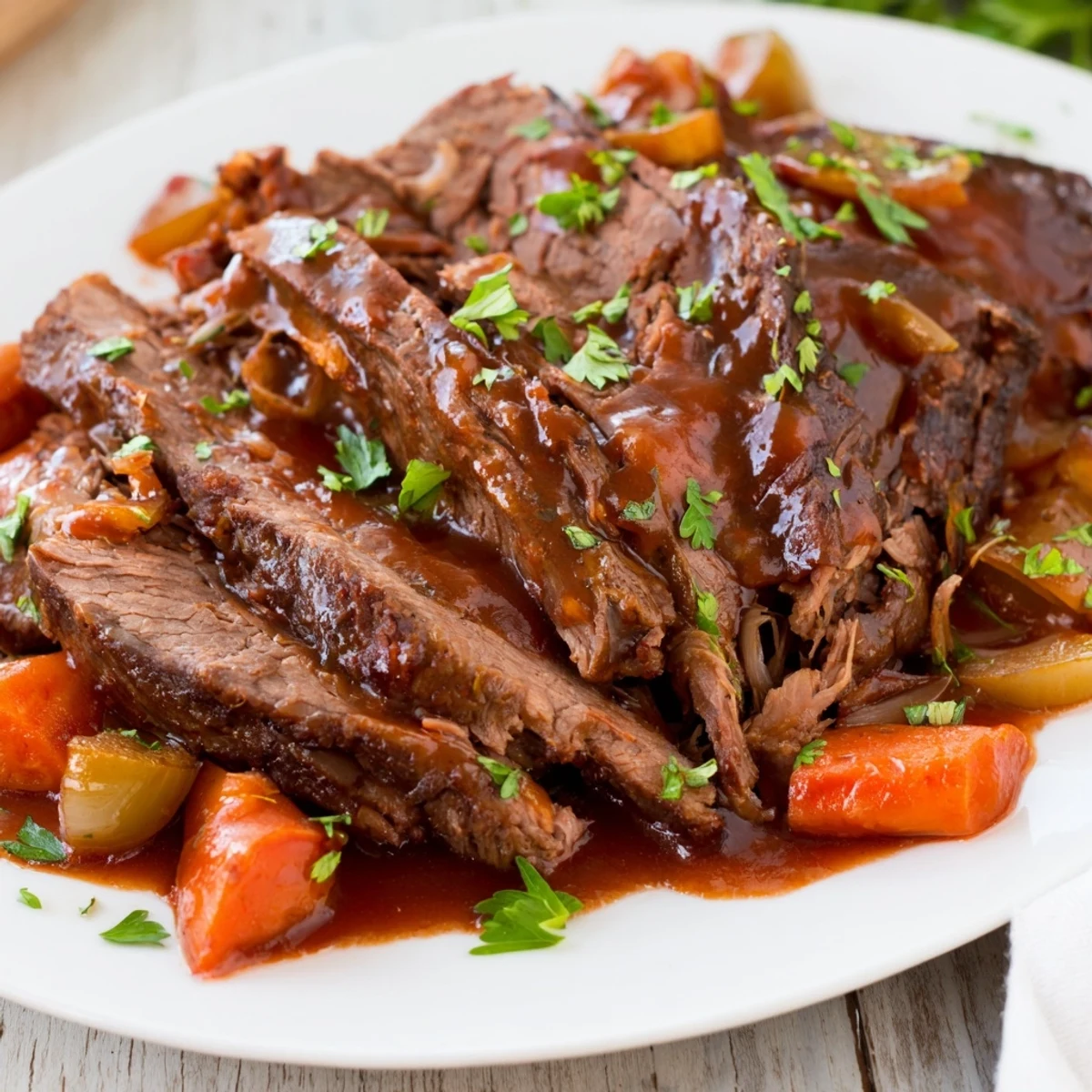
Save This dish features a tender beef brisket cooked slowly with aromatic onions, garlic, carrots, and celery. A rich blend of broth, barbecue sauce, tomato paste, and spices infuses deep flavor. The brisket becomes fork-tender after an 8-hour slow cooking process, resulting in a juicy and satisfying main course. Resting the sliced brisket before serving helps retain moisture, while the savory sauce complements the hearty vegetables. Ideal for an easy, comforting meal that delivers taste and tenderness.
There's something deeply satisfying about putting a massive slab of beef into a slow cooker in the morning and walking away, knowing that by evening your kitchen will smell like a steakhouse. I discovered this recipe years ago when a friend casually mentioned she made brisket for her whole family without leaving the house once—no fussing, no stress, just a timer and patience. That conversation changed how I think about weeknight entertaining, and now this dish has become my go-to when I want everyone to feel genuinely fed and cared for.
I made this for my sister's birthday dinner once, and she arrived early to help but ended up just sitting at the counter drinking coffee, telling me stories while the slow cooker did all the work. By the time her guests arrived, the brisket was so perfectly done that slicing it felt ceremonial—the way it parted clean against the grain made everyone take notice. It became one of those meals people still talk about, even though I barely left the kitchen.
Ingredients
- Beef brisket (4 lb): Choose a cut with good marbling—that fat renders into flavor and tenderness as it cooks low and slow. Ask your butcher to trim it to about a quarter-inch of fat on top, which gives you flavor without greasiness.
- Onions and garlic: These become almost caramelized at the bottom of the pot, creating a natural base that keeps the meat from sticking and adds umami depth.
- Carrots and celery: Beyond taste, these vegetables soften into the sauce and make serving feel more complete—they're your edible vegetables, not just aromatics.
- Beef broth: Low-sodium works best so you can control the salt level yourself; the long cooking concentrates all the flavors.
- Barbecue sauce and tomato paste: These create the sweet-savory backbone that makes the whole dish feel cohesive and familiar.
- Worcestershire and brown sugar: The Worcestershire adds a tangy complexity that makes people wonder what the secret ingredient is, while the brown sugar rounds out any harshness.
- Smoked paprika and thyme: These dried spices develop during the long cook, becoming more floral and rounded rather than harsh or powdery.
Instructions
- Season and dry the meat:
- Pat your brisket completely dry with paper towels—this matters more than you'd think, as moisture prevents the seasoning from adhering and can keep the meat from browning. Sprinkle salt, pepper, and paprika all over, pressing gently so it sticks.
- Build your vegetable bed:
- Arrange the sliced onions, chunks of carrots and celery in the slow cooker bottom, then scatter garlic over them. This isn't just organization; it's creating a platform that keeps the meat elevated so it steams and braises evenly rather than sitting in liquid.
- Mix the braising liquid:
- Whisk together the beef broth, barbecue sauce, tomato paste, Worcestershire, brown sugar, thyme, and any paprika you have left. The mixture should taste slightly more intense than you'd want in a finished sauce—the long cooking mellows it into perfect balance.
- Nestle and cover:
- Place the seasoned brisket on top of the vegetables and pour the sauce mixture around and over it, making sure everything gets moistened. Cover the slow cooker and commit to not peeking for at least six hours—each time you lift the lid, you're releasing heat and adding time.
- Cook low and patient:
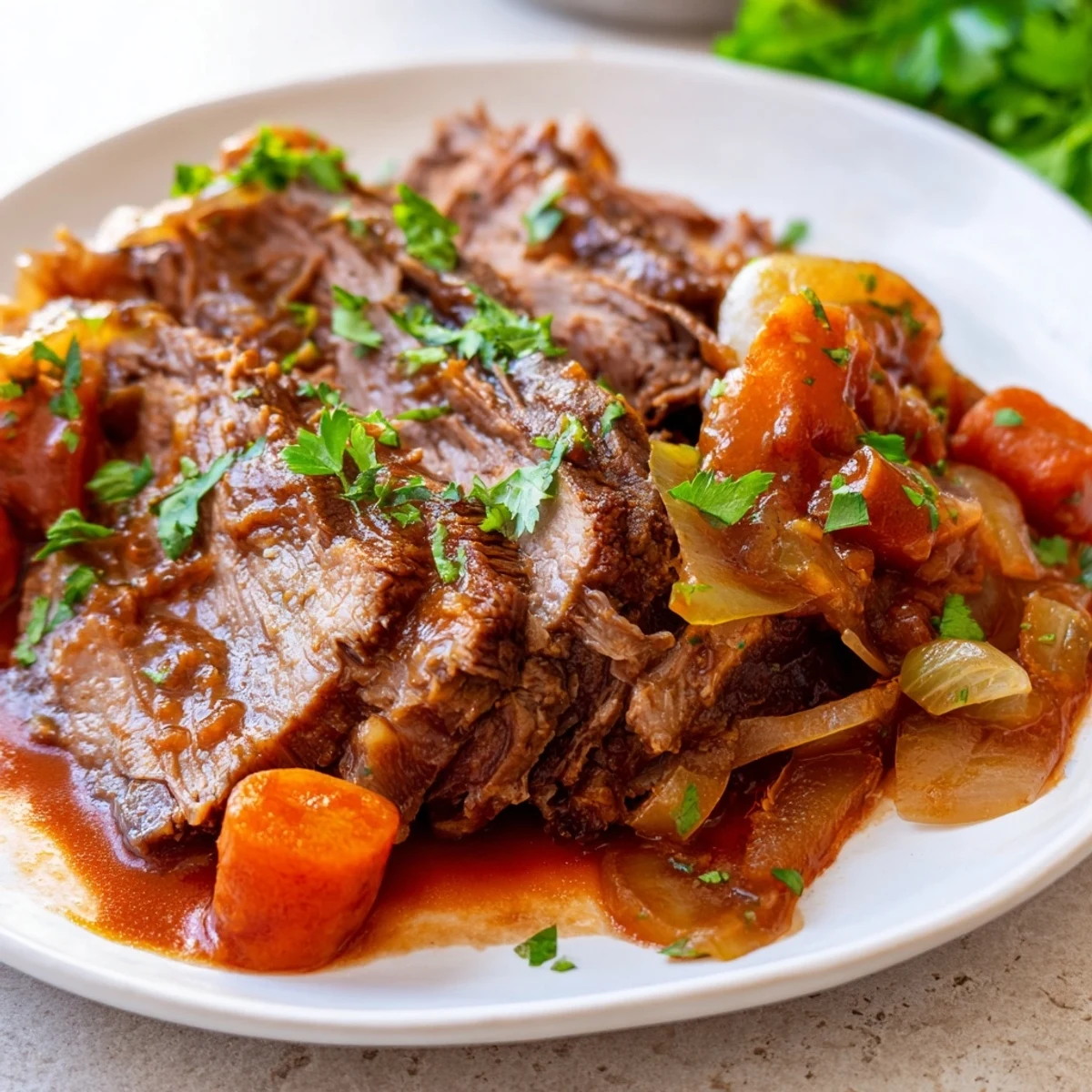
- Let it go on low for eight hours until a fork slides through the meat like it's almost not there. The slow cooker will do the work; you just need to resist the urge to check on it constantly.
- Rest and slice:
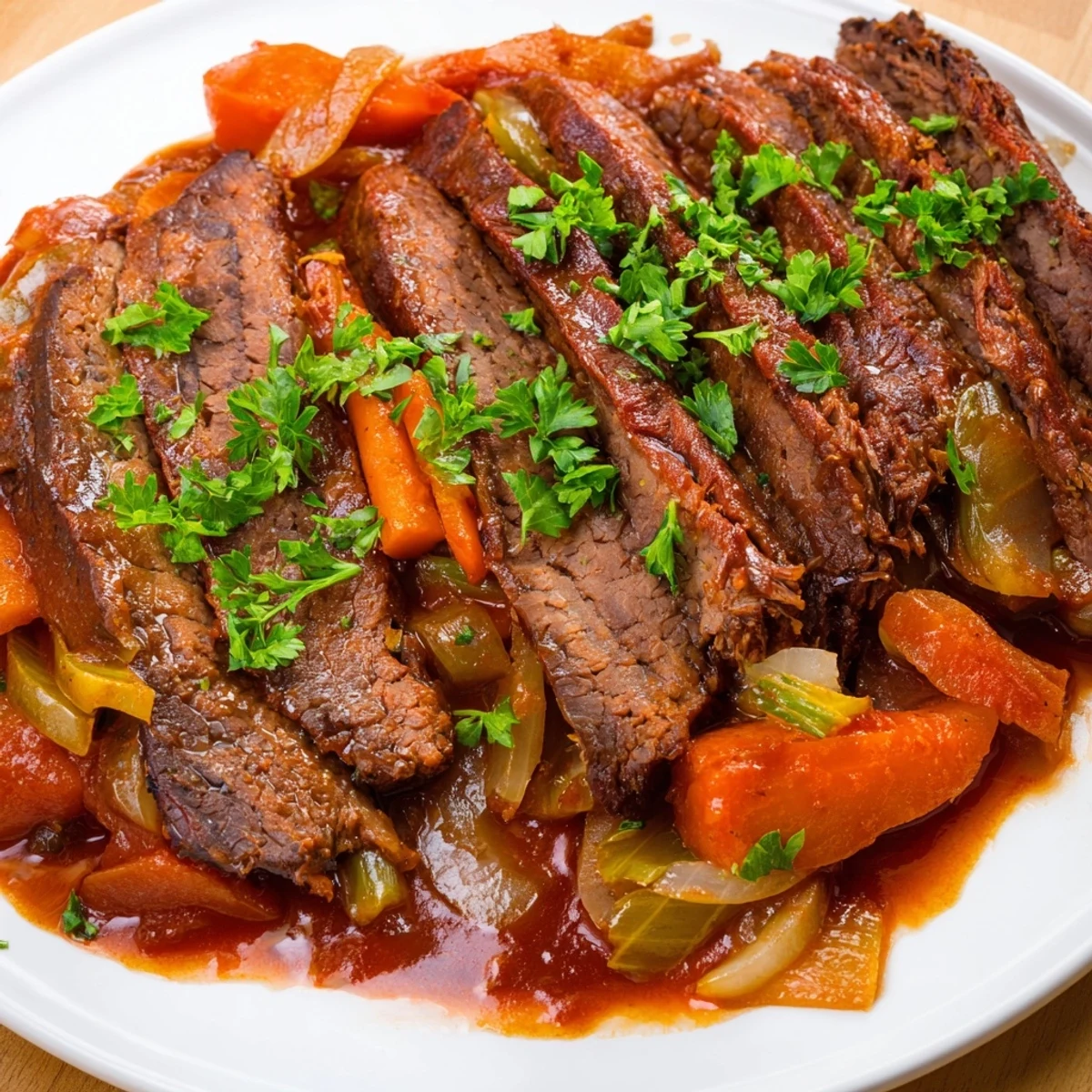
- Transfer the brisket to a cutting board and let it rest for ten minutes so the juices redistribute rather than running all over your plate. Slice against the grain using a sharp knife, which makes the difference between tender slices and shreds.
- Finish and serve:
- Skim any excess fat from the sauce using a spoon or skimming tool, then drizzle the brisket with that savory liquid and serve it alongside the softened vegetables. A handful of fresh parsley on top adds brightness and makes everything look intentional.
 Save
Save What I love most about this recipe is watching the skeptical face of someone who's never had slow cooker brisket transform the moment they take that first bite. The meat tastes like it took hours of active cooking, but you spent twenty minutes prepping and then disappeared. That contrast—minimal effort, maximum impression—is why this recipe keeps finding its way onto my table when it matters.
Why This Recipe Actually Works
Brisket is naturally tough because it's a heavily used muscle on the cow, but that toughness comes with incredible flavor potential. Low, slow heat breaks down the connective tissue into gelatin, which gives you that silky texture and makes the broth naturally rich. The vegetables soften into the sauce without becoming mushy, and the long cooking allows every seasoning to deepen and round out. It's chemistry more than luck—this cut and this method were made for each other.
Variations That Work
Once you nail the basic version, the formula becomes flexible. I've made this with cola instead of half the barbecue sauce, which adds an unexpected sweetness and depth. Sometimes I use tomato sauce instead of barbecue sauce entirely for something less sweet—it feels more like a pot roast than a barbecue situation. You can also add a sliced jalapeño or a splash of hot sauce if you want spice, or stir in some red wine for richness. The key is keeping the overall liquid ratio the same so the cooking time stays true.
Serving and Storing
Brisket actually improves a day or two after cooking because the flavors marry and the meat continues to absorb the sauce as it sits. Leftovers go straight into the fridge in a covered container with all their liquid, and they'll keep for four days easily. The best use is sliced brisket on crusty bread for sandwiches, or shredded brisket piled into warm tortillas for tacos, but cold brisket salad is underrated too.
- Reheat gently in a covered pot over low heat rather than the microwave, which dries things out.
- If you're making this for a crowd, double it—the slow cooker handles large batches beautifully, and you'll want leftovers.
- Serve with something acid-forward like coleslaw or pickled onions to cut through the richness.
 Save
Save This recipe has taught me that feeding people well doesn't require complexity or constant attention—just good ingredients, the right method, and enough time. It's become my answer to the question of what to make when I want to show up for someone.
Recipe FAQs
- → How long should the brisket cook?
-
Cook the brisket low and slow for about 8 hours until it is fork-tender and infused with flavors.
- → Can I sear the brisket before slow cooking?
-
Yes, searing the brisket in a hot skillet before slow cooking adds extra depth and caramelized flavor.
- → What vegetables are used in this dish?
-
Onions, garlic, carrots, and celery are layered under the brisket to infuse aromatic flavors.
- → How is the sauce prepared?
-
The sauce combines beef broth, barbecue sauce, tomato paste, Worcestershire sauce, brown sugar, and spices to enrich the brisket.
- → How do I know when the brisket is done?
-
The brisket is ready when it becomes fork-tender and easily slices against the grain.