
 Save
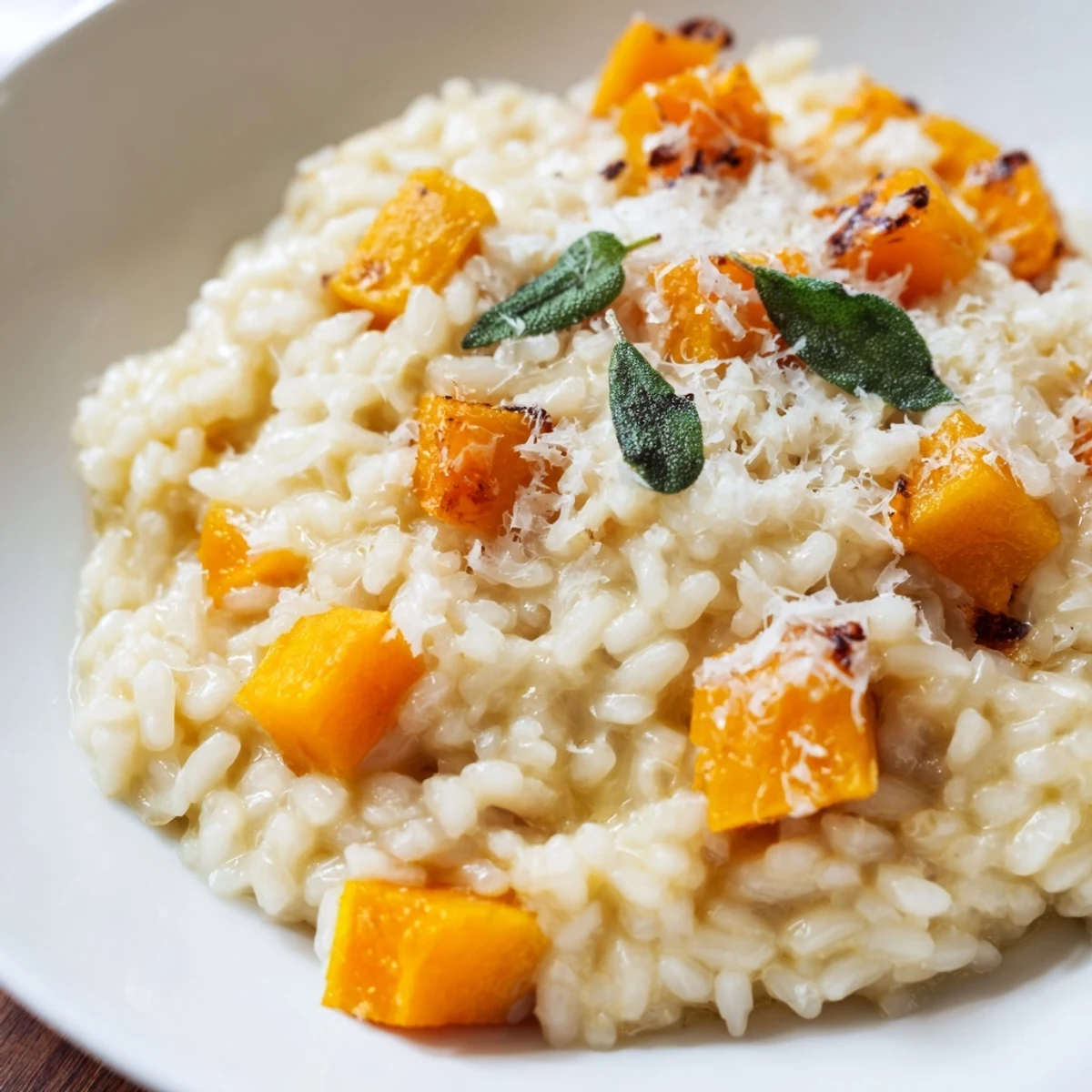
Save This dish features tender roasted butternut squash cubes folded into creamy Arborio rice cooked slowly in vegetable broth and white wine. Aromatic herbs like sage and rich Parmesan enhance flavors, making it a comforting, savory plate ideal for vegetarian dining. The technique involves roasting squash until golden, preparing the risotto with gradual broth addition for perfect texture, and blending ingredients to deliver a satisfying warmth and balance.
There's something magical about the moment butternut squash hits a hot oven and fills your kitchen with that sweet, almost caramel-like aroma. I discovered this risotto on a gray November afternoon when I had half a squash sitting in my pantry and a craving for something creamy and substantial. The combination of the roasted squash's natural sweetness with the savory, buttery rice felt like a revelation, and it's become my go-to dish whenever I want to feel both comforted and impressed by what I've made.
I made this for my sister's surprise dinner last fall, and watching her take that first bite while steam rose from the bowl—she didn't even say anything at first, just closed her eyes. That's when I knew the recipe had real staying power. She's made it three times since then, and now it's become part of our autumn tradition.
Ingredients
- Butternut squash (1 small, about 2 lbs): The heart of this dish—peeling and cutting can feel tedious, but those golden roasted cubes are what make every spoonful taste like comfort.
- Olive oil: Use good oil here; it carries the flavor of the roasted squash beautifully.
- Arborio rice (1 1/2 cups): This starchy short-grain rice is essential for creamy risotto; regular rice won't achieve that luxurious texture.
- Vegetable broth (5 cups): Warm broth is crucial—cold broth will cool the risotto and disrupt the cooking process.
- Butter (3 tbsp total): Unsalted is key so you control the salt level; the butter creates that silky finish at the end.
- Yellow onion and garlic: These aromatics build the foundational flavor that lets the squash shine.
- Dry white wine (1/2 cup): It adds acidity and depth; don't skip this step even if you want to reduce alcohol content.
- Parmesan cheese (1/2 cup plus extra): Freshly grated makes a real difference in creaminess and flavor.
- Fresh sage (2 tbsp): If using dried, cut it to 1 tsp; the herb's earthiness complements squash in ways other herbs simply don't.
Instructions
- Roast the squash until golden:
- Toss your cubes with oil and seasonings, spread them on a sheet, and let the oven work its magic for 25–30 minutes. You want edges that are slightly caramelized and the inside completely tender; this is where the sweetness develops. Turn them halfway through so they brown evenly.
- Keep your broth warm and ready:
- Pour it into a saucepan and let it simmer gently on a back burner. Cold broth will shock the rice and interrupt the creamy texture you're building.
- Build your aromatic base:
- Melt butter with olive oil, then add diced onion and let it soften into translucence over medium heat—this takes about 3–4 minutes. Add minced garlic last so it doesn't burn, cooking just until fragrant.
- Toast the rice:
- This step often gets skipped, but toasting the rice for 2 minutes creates a subtle nuttiness and helps each grain hold its shape better. You'll hear it click gently against the pot.
- Add wine and let it disappear:
- Pour in the white wine and stir until the rice absorbs every drop. The wine's acidity coats each grain and prevents them from sticking together prematurely.
- Add broth gradually and stir with intention:
- This is the dance of risotto—add about 1/2 cup warm broth, stir frequently, and wait until it's nearly absorbed before adding more. This gradual release of starch is what creates creaminess without cream. The whole process takes about 20 minutes and requires your presence, not your constant attention.
- Fold in the final touches:
- When the rice is creamy and still has a slight bite to it, gently fold in the roasted squash, Parmesan, sage, and the last tablespoon of butter. This final butter is called mantecatura in Italian cooking—it finishes the dish with richness and sheen.
- Taste and serve immediately:
- Risotto waits for no one; season with salt and pepper, then get it into bowls right away while it's at its most luxurious.
 Save
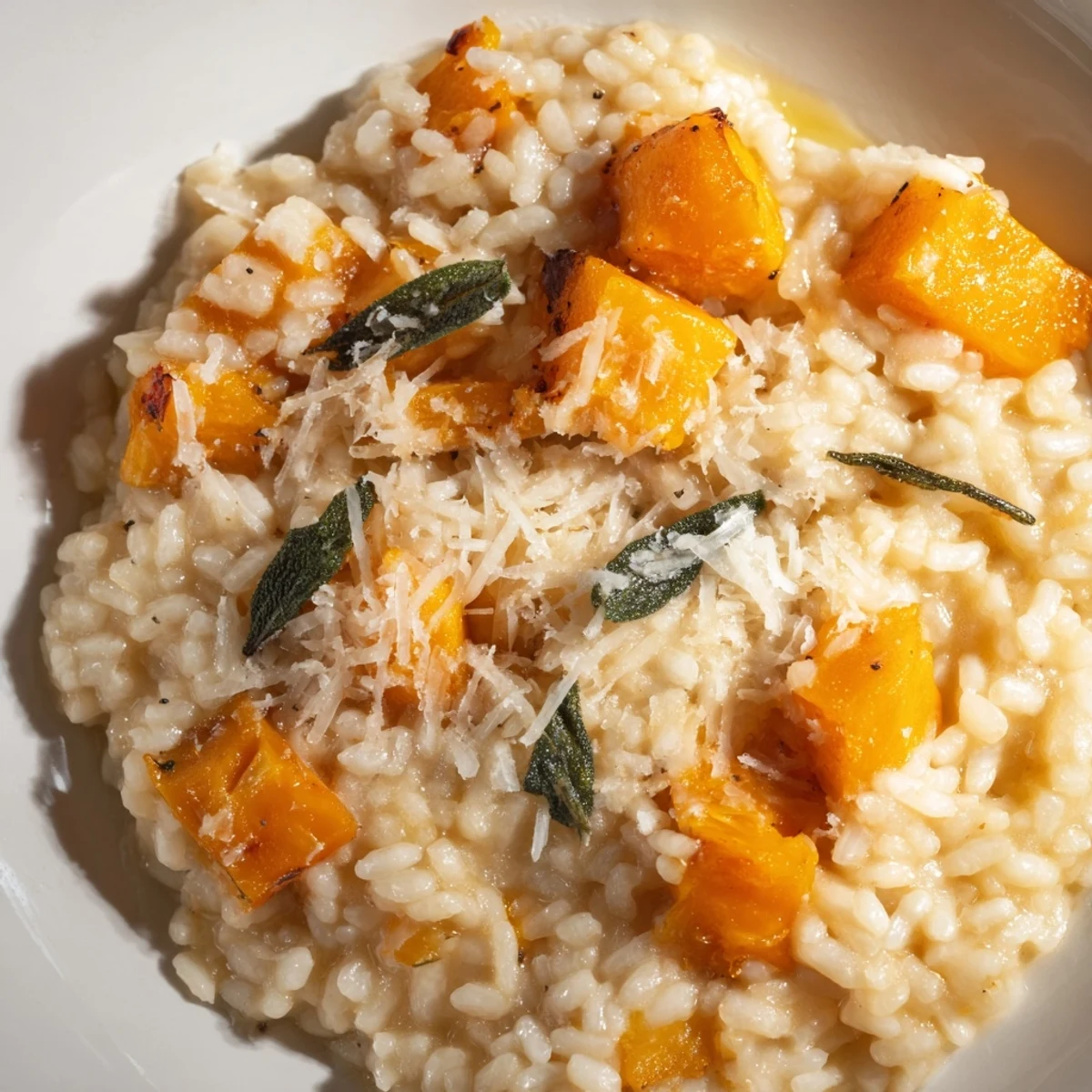
Save The first time someone asked for seconds without being prompted, I realized this wasn't just another dinner—it was the kind of dish that makes people feel taken care of. There's real generosity in a bowl of risotto, something that transcends the individual ingredients.
Variations and Additions
While the classic version is my favorite, I've learned that risotto is wonderfully flexible. A handful of toasted walnuts or pine nuts adds a textural contrast that plays beautifully against the creamy rice and soft squash. For a vegan version, use plant-based butter and skip the Parmesan entirely, or swap in nutritional yeast for a savory note. I've also experimented with swapping sage for thyme or rosemary, though sage really is the star pairing with squash.
Wine and Serving
This risotto pairs beautifully with a crisp white wine like Pinot Grigio or a light Sauvignon Blanc. The acidity cuts through the richness and refreshes your palate between bites. Serve it immediately in warm bowls, and if you're feeling generous, grate extra Parmesan over the top and add a whisper of fresh sage as garnish.
A Few Things Worth Remembering
Risotto has a reputation for being fussy, but it's really just asking for your attention and intention. The creamy, golden finish comes from the slow, patient addition of broth and the starch released from the rice—not from cream or shortcuts. Once you understand this rhythm, you'll find yourself making risotto regularly, changing the seasonal vegetables and aromatics based on what's available.
- Use a heavy-bottomed pot so heat distributes evenly and nothing scorches on the bottom.
- Keep tasting as you go near the end—every stove and every batch of rice cooks slightly differently.
- Double-check broth labels if you need gluten-free; some broths contain hidden gluten, and cheese labels if you care about animal rennet.
 Save
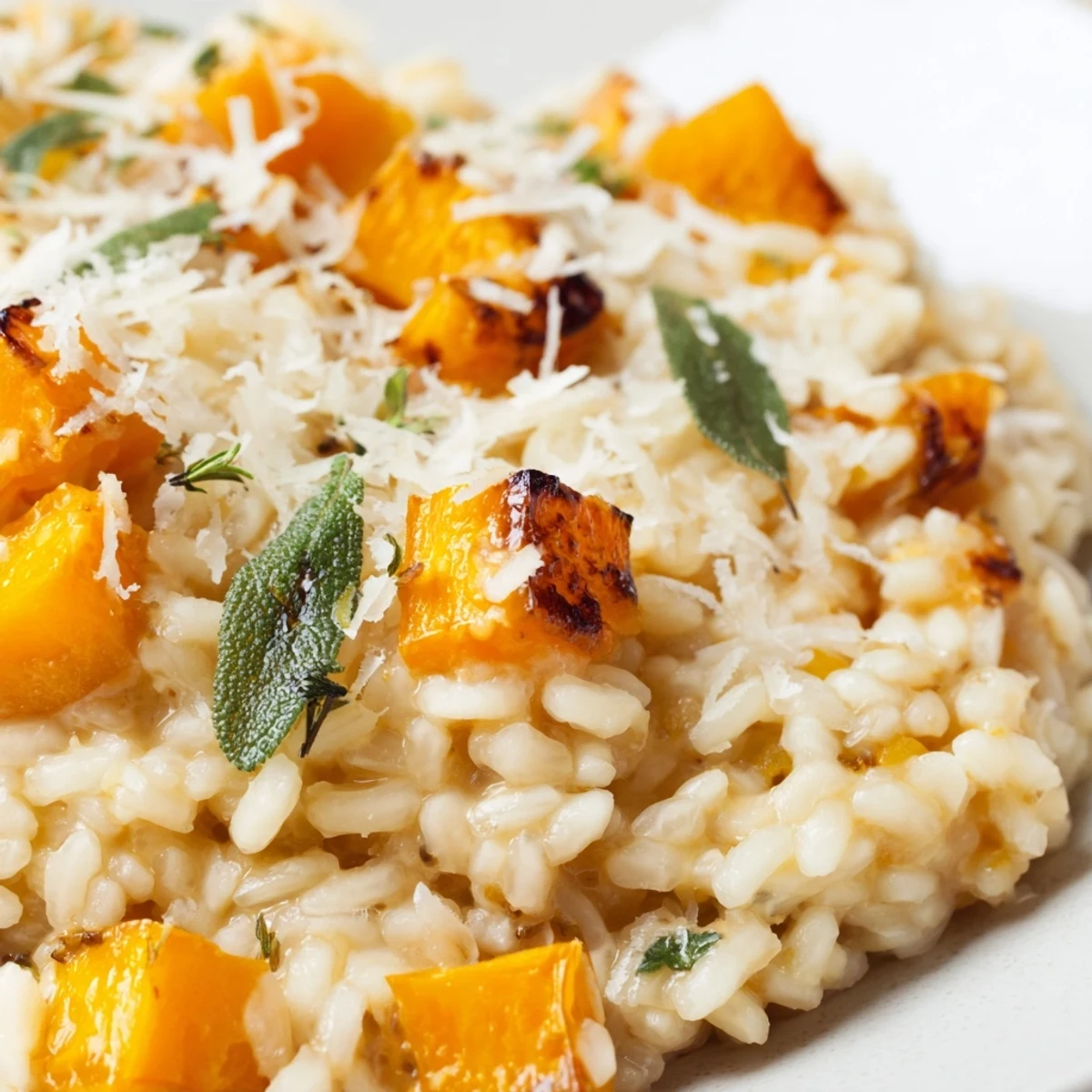
Save This is the kind of dish that reminds you why cooking for others matters. It asks for presence, rewards attention, and delivers something genuinely nourishing in return.
Recipe FAQs
- → How do you roast butternut squash for optimal flavor?
-
Cut the squash into even cubes, toss with olive oil, salt, and pepper, then roast at 425°F until golden and tender, about 25-30 minutes, turning halfway.
- → What makes Arborio rice ideal for this dish?
-
Arborio rice has a high starch content that releases during cooking, creating the creamy texture characteristic of this style of risotto.
- → Can the dish be made gluten-free?
-
Yes, by ensuring the vegetable broth and other ingredients are gluten-free, the dish suits gluten-free diets without altering the method.
- → What herbs complement roasted butternut squash in this preparation?
-
Chopped fresh sage adds an earthy, aromatic note that pairs beautifully with the sweet squash and creamy rice.
- → How should the broth be added during cooking?
-
Warm broth is added gradually in small increments, stirring frequently and allowing absorption before adding more to achieve a creamy consistency.