
 Save
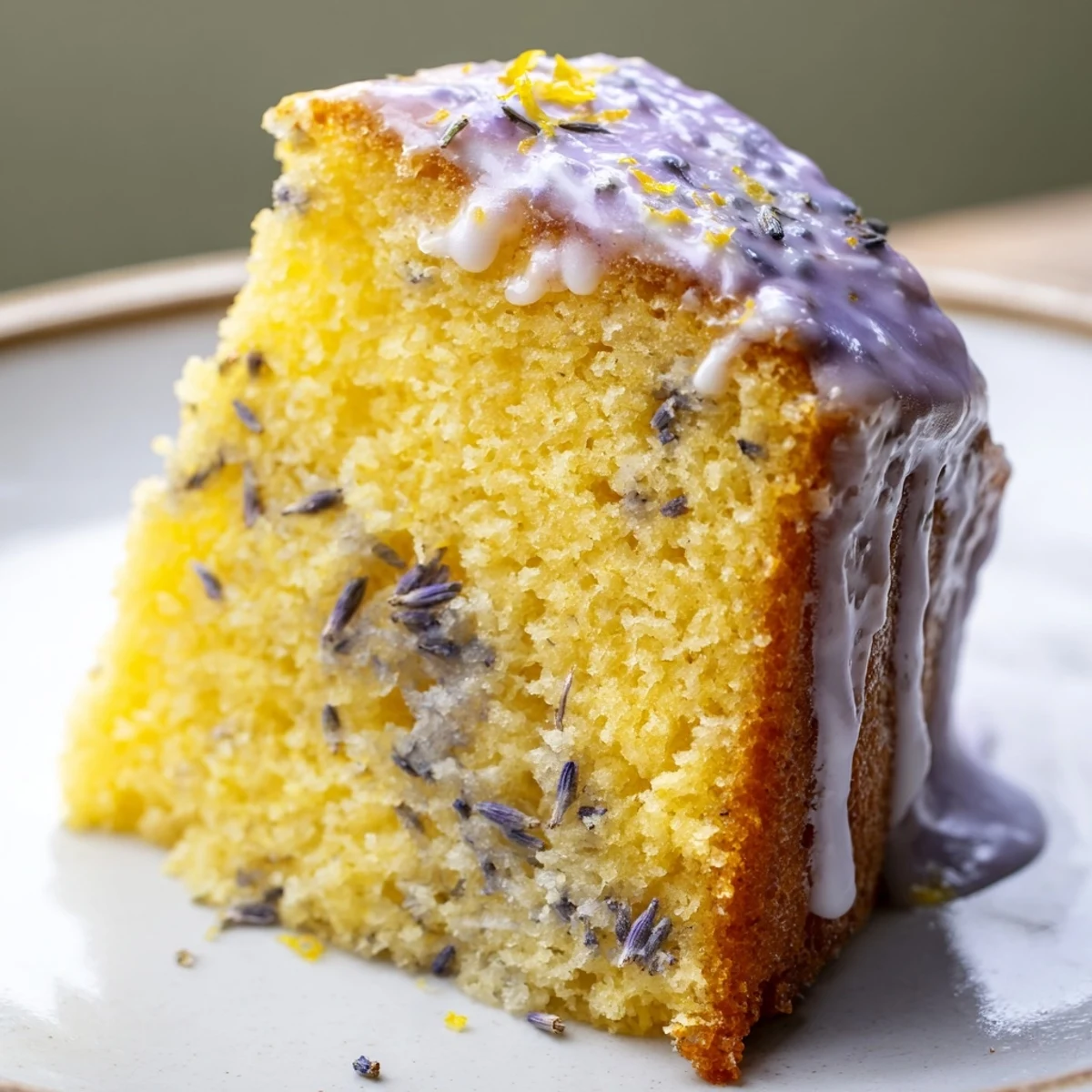
Save This delicate lavender cake brings the essence of Provence to your table. Infused with fragrant culinary lavender buds and finished with a bright lemon glaze, it creates a sophisticated dessert perfect for afternoon tea or special gatherings. The cake features a tender crumb with subtle floral notes balanced by citrus undertones.
Preparation takes just 20 minutes with 30 minutes of baking time. The optional lavender syrup soaking step adds extra moisture and intensifies the aromatic profile. Serve this elegant cake with Earl Grey tea for a classic European-inspired experience.
My neighbor actually grows lavender in her front garden, and one summer afternoon she handed me a small bundle saying it would change my baking. I was skeptical about putting flowers in cake, but that first bite of lavender cake felt like discovering a secret language between flowers and butter. Now I keep a jar of dried lavender buds in my pantry year-round.
I made this cake for my mothers birthday last spring, and she kept asking what the magical flavor was. Everyone at the table fell quiet for that first bite, which is basically the highest compliment a dessert can get. My aunt actually asked for the recipe before she even finished her slice.
Ingredients
- All-purpose flour: The structure that holds all those delicate floral notes together
- Baking powder and salt: Essential lift and balance, dont skip or skimp
- Unsalted butter: Room temperature is non-negotiable for that perfect creamed texture
- Granulated sugar: Creates that tender crumb we want in a delicate cake
- Large eggs: Also at room temperature, they incorporate better into the batter
- Culinary lavender buds: Food-grade only, and chop them finely to distribute evenly
- Vanilla extract: Pairs beautifully with lavender and rounds out the floral notes
- Whole milk: Adds moisture and richness to the final crumb
- Water and extra sugar: For the optional soaking syrup that keeps it moist
- Powdered sugar and lemon juice: The glaze is what makes this cake truly special
Instructions
- Preheat your oven:
- Get it to 350°F and grease that 8-inch pan like your life depends on it, really get into the corners
- Whisk the dry team:
- Flour, baking powder, and salt in one bowl, give it a quick whisk to aerate
- Cream the butter and sugar:
- Beat until its pale and fluffy, like 3 to 5 minutes, this step is worth every second
- Add eggs and aromatics:
- Beat in eggs one at a time, then fold in that chopped lavender and vanilla
- Combine wet and dry:
- Alternate adding flour mixture and milk, starting and ending with flour, stop as soon as you see no more dry streaks
- Bake until golden:
- 25 to 30 minutes, but trust your toothpick more than the timer
- Make the optional syrup:
- Simmer water, sugar, and lavender for 3 minutes while the cake bakes, strain carefully
- Brush and cool:
- Poke those tiny holes and brush with warm syrup if using, then let it cool completely
- Whisk the glaze:
- Mix powdered sugar, lemon juice, and lavender until it drips beautifully off your spoon
- Finish and serve:
- Drizzle that glaze over the cooled cake, wait for it to set, then slice and watch people smile
 Save
Save This recipe has become my go-to for whenever I need to bring something that feels special without spending all day in the kitchen. Something about serving a floral cake makes people think you are fancy, even if you are just eating it in sweatpants with your cat.
Getting The Lavender Balance Right
I once accidentally doubled the lavender because I was distracted, and that cake tasted like soap. Lesson learned, culinary lavender is potent stuff. Start with the measured amount, then you can always add a pinch more next time if you want it stronger.
Room Temperature Magic
Cold ingredients create a stubborn batter that refuses to emulsify properly. I learned this the hard way when I was rushing and ended up with a weirdly dense cake. Now I set everything out on the counter at least 30 minutes before I even turn on the oven.
The Syrup Secret
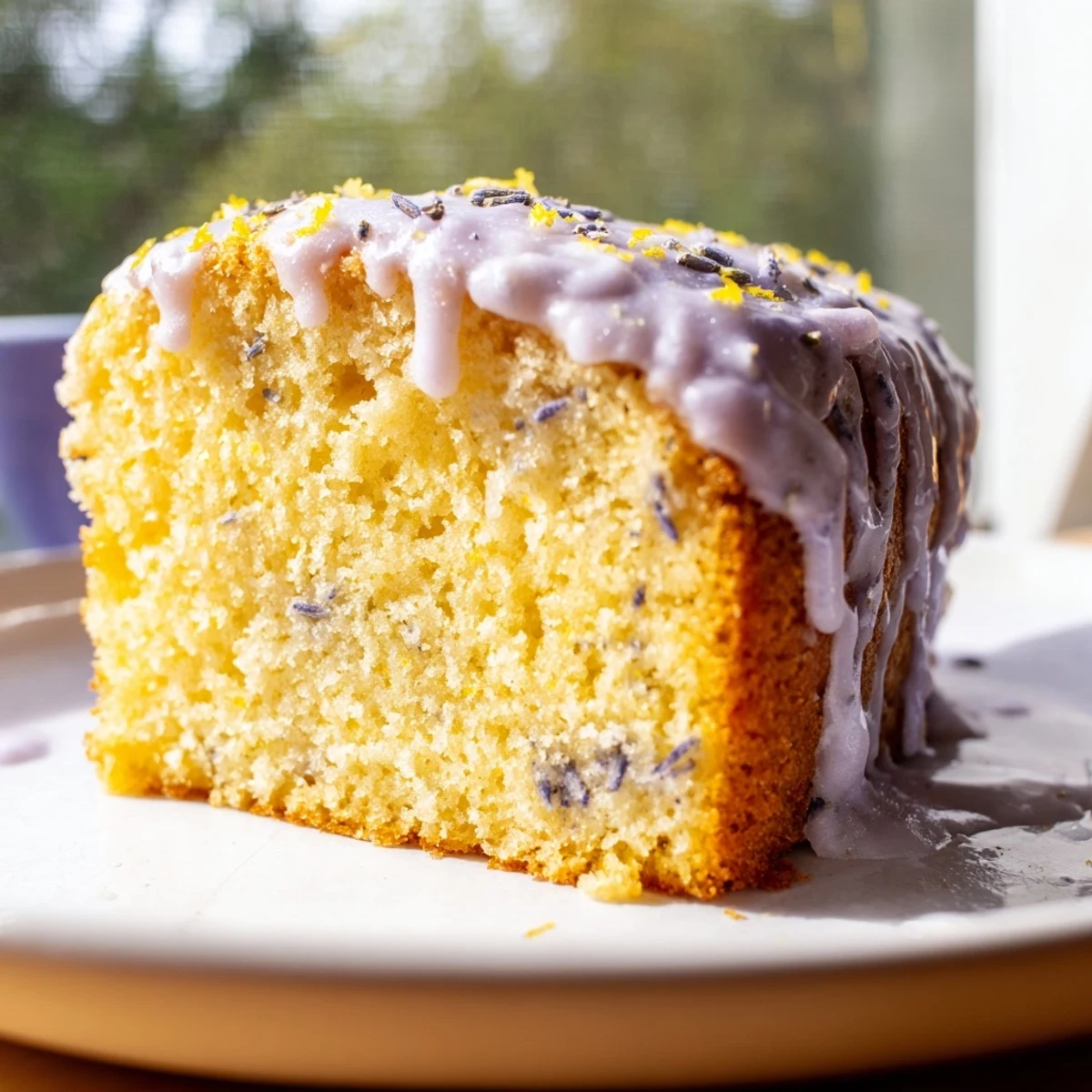
That optional lavender syrup is what transforms a good cake into an unforgettable one. It seeps into every crumb and keeps everything moist for days, not that it ever lasts that long in my house.
- Use a pastry brush for even syrup distribution
- Warm glaze spreads better than cold
- Let the glaze set completely before covering
 Save
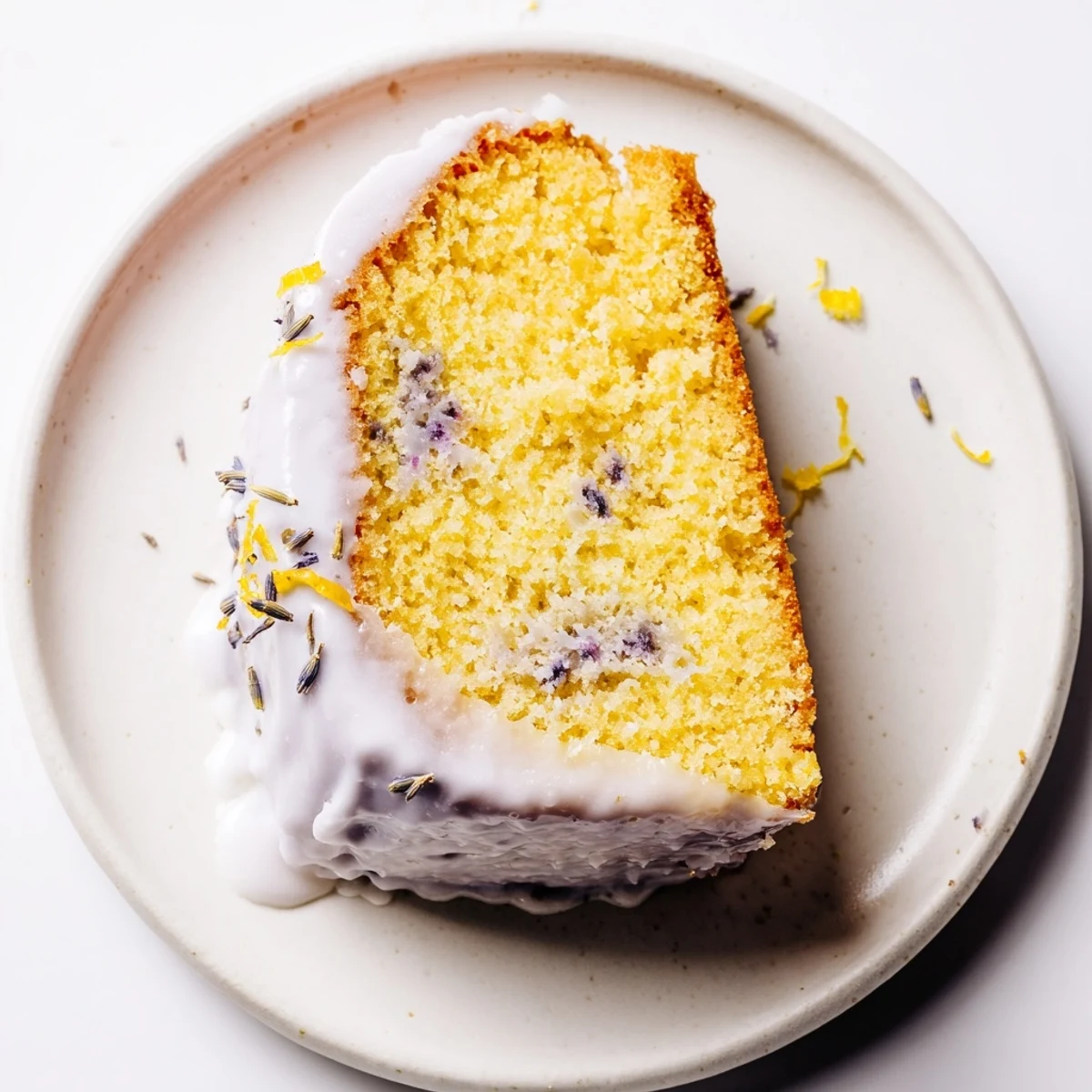
Save There is something deeply satisfying about serving a cake that tastes like a garden in full bloom. Hope it brings a little floral magic to your table too.
Recipe FAQs
- → Can I use dried lavender from my garden?
-
Only use culinary-grade lavender specifically labeled for food consumption. Garden lavender may have been treated with pesticides or have an overpowering flavor. Culinary lavender buds provide the most consistent and safe results.
- → How do I adjust the lavender intensity?
-
Reduce the lavender buds by half for a more subtle flavor. You can also steep the lavender in warm milk for 10 minutes, then strain before adding to the batter for a gentler infusion.
- → Can I make this cake ahead of time?
-
Yes, bake the cake up to 2 days in advance. Wrap tightly in plastic wrap and store at room temperature. Apply the glaze on the day of serving for the freshest appearance and texture.
- → What can I substitute for whole milk?
-
Almond milk, oat milk, or soy milk work well as dairy-free alternatives. For a richer version, use half-and-half or heavy cream diluted with a small amount of water.
- → Why is my cake dense?
-
Overmixing the batter can develop too much gluten, creating a dense texture. Mix until just combined after adding the flour mixture. Also ensure your baking powder is fresh for proper lift.
- → Can I make cupcakes instead?
-
Absolutely. Portion the batter into a standard muffin tin lined with paper cups. Reduce baking time to 18-22 minutes, checking for doneness with a toothpick. Makes approximately 12-15 cupcakes.