
 Save
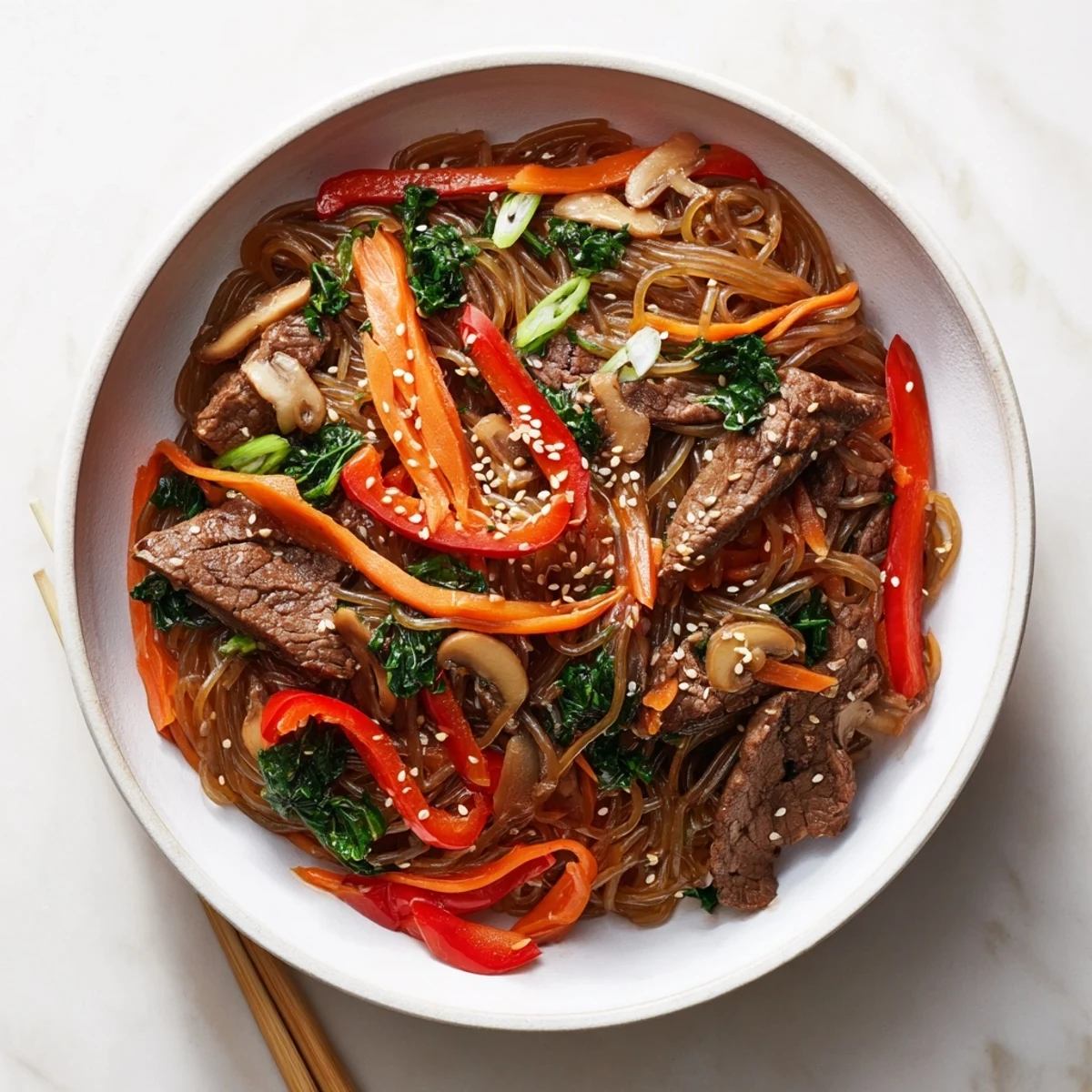
Save This dish brings together tender marinated beef, vibrant stir-fried vegetables, and chewy noodles coated in a rich Korean-inspired sauce. The gochujang-based sauce delivers a perfect balance of savory, sweet, and mildly spicy flavors that cling to every strand. Ready in just 40 minutes, these noodles offer restaurant-quality taste at home—ideal for busy weeknights when you want something satisfying but don't want to spend hours in the kitchen.
The steam curling up from my wok always catches me off guard, transporting me back to a tiny Seoul apartment where I first watched someone make these noodles. I was freezing in January, nose red from the cold, and the combination of sweet heat from gochujang and chewy dangmyeon felt like being hugged from the inside out. Now whenever rain taps against my kitchen windows, this is what I make.
Last summer I made this for friends who claimed they hated cilantro. I forgot to mention it was in the garnish until they were already halfway through their bowls, scraping up every last strand of noodle. Now they ask for it every time they come over, and Ive learned that the right combination of flavors can change even the most stubborn opinions about ingredients.
Ingredients
- 350 g beef sirloin or ribeye, thinly sliced: Freezing the beef for 20 minutes makes it effortless to cut paper thin slices that cook quickly and stay tender
- 1 tbsp soy sauce, 1 tsp sesame oil, 1 tsp sugar, 1 garlic clove: This quick marinade transforms the beef, giving it depth and ensuring every bite is flavorful from the inside out
- 300 g Korean sweet potato noodles or dried udon: Dangmyeon has that signature chewy bounce that makes Korean noodles so satisfying, but udon works beautifully too
- 1 medium carrot, 1 red bell pepper, 100 g shiitake mushrooms: These three create the perfect texture contrast, staying slightly crisp even after a quick stir fry
- 100 g baby spinach and 2 spring onions: Spinach wilts into silky ribbons while spring onions add fresh bites that cut through the rich sauce
- 3 tbsp soy sauce, 1 tbsp brown sugar, 1 tbsp gochujang: This trio forms the backbone of the sauce, balancing saltiness with caramel notes and fermented complexity
- 1 tbsp rice vinegar and 2 tsp sesame oil: The vinegar brightens everything while sesame oil adds that unmistakable nutty fragrance at the end
- 1 tsp grated ginger and 1 tbsp water: Fresh ginger brings zingy heat while water helps the sauce coat every strand evenly
- 1 tbsp toasted sesame seeds and fresh herbs: These finishing touches add crunch and a pop of color that makes the dish look as good as it tastes
Instructions
- Marinate the beef while you prep everything else:
- Toss the sliced beef with soy sauce, sesame oil, sugar, and minced garlic in a bowl, then let it sit for at least 10 minutes to absorb all those flavors
- Get your noodles ready:
- Boil the noodles according to the package, drain them, and give them a quick rinse under cold water so they stop cooking and dont stick together
- Whisk together your sauce:
- Combine soy sauce, brown sugar, gochujang, rice vinegar, sesame oil, water, and ginger in a small bowl until the sugar dissolves completely
- Stir fry the vegetables until just tender:
- Heat your wok over medium high heat, add a splash of oil, then sauté the carrot, bell pepper, and mushrooms for 3 to 4 minutes before tossing in the spinach and spring onions for another minute or two
- Sear the beef quickly:
- Crank up the heat and add the marinated beef to the hot wok, letting it brown for 2 to 3 minutes until cooked through but still juicy
- Bring everything together:
- Return the vegetables and noodles to the wok, pour in the sauce, and toss for 2 to 3 minutes until everything is glossy and coated in that beautiful red sauce
- Finish and serve:
- Divide the noodles among bowls and scatter sesame seeds and herbs on top, letting everyone customize with extra gochujang if they like more heat
 Save
Save My roommate in college used to request this on exam weeks, claiming the carbs helped her brain retain information better. I never fact checked that theory, but watching her face relax as she took that first steaming bite made me believe in the healing power of comfort food.
Finding the Right Heat Level
Gochujang varies wildly between brands, with some packing more punch than others. Start with the suggested tablespoon and taste your sauce before adding more, then let everyone adjust their own bowls at the table with extra paste if they want more fire.
Making It Your Own
Sometimes I swap in zucchini ribbons or snap peas depending on whats wilting in my crisper drawer. The sauce is forgiving enough that almost any vegetable works, and I love how the dish changes with the seasons while still tasting like itself.
Getting the Texture Right
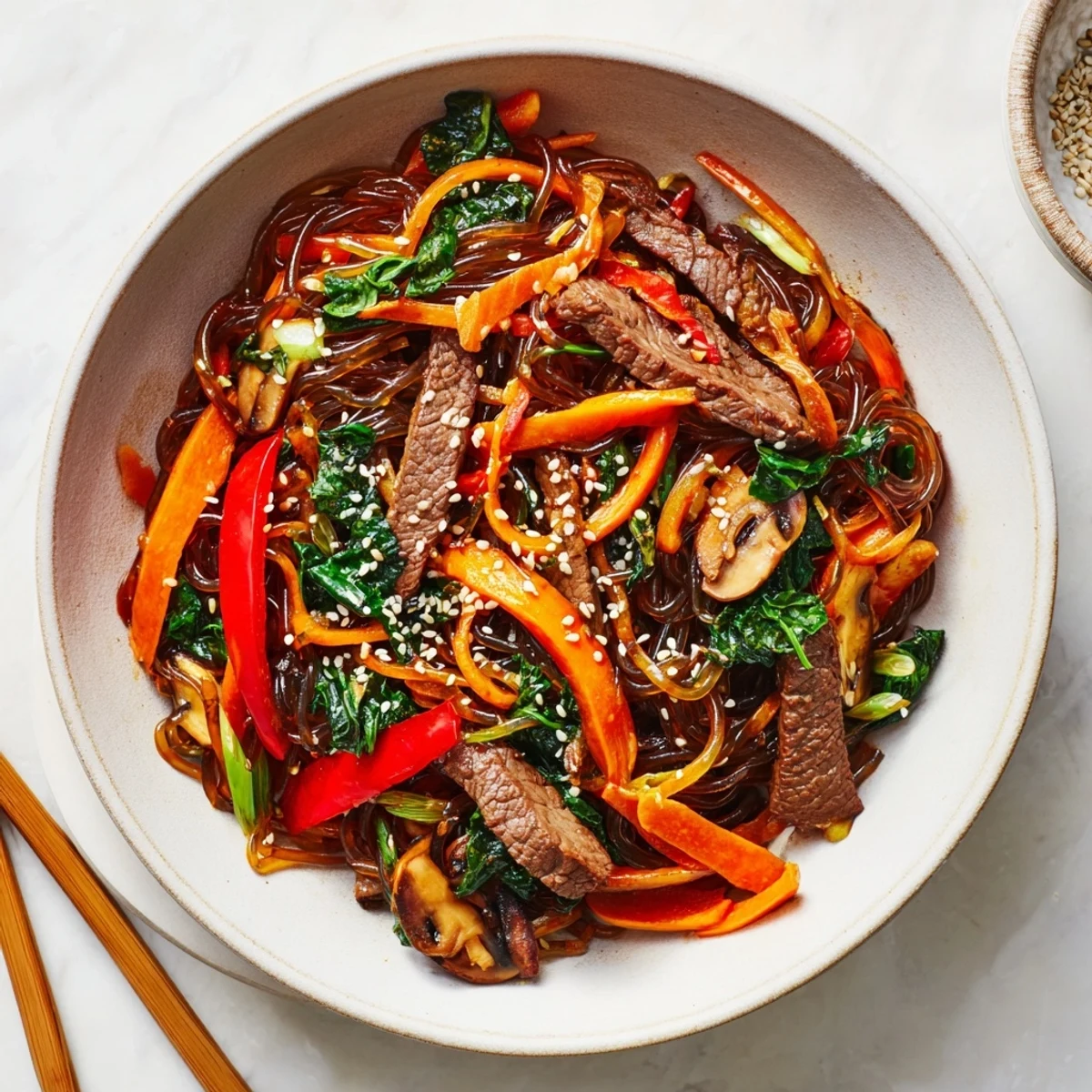
The contrast between tender beef, crisp vegetables, and chewy noodles is what makes each bite interesting. Resist the urge to overcook the vegetables, and pull the beef from the heat as soon as it loses its pinkness for the most tender results.
- Leftovers actually taste better the next day as the flavors deepen
- The noodles will absorb more sauce overnight, so add a splash of water when reheating
- This recipe doubles beautifully for meal prep or feeding a crowd
 Save
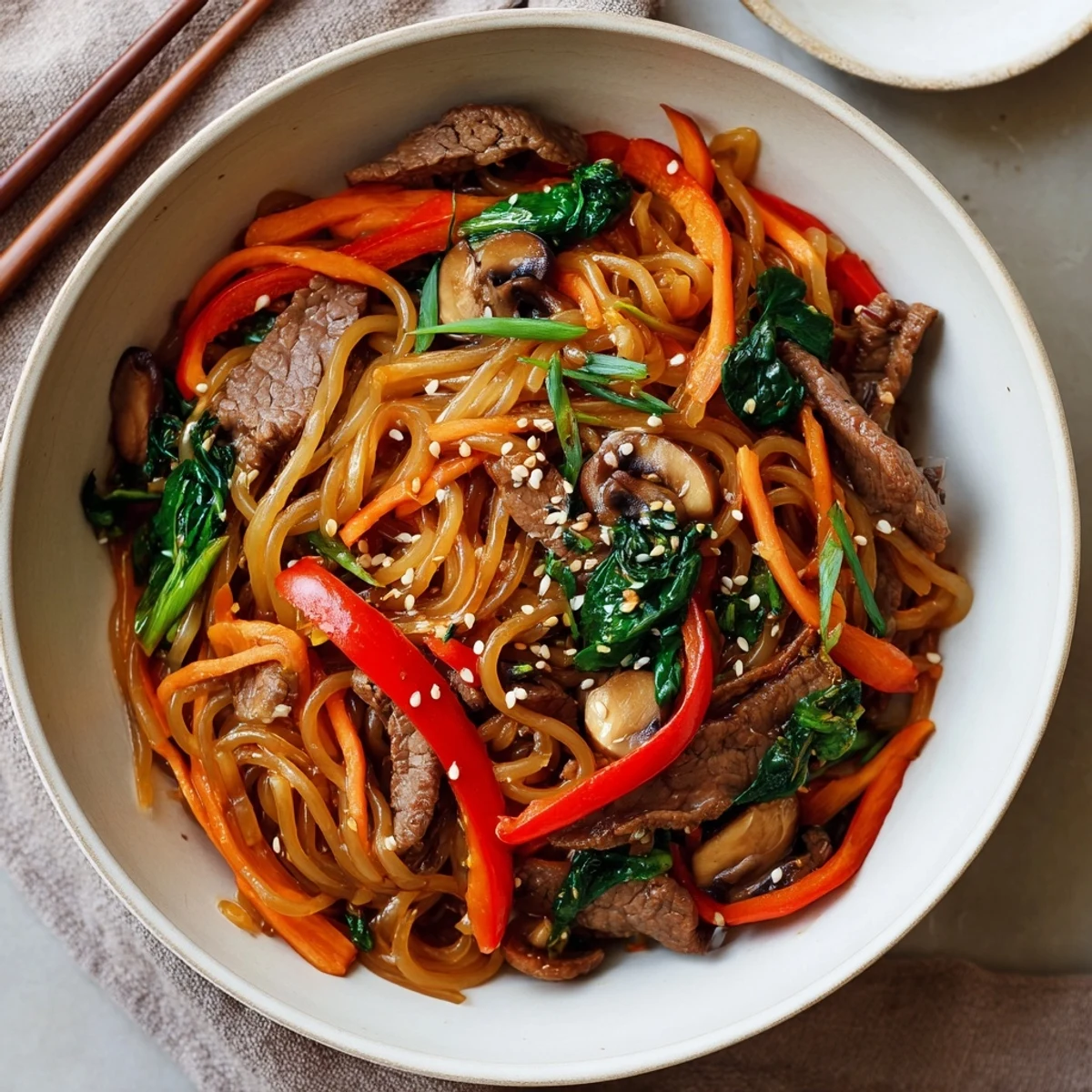
Save I hope this recipe finds its way into your regular rotation, bringing warmth and comfort to your table on busy weeknights and lazy weekends alike.
Recipe FAQs
- → Can I use other types of noodles?
-
Sweet potato noodles (dangmyeon) are traditional, but udon, rice noodles, or even spaghetti work well. Just adjust cooking time according to package instructions.
- → How spicy is this dish?
-
Gochujang provides mild to moderate heat. Reduce the amount for a milder version, or add chili flakes if you prefer more spice. The sauce is balanced with sweetness and acidity.
- → Can I make this vegetarian?
-
Absolutely. Replace the beef with firm tofu, seitan, or extra mushrooms. The sauce works perfectly with plant-based proteins and delivers the same bold flavors.
- → How do I store leftovers?
-
Store in an airtight container in the refrigerator for up to 3 days. Reheat gently in a pan with a splash of water to refresh the sauce. The noodles may absorb more sauce overnight.
- → What vegetables work best?
-
Carrots, bell peppers, mushrooms, and spinach create a nice mix of textures and colors. You can also add zucchini, broccoli, snap peas, or cabbage based on what's in season.