
 Save
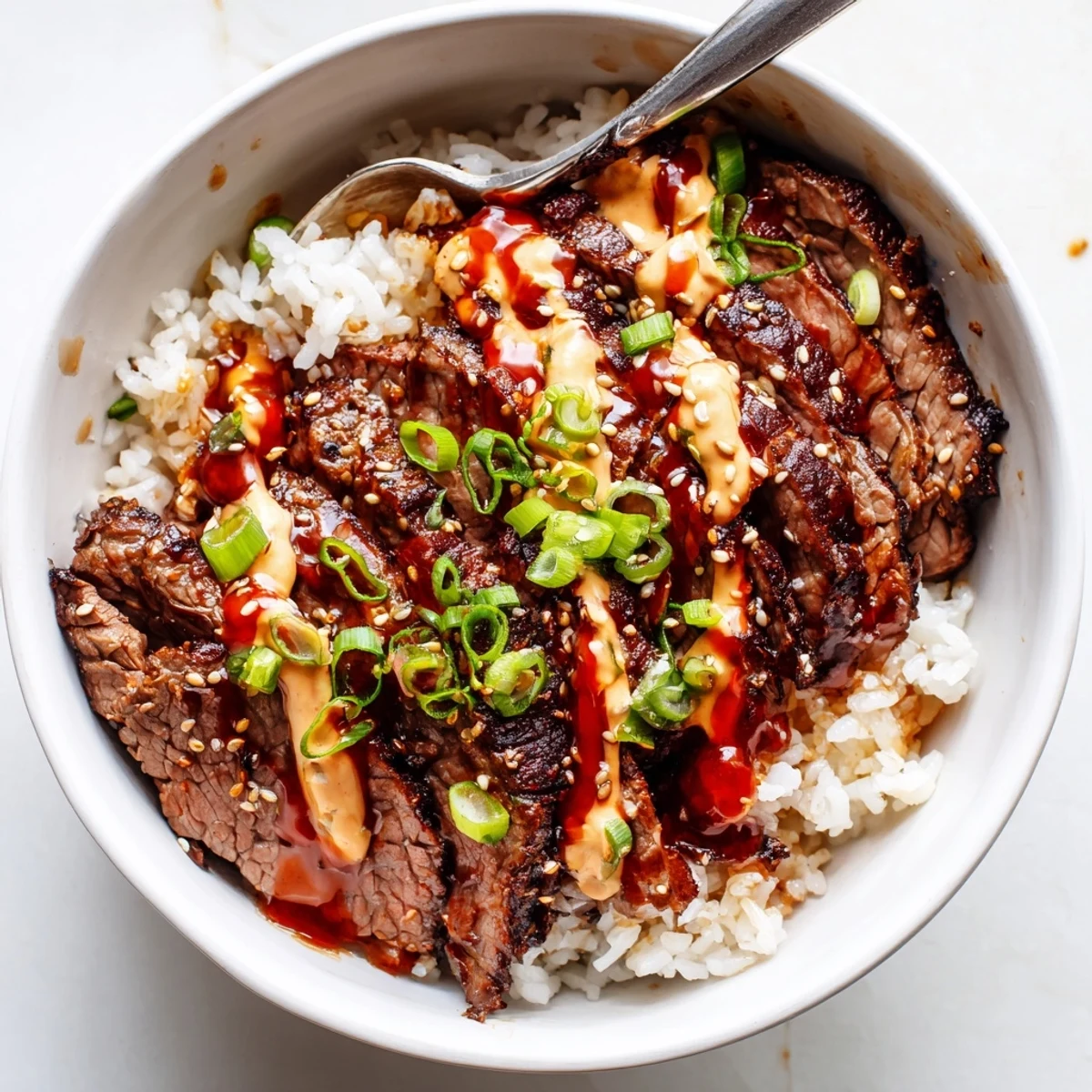
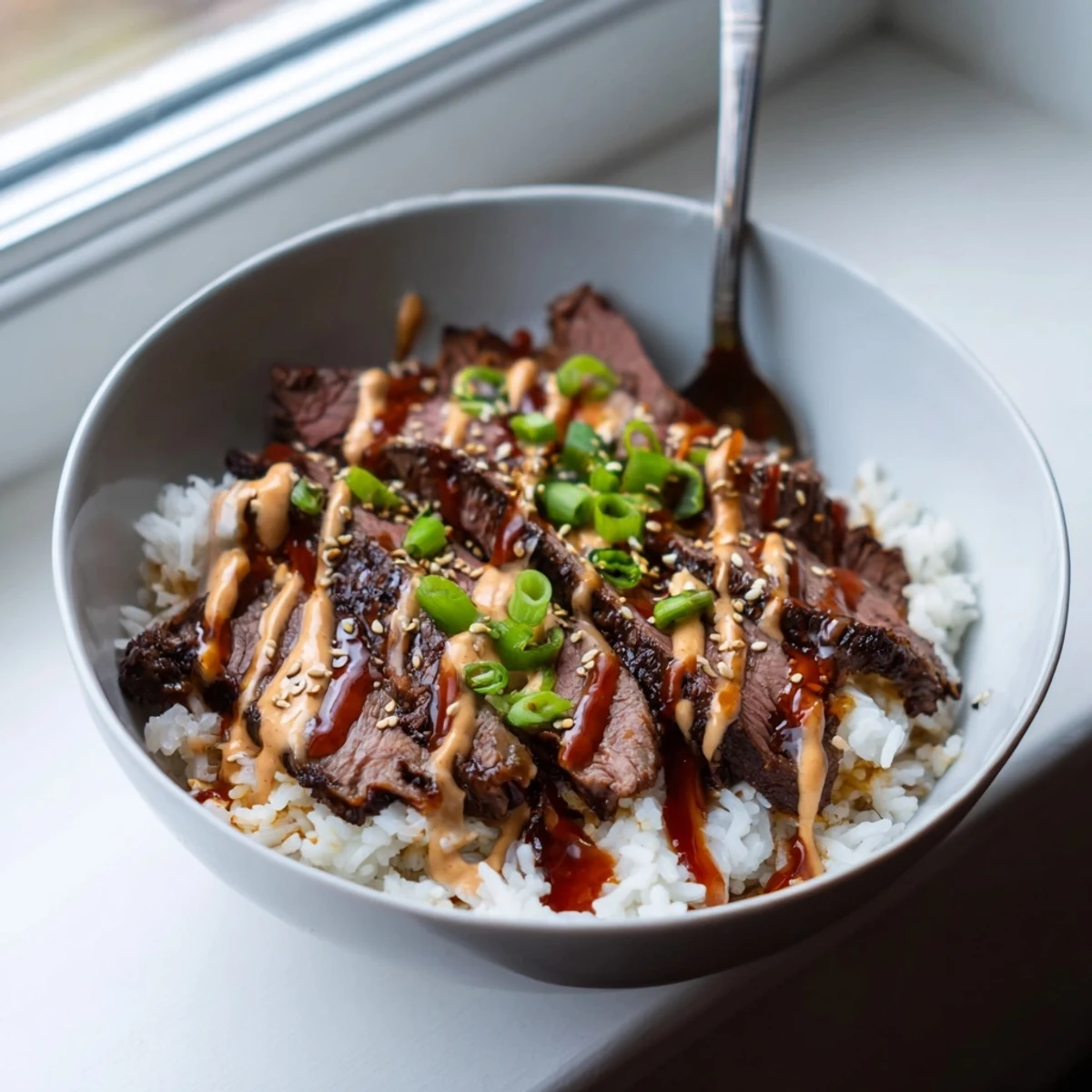
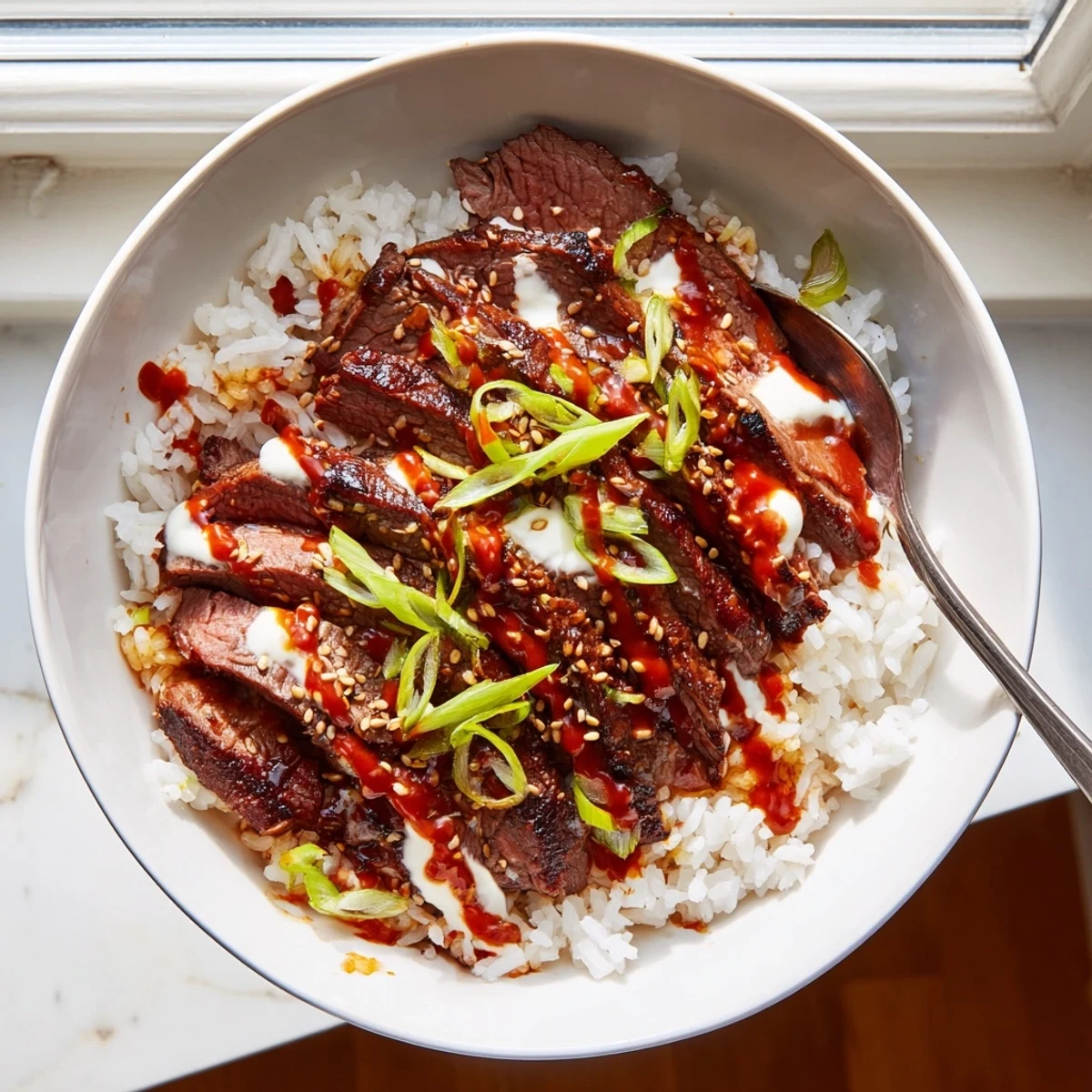
Save These Korean BBQ steak rice bowls bring together thinly sliced sirloin marinated in a savory-sweet blend of soy sauce, brown sugar, sesame oil, and gochujang. Served over warm jasmine rice with shredded carrots, julienned cucumber, chopped kimchi, and fresh greens, each bowl gets finished with a drizzle of spicy cream sauce made from mayo, Sriracha, lime juice, and honey. Ready in 45 minutes with 20 minutes of hands-off marinating time, this dish delivers bold Korean-inspired flavors with a satisfying balance of protein, carbs, and heat.
My roommate in college used to drag me to this tiny Korean spot tucked between a laundromat and a nail salon, and every single time I ordered their BBQ bowl like it was my only purpose in life. The sauce they drizzled on top was this smoky, creamy magic that I spent two years trying to reverse engineer in our cramped kitchen. I finally cracked it on a rainy Tuesday when I accidentally mixed mayo with gochujang instead of sour cream, and honestly that happy mistake changed my weeknight dinners forever.
I made these bowls for a group of friends after a long hike one Saturday and watched the whole table go silent after the first bite. One of them actually asked if I had been secretly taking cooking classes, which was both flattering and a little embarrassing because the hardest part was just slicing the steak thin enough.
Ingredients
- Beef sirloin or ribeye: Thinly sliced against the grain is nonnegotiable here because thick pieces turn chewy and you lose that beautiful caramelized edge that makes the whole bowl sing
- Soy sauce: The salty backbone of the marinade, and I learned to use low sodium so the brown sugar does not get overpowered
- Brown sugar: Helps the steak get that gorgeous mahogany crust when it hits the hot pan
- Sesame oil: Just a little goes a long way, and it gives the marinade that unmistakable Korean pantry fragrance
- Rice vinegar: Adds a bright sharpness that cuts through the richness of the beef and cream sauce
- Garlic and ginger: Fresh is the only way to go here, preminced garlic tastes flat and sad next to the real thing
- Gochujang: The soul of the marinade, this fermented chili paste brings depth that plain hot sauce cannot replicate
- Jasmine or short-grain rice: Short grain is stickier and holds everything together better, but jasmine works if that is what you have
- Shredded carrots and julienned cucumber: These crunchy vegetables break up the soft textures and keep every forkful interesting
- Kimchi: Adds a fermented tang that makes the bowl feel complete and authentically Korean
- Mayonnaise: The base of the cream sauce, full fat gives the best velvety texture
- Sriracha or extra gochujang: Adjust this to your heat tolerance because the cream sauce should tingle not punish
- Lime juice and honey: Together they balance the heat and richness into something you want to eat with a spoon
Instructions
- Marinate the steak:
- Whisk together soy sauce, brown sugar, sesame oil, rice vinegar, garlic, ginger, black pepper, sliced green onions, and gochujang until the sugar dissolves. Toss in the thinly sliced steak and let it sit for at least 20 minutes, though I always try to give it a full hour when I remember to plan ahead.
- Cook the rice:
- Rinse the rice under cold water until it runs clear, then combine it with water and a pinch of salt in a pot. Bring to a boil, drop the heat to low, cover tightly, and let it steam for about 15 minutes before leaving it alone off the heat for another 5 minutes.
- Whisk together the spicy cream sauce:
- Combine mayonnaise, Sriracha or gochujang, lime juice, and honey in a small bowl until completely smooth. Pop it in the fridge so the flavors meld while you handle the hot stuff.
- Sear the steak:
- Get a skillet ripping hot over medium high heat and cook the steak in small batches, about one to two minutes per side. Resist the urge to crowd the pan or the meat will steam instead of sear and you will miss out on those caramelized edges.
- Build the bowls:
- Divide warm rice between four bowls and arrange the steak, shredded carrots, cucumber, kimchi, and greens on top. Drizzle generously with the spicy cream sauce and finish with toasted sesame seeds and sliced green onion.
 Save
Save There was a night last winter when I made these bowls after a terrible day at work and something about the combination of hot rice, seared beef, and that cool spicy sauce just reset my entire mood. Food does not fix everything, but this particular bowl gets pretty close.
Choosing the Right Cut of Beef
I have tested this with sirloin, ribeye, and even flank steak, and ribeye wins by a mile because the marbling melts into the marinade and creates this incredible juicy tenderness. Sirloin is more budget friendly and still excellent, just do not skip the against the grain slicing or you will be chewing all night.
Building Flavor in the Marinade
The trick I picked up from watching Korean cooking videos is to dissolve the brown sugar completely before adding the meat, because gritty sugar does not cling evenly and you end up with sweet spots instead of balanced flavor. Grating the ginger on a microplane instead of chopping it also releases way more of those aromatic oils that permeate the beef.
Making It Your Own
Once you have the basic bowl down it becomes a template you can riff on endlessly depending on what is in your fridge or who is sitting at your table.
- A runny fried egg on top turns this into a meal that feels almost decadent
- Swap the beef for chicken thighs or pressed tofu and adjust the marinade time slightly
- If you need it gluten free, tamari works as a one for one soy sauce replacement
 Save
Save These bowls have become my go to when I want something that feels special but does not require me to be a better cook than I actually am. Grab a cold drink, pile everything high, and do not be shy with that sauce.
Recipe FAQs
- → What cut of beef works best for these bowls?
-
Sirloin or ribeye sliced thinly works best. Both take on marinade well and sear quickly while staying tender.
- → How long should the steak marinate?
-
At least 20 minutes for good flavor, but up to 2 hours in the fridge will give you a deeper, more developed taste.
- → Can I make the spicy cream sauce ahead of time?
-
Yes. Whisk the sauce together and refrigerate for up to 3 days. The flavors actually meld and improve with a little rest.
- → Is there a gluten-free option?
-
Swap regular soy sauce for tamari and verify that your gochujang is gluten-free. Everything else in the bowl is naturally gluten-free.
- → What protein substitutes work besides beef?
-
Chicken breast or firm tofu both absorb the marinade beautifully. Adjust cooking time accordingly—chicken needs a few extra minutes per side.
- → How do I prevent the steak from overcooking?
-
Sear in batches over medium-high heat, 1 to 2 minutes per side max. Don't crowd the pan or the steak will steam instead of caramelize.