
 Save
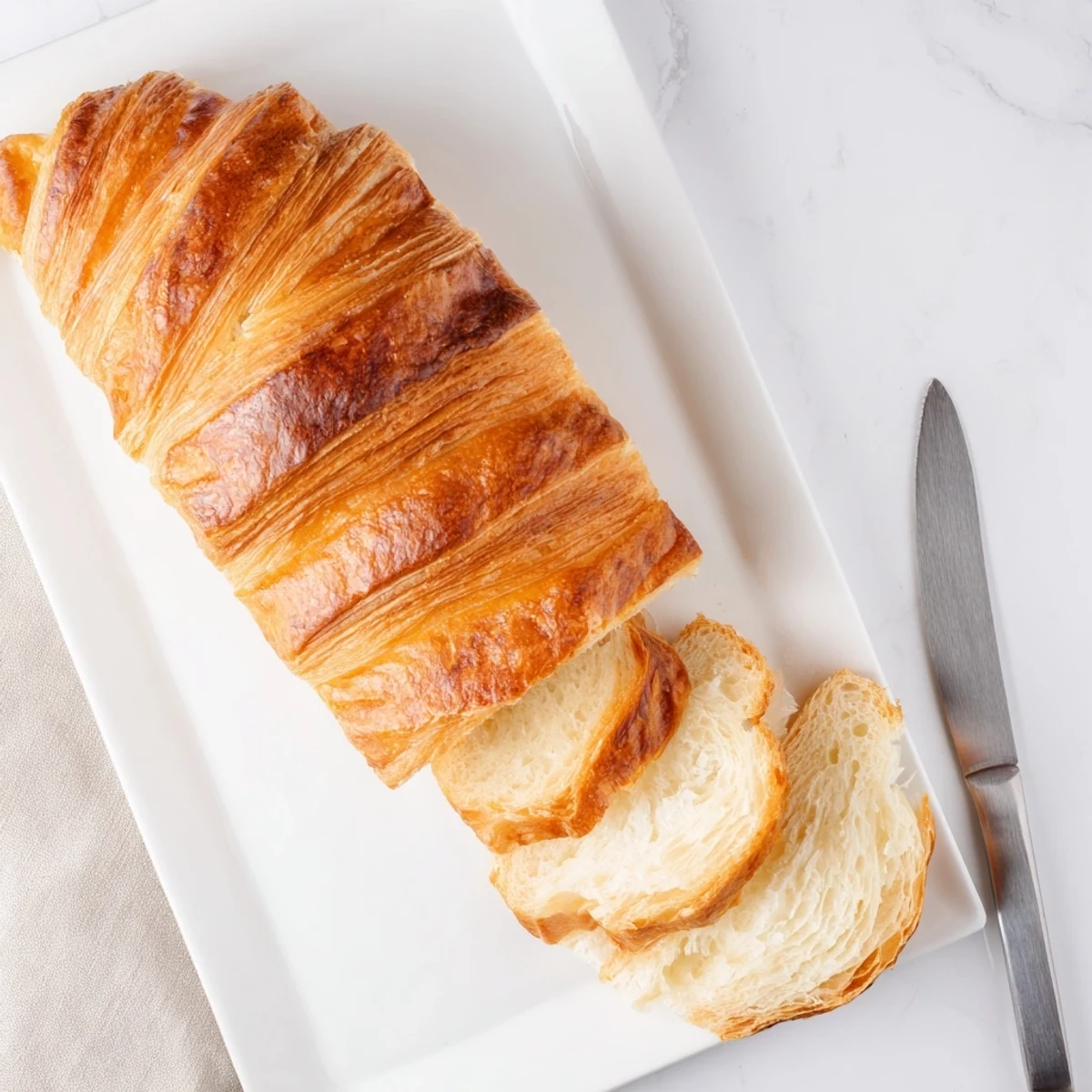
Save Craft a stunning French-inspired loaf that brings all the buttery, flaky magic of traditional croissants into a bread perfect for toasting and slicing. The process involves creating laminated dough through careful folding and chilling, resulting in those signature airy layers we all love.
Plan ahead as this requires multiple chill periods totaling about 4 hours from start to finish. The technique involves folding cold butter into enriched dough, then rolling and folding three times to create hundreds of delicate layers. While the process takes time, the result is absolutely worth it—a golden loaf that shimmers with butter and pulls apart in tender shards.
Serve warm with honey or jam, or toast slices for extra crispy edges. The dough can also be enhanced with cinnamon sugar before rolling for a sweet variation that transforms this into an indulgent morning treat.
The morning fog had barely lifted when I pulled this golden loaf from the oven, my kitchen already smelling of warm butter and yeast. My roommate stumbled in, half-asleep, asking what bakery had opened in our apartment at 7 AM. That first slice, still steaming, revealed those signature honeycomb layers inside—sheer magic that somehow emerged from my tiny countertop.
I made this for a holiday brunch last winter, watching my friends faces light up as they sliced through that crackling crust. Someone actually asked if I had hidden a French pastry chef in my pantry. The secret is just patience and keeping everything cold—something I learned after three failed attempts where my butter melted into the dough.
Ingredients
- All-purpose flour: Provides structure while keeping the crumb tender enough for those signature layers
- Instant yeast: Reliable and fast-acting, no proofing needed for this lazy morning approach
- Cold unsalted butter: The absolute hero of the show—keep it refrigerator-cold or those layers will disappear into greasy disappointment
- Whole milk: Adds richness and helps create that golden, bakery-style crust
- Eggs: One for the dough, one for that gorgeous professional shine on top
Instructions
- Mix the dough:
- Combine flour, sugar, salt and yeast in a large bowl, keeping yeast separate from salt. Add warm milk, melted butter and one egg, mixing until sticky but smooth.
- Knead and rise:
- Knead for 7 to 10 minutes until the dough bounces back when pressed. Cover and let double in size, about one hour.
- First chill:
- Punch down the dough, shape into a rectangle and refrigerate for 30 minutes to firm up—this step makes rolling easier.
- Layer the butter:
- Roll chilled dough into a 12 by 16 inch rectangle. Arrange cold butter slices over two-thirds of the surface.
- First fold:
- Fold the unbuttered third over the butter, then fold the remaining third on top like a letter. Rotate 90 degrees so the open edges face you.
- Second roll and fold:
- Roll again to 12 by 16 inches, fold into thirds, wrap and chill for 30 minutes.
- Complete the turns:
- Repeat the rolling, folding and chilling two more times for a total of three turns—this creates those magnificent flaky layers.
- Shape the loaf:
- After the final chill, roll dough to 8 by 16 inches and roll tightly from the short end into a loaf.
- Final rise:
- Place seam-side down in a greased loaf pan. Cover and let rise until doubled, about one hour.
- Bake to golden:
- Brush with egg wash mixed with milk. Bake at 375°F for 35 to 40 minutes until deeply golden and hollow-sounding.
- Cool completely:
- Let rest in the pan for 10 minutes, then transfer to a wire rack. Cooling fully before slicing is crucial or the steam will escape and make the bread gummy.
 Save
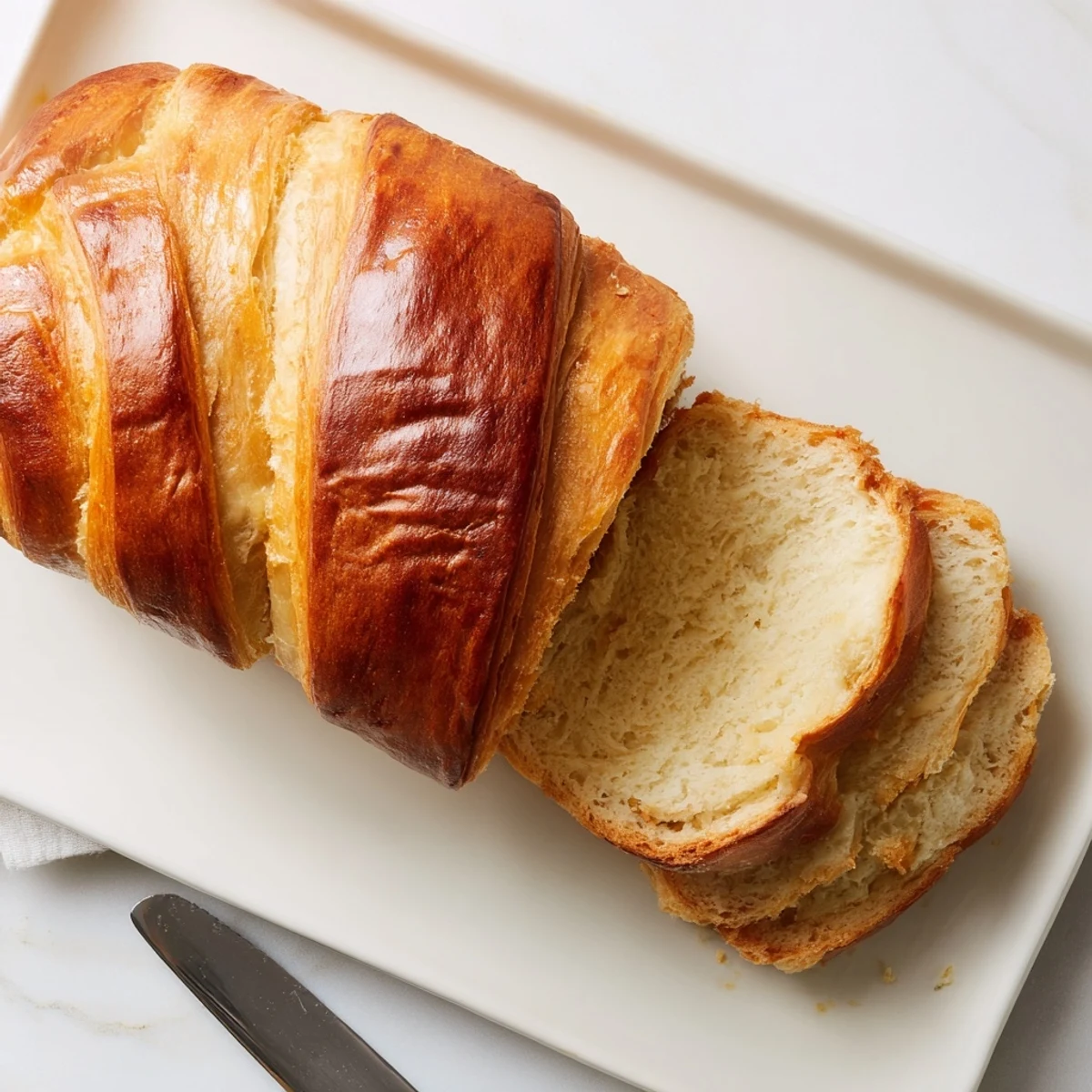
Save This bread became my go-to for housewarming gifts after that first successful loaf. Something about handing someone a warm, flaky creation that took hours but looks effortlessly impressive just feels like pure love.
The Science of Lamination
Those butter-dough layers create steam pockets during baking, puffing up into the flaky texture we associate with French bakeries. The key is keeping everything cold so the butter stays in distinct layers rather than melting into the dough. Each fold creates exponential layers—by the final turn, you have hundreds waiting to expand in the oven heat.
Make It Your Own
Sprinkle cinnamon sugar over the buttered dough before folding for a sweet variation that tastes like a cinnamon croissant hybrid. You could also add chocolate chunks or chopped nuts, though keep the amount modest so the layers can still form properly. Just press any additions gently into the butter so they do not tear through the dough.
Storage and Serving
This bread keeps surprisingly well at room temperature for up to two days, wrapped tightly in plastic. For longer storage, slice and freeze individually—those slices go straight from freezer to toaster for an emergency fancy breakfast. The texture actually benefits from a quick toasting, refreshing the crisp exterior and warming the tender interior.
- Serve with salted butter and good jam for the classic experience
- Try with honey and sea salt for something simple but luxurious
- French toast made from day-old slices is absolutely transcendent
 Save
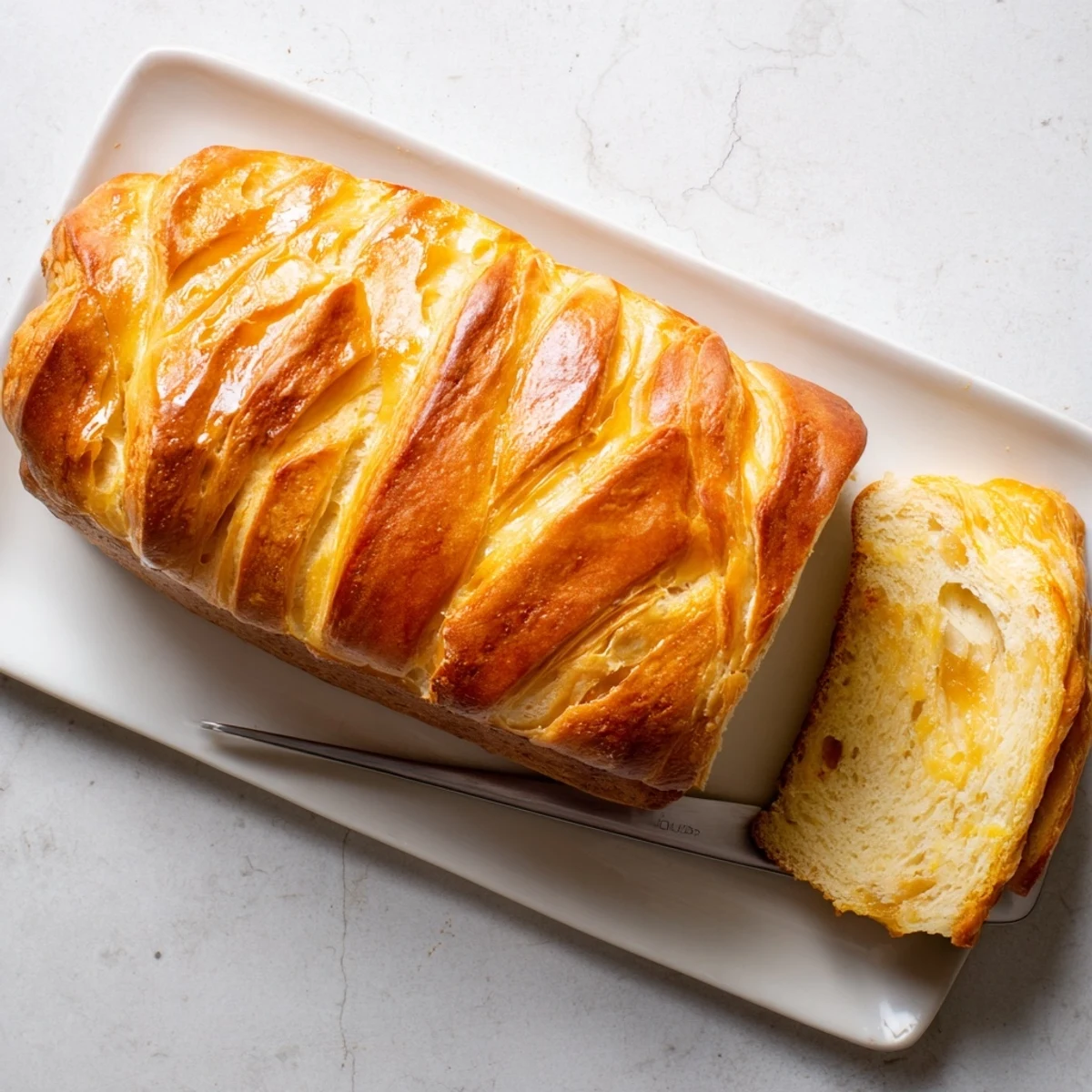
Save There is something deeply satisfying about pulling this loaf from the oven, knowing you created bakery-level beauty in your own kitchen. Each buttery, flaky slice feels like a small victory worth savoring.
Recipe FAQs
- → What makes croissant bread different from regular bread?
-
The laminating process creates hundreds of buttery layers throughout the dough. Unlike standard bread, this technique involves folding cold butter into the dough multiple times, resulting in those signature flaky, tender layers that pull apart beautifully when sliced.
- → Can I skip the chilling steps?
-
The chilling periods are essential for keeping the butter cold and firm. If the butter melts into the dough, you'll lose those delicate layers and end up with a dense bread rather than flaky perfection. Each rest period ensures proper lamination.
- → How do I know when the loaf is done baking?
-
Look for a deep golden-brown crust and listen for a hollow sound when you tap the top. The internal temperature should reach about 190°F. If the top browns too quickly, tent with foil to prevent burning while the center finishes.
- → Can I make this dough ahead of time?
-
Yes, you can refrigerate the dough overnight after the final fold. Let it come to room temperature for about 30 minutes before rolling into the loaf shape. This actually improves flavor development and makes fitting the process into your schedule easier.
- → Why did my layers collapse?
-
This usually happens when the butter gets too warm during rolling, causing it to melt into the dough rather than staying in separate layers. Work quickly, keep your workspace cool, and never skip the recommended chilling periods between folds.
- → Can I freeze the baked loaf?
-
Absolutely! Wrap the cooled loaf tightly in plastic wrap and aluminum foil, then freeze for up to 3 months. Thaw at room temperature, then refresh in a 350°F oven for 10 minutes to restore that freshly baked crispiness.