
 Save
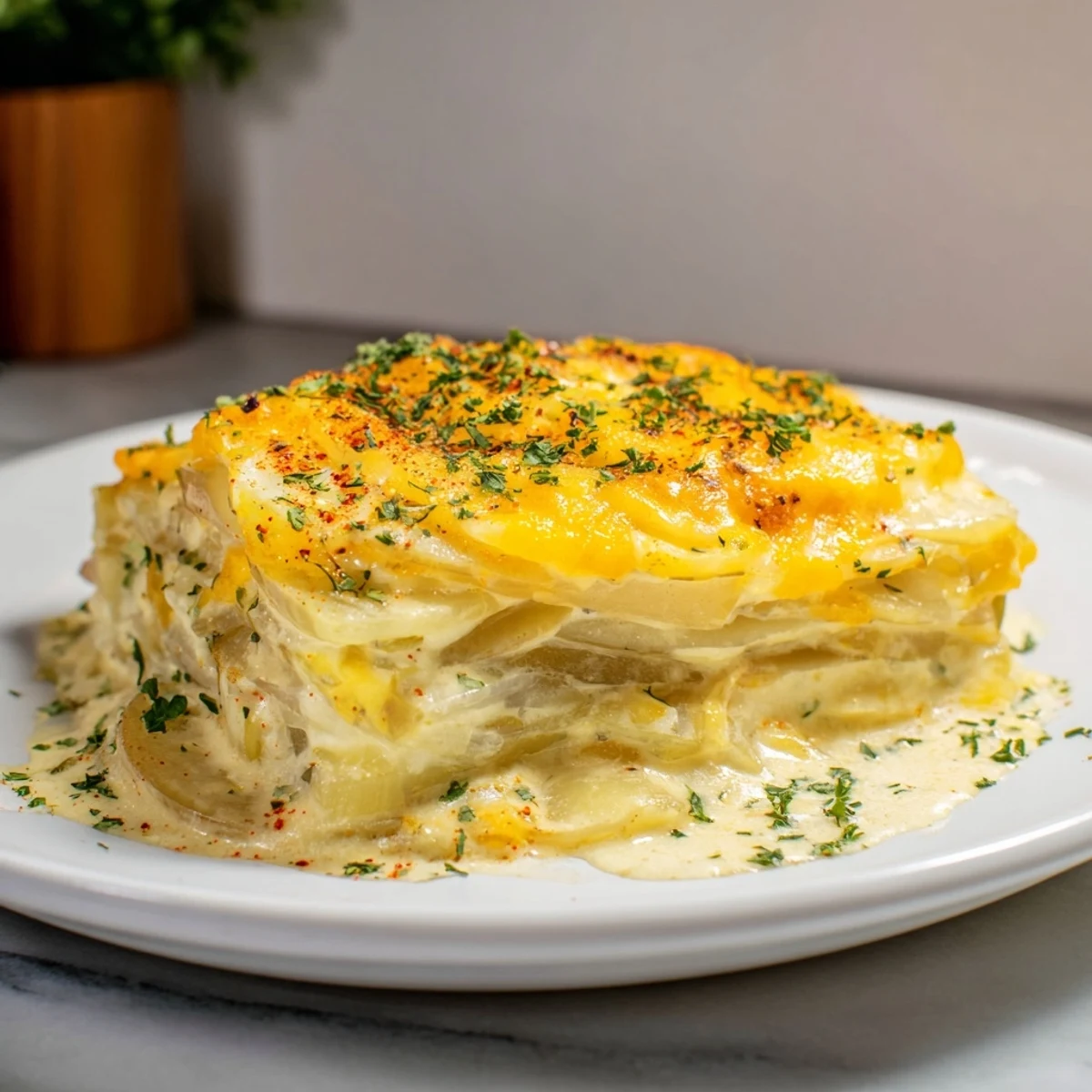
Save These velvety scalloped potatoes transform in your slow cooker, emerging with tender layers of thinly sliced Yukon Gold or Russet potatoes nestled in a rich, creamy cheese sauce. The gentle, low-and-slow cooking method allows the flavors to meld beautifully while the potatoes become perfectly fork-tender without any stirring or watching required.
What makes these exceptional is the homemade roux-based sauce infused with fragrant garlic and loaded with sharp cheddar that seeps between every overlapping layer. The result is an irresistibly creamy, cheesy dish with golden edges and a velvety texture that delivers pure comfort in every bite.
The smell of butter and garlic melting together stopped me in my tracks. My grandmother stood by her stove, whisking cream into a roux with the kind of patience I didn't possess at eighteen. She was making scalloped potatoes the old-fashioned way, but she leaned over and whispered that her slow cooker had been doing the heavy lifting for years. That afternoon changed how I thought about comfort food forever.
Last Thanksgiving, my sister called me in a panic because her oven was broken. I talked her through throwing these potatoes in the slow cooker instead, and they were the first dish to disappear. Now she won't make them any other way, and honestly, neither will I.
Ingredients
- Yukon Gold or Russet potatoes: I prefer Yukon Gold for their buttery texture, but Russets hold their shape beautifully during long cooking
- Sharp cheddar cheese: The extra sharpness cuts through all that creaminess and adds depth you cannot get from mild cheese
- Heavy cream and whole milk: This combination creates the silkiest sauce without becoming too heavy
- Garlic and onion: These aromatics build a foundation of flavor that infuses every single layer
- Butter and flour: Essential for creating that velvety roux that thickens the sauce perfectly
Instructions
- Prepare your canvas:
- Generously butter the inside of your slow cooker insert, paying special attention to the bottom and corners where sticking happens most.
- Build the foundation:
- Melt butter in a small saucepan over medium heat, add minced garlic, and let it cook until fragrant, about one minute. Stir in flour and cook for another minute, then gradually whisk in the cream and milk until smooth.
- Create the sauce:
- Bring the mixture to a gentle simmer, remove from heat, and stir in salt, pepper, and half the cheddar until melted. This sauce will coat every potato slice in creamy goodness.
- Layer with love:
- Arrange half the sliced potatoes in the slow cooker, overlapping them slightly. Top with half the chopped onion and half the remaining cheese, then pour half the sauce over everything.
- Repeat and season:
- Layer remaining potatoes, onion, cheese, and sauce. Sprinkle paprika on top if you want that golden, appetizing color.
- Let time work its magic:
- Cover and cook on high for 4 hours or low for 7 hours, until potatoes are tender when pierced with a fork.
- The waiting game:
- Let rest for 10 minutes before serving, which helps the sauce set slightly and makes serving much easier.
 Save
Save My husband once tried to rush these and served them immediately. The potatoes were delicious, but the sauce was too thin and pooled everywhere. Now we always set a timer for those ten minutes, and the difference is remarkable.
Making It Your Own
Bacon between layers adds smoky depth that takes these potatoes from great to unforgettable. I learned this trick during a Sunday brunch when my friend crumbled cooked bacon into her version, and nobody could stop talking about it.
Cheese Choices
While sharp cheddar is classic, Gruyère brings nutty sophistication that pairs beautifully with roasted meats. Sometimes I use half cheddar and half Gruyère for the best of both worlds.
Timing Is Everything
You can assemble everything the night before and refrigerate, which actually helps the flavors meld together. Just add about 30 minutes to the cooking time if starting from cold.
- Check doneness at the 3 hour mark on high
- The potatoes should offer no resistance when pierced
- A little liquid on top is normal and will absorb during resting
 Save
Save There is something deeply satisfying about a dish that requires so little effort yet delivers such immense comfort. These potatoes have become my answer to every potluck invitation and holiday request.
Recipe FAQs
- → What type of potatoes work best for scalloped potatoes?
-
Yukon Gold potatoes are ideal because they hold their shape beautifully while becoming tender. Russet potatoes also work well and create a creamier texture. Avoid waxy varieties like red potatoes, as they won't soften as much during slow cooking.
- → Can I prepare this dish ahead of time?
-
Yes! You can assemble everything in the crockpot insert, cover tightly, and refrigerate for up to 24 hours before cooking. Let it sit at room temperature for about 20 minutes before turning on the slow cooker, and add 30-60 minutes to the cooking time since it starts cold.
- → Why do my potatoes turn gray or brown?
-
This happens when potatoes are exposed to air due to oxidation. To prevent this, slice your potatoes directly into a bowl of cold water with a splash of lemon juice or vinegar. Drain and pat them dry before layering in the crockpot.
- → Can I use different cheeses?
-
Absolutely! While sharp cheddar provides wonderful flavor, Gruyère adds a nutty richness, Swiss brings mild creaminess, or try a blend of Monterey Jack and Parmaran. For extra depth, mix multiple cheeses—just keep the total measurement the same.
- → How do I know when the potatoes are done?
-
Insert a paring knife or fork into the center of the crockpot—it should slide through the potato layers with absolutely no resistance. The potatoes should be meltingly tender, and the sauce should be bubbling thickly around the edges.
- → Why is my sauce too thin or runny?
-
This can happen if there's excess moisture from the potatoes or if the sauce wasn't simmered long enough to thicken initially. To fix, remove the lid for the last 30-60 minutes of cooking to allow excess liquid to evaporate, or stir in a slurry of 1 tablespoon flour mixed with 2 tablespoons of water.