
 Save
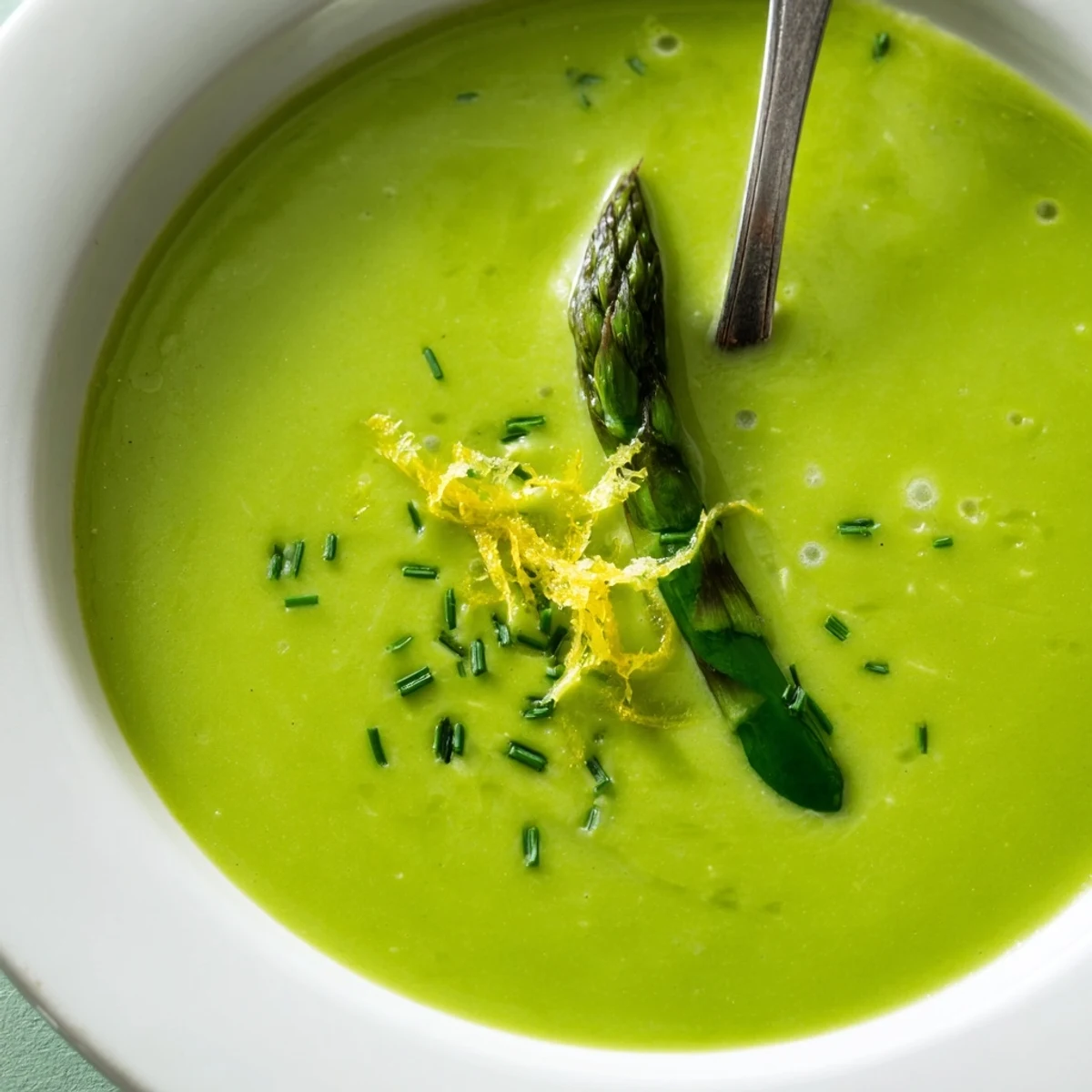
Save This silky asparagus dish combines tender vegetable pieces simmered in a rich broth, finished with cream and fresh lemon zest for brightness. Aromatic onions and garlic add depth, while seasoning with nutmeg and black pepper provides subtle warmth. Topped with reserved asparagus tips and fresh herbs, it serves as a refreshing and elegant starter ideal for spring. Adjust creaminess or add baby spinach for extra color and nutrition, pairing beautifully with a crisp white wine.
There's something about the first warm day of spring that makes me want to make soup—which sounds backwards until you taste this one. My neighbor stopped by with a bunch of fresh asparagus from her garden, and I remember standing in my kitchen, holding those vivid green spears, suddenly craving something silky and bright instead of the heavy comfort foods I'd been living on all winter. That afternoon became the start of this soup, a dish that somehow tastes like both spring arriving and the relief of letting go of the cold.
I made this for my mother-in-law the first time, honestly because I wanted to impress her without spending hours in the kitchen. She tasted it, closed her eyes for a moment, and said it reminded her of eating in a small café in Provence years ago—which wasn't my intention at all, but it became the whole point. Now whenever she visits in spring, she reminds me to make it, and I love that this soup bridges something between her memory and my kitchen.
Ingredients
- Fresh asparagus (1 lb, trimmed and cut into 1-inch pieces): Look for bright green spears that snap when you bend them—that snap tells you they're fresh and worth the effort. Save a few tips for garnish if you want something pretty on top.
- Yukon Gold potato (1 medium, peeled and diced): This starch is what makes the soup silky without needing cream to do all the work, and it keeps the flavor clean instead of heavy.
- Yellow onion (1 medium, chopped) and garlic (2 cloves, minced): The foundation that makes everything taste like it belongs together; don't skip the sautéing step because that caramelization is where the flavor actually happens.
- Vegetable broth (4 cups): Use something you'd actually drink on its own—the broth becomes the soup, so cheap broth makes cheap-tasting soup.
- Heavy cream (1 cup): Added at the end to keep the lemon from feeling too sharp; this is what turns it from vegetable soup into something you serve on a nice plate.
- Unsalted butter (2 tbsp): The starting point for everything; it carries the flavors of the onion and garlic into the rest of the soup.
- Lemon juice (2 tbsp) and lemon zest (1 tsp): The soul of this dish—the juice adds brightness and the zest gives you those little pockets of flavor that remind you why you made it.
- Nutmeg (1/4 tsp, freshly grated): Just enough to whisper in the background; it's the secret that makes people ask what that flavor is without you telling them.
- Salt and pepper (1/2 tsp and 1/4 tsp): Season as you go, then taste at the end because cream can sometimes mask salt and you'll need to adjust.
Instructions
- Start with the base:
- Melt butter in a large saucepan over medium heat, then add your chopped onion and minced garlic. Let them soften for 3 to 4 minutes, stirring now and then—you're listening for when the kitchen starts smelling like something good is happening, not rushing it.
- Add the vegetables:
- Toss in the asparagus and diced potato, giving everything a stir for 2 to 3 minutes. You're not cooking them through yet; you're just waking them up and letting them get to know the butter.
- Build the soup:
- Pour in your vegetable broth and bring it to a boil, then turn the heat down and let it simmer uncovered for 15 to 18 minutes until the vegetables are so tender they fall apart when you look at them. This is when you can step away and do something else, or just stand there and smell it.
- Make it smooth:
- Once everything is tender, use an immersion blender to purée the soup until it's completely silky—or carefully transfer it in batches to a countertop blender if you don't have an immersion blender. The soup should look like it has no vegetables left in it, just velvet.
- Finish and taste:
- Return the soup to low heat and stir in the cream, lemon juice, lemon zest, nutmeg, salt, and pepper all at once. Let it warm through gently without boiling, then taste it—this is the moment you adjust everything to your preference because lemon and salt are very personal.
- Serve with care:
- Ladle into bowls and top with those reserved asparagus tips and a scatter of fresh chives or dill if you have them, then eat while it's still warm and the lemon is bright.
 Save
Save I remember my daughter asking why this soup was green if asparagus was green, which made me laugh and realize I'd never actually thought about why it wasn't the usual cream soup color. When she tasted it, she asked for a second bowl, and that moment—when something you made turns into someone else's favorite without any fanfare—that's when you know you're onto something real.
Why This Soup Works Right Now
Spring soups get a reputation for being light and delicate, but this one is silky enough to feel like dinner instead of just an appetizer. The potato does the heavy lifting on texture while the asparagus keeps everything tasting fresh, and the lemon makes sure it never feels one-note or boring. It's the kind of soup that makes you feel like you cooked something a little fancy without actually having to stress about technique.
Variations and Flexibility
This soup welcomes changes depending on what you have or what you're in the mood for. Spinach, peas, or herbs like tarragon or chervil can swap in alongside the asparagus without throwing off the balance. If you want it vegan, coconut cream or any plant-based cream works beautifully, and olive oil has a flavor all its own that makes it worth the substitution—not a compromise, just a different version of delicious.
- Fresh herbs like dill, chives, or a tiny bit of tarragon stirred in at the end add personality without changing the foundation.
- A splash of white wine when you add the broth brings minerality and pairs perfectly with the lemon if you're cooking for someone who notices those things.
- If you make it vegan, the coconut cream version tastes almost richer than the dairy version, so you might use a touch less.
A Soup That Keeps Giving
This is one of those soups that tastes different depending on what you bring to it—some days it's a quiet lunch, other days it's the opening course for something bigger. It stores beautifully in the refrigerator for a few days, and it reheats gently on the stove, making it the kind of recipe that rewards you for thinking ahead.
 Save
Save There's a particular satisfaction in spooning soup into a bowl and watching someone taste something you made with your own hands and a handful of spring vegetables. This one does that every time.
Recipe FAQs
- → What is the best way to prepare asparagus for this dish?
-
Trim and cut fresh asparagus into 1-inch pieces to ensure even cooking and tenderness in the final dish.
- → Can I use a different type of cream?
-
Yes, heavy cream is recommended for richness, but plant-based creams work well for dairy-free variations without compromising texture.
- → How do I achieve the smooth texture?
-
Blend the cooked vegetables thoroughly using an immersion or countertop blender until completely smooth for the creamy consistency.
- → What seasonings enhance the flavor best?
-
Fresh lemon juice and zest provide brightness, while nutmeg, salt, and black pepper add warmth and balance to the flavors.
- → Is it possible to make this dish vegan?
-
Yes, substitute butter with olive oil and heavy cream with coconut or plant-based cream alternatives to maintain richness.