
 Save
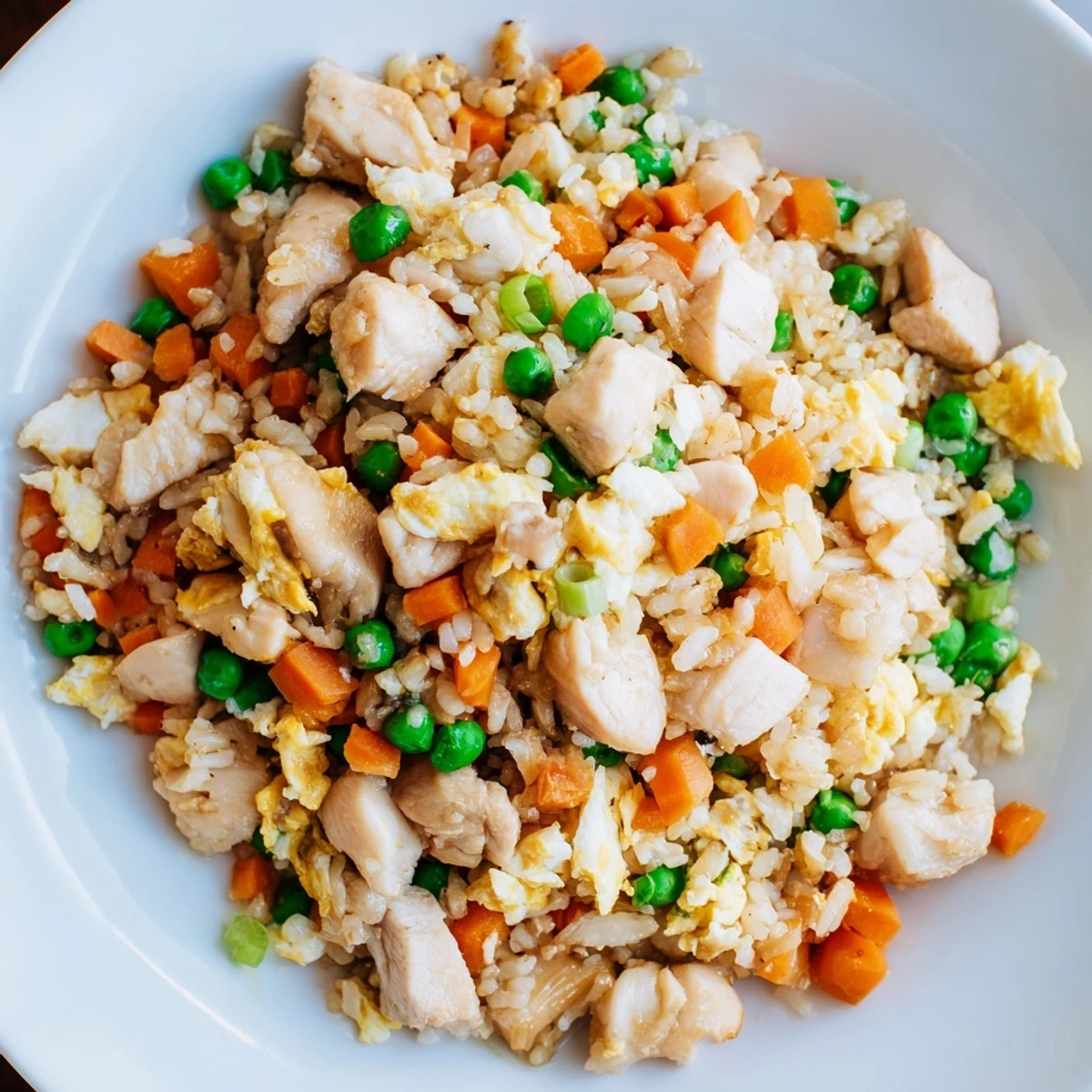
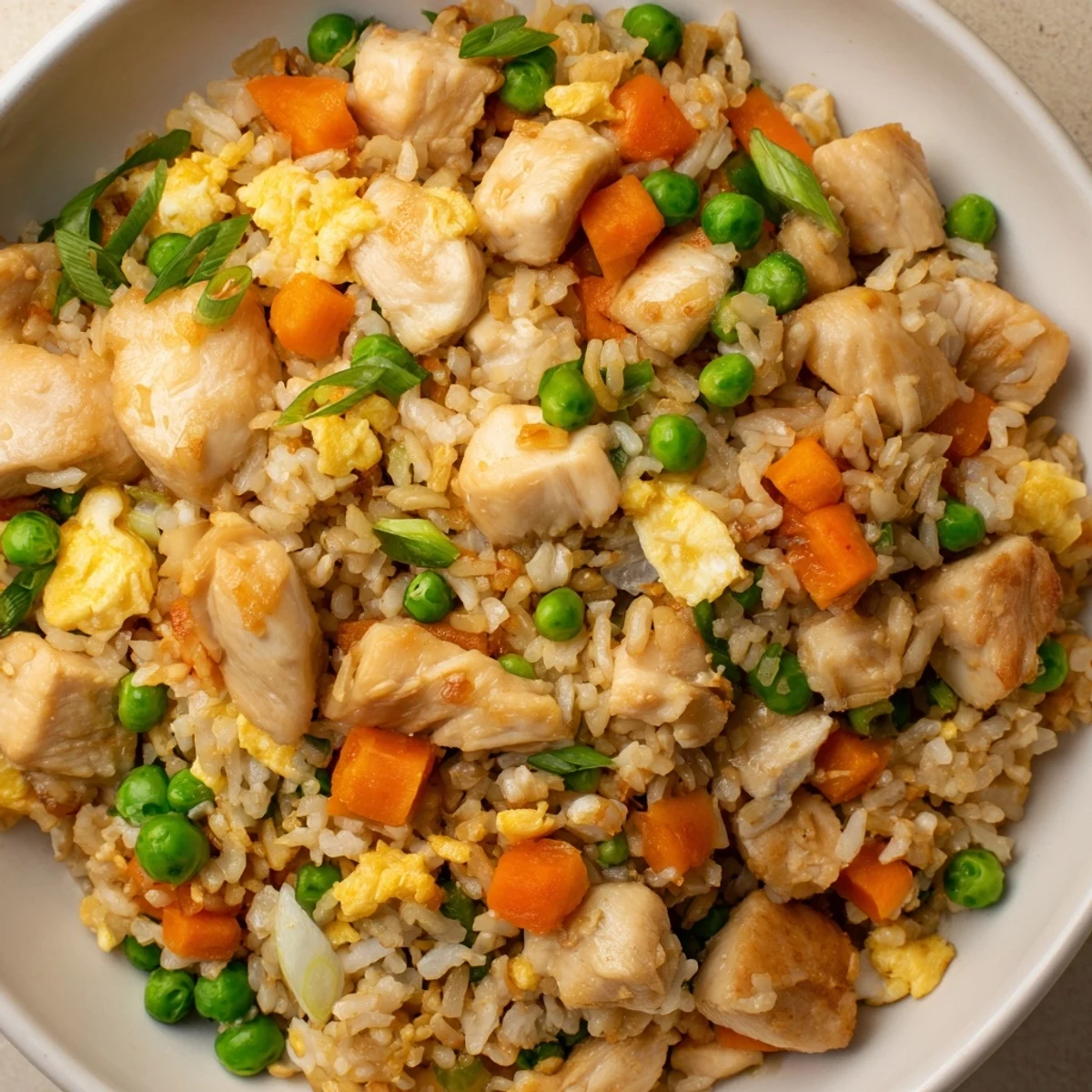
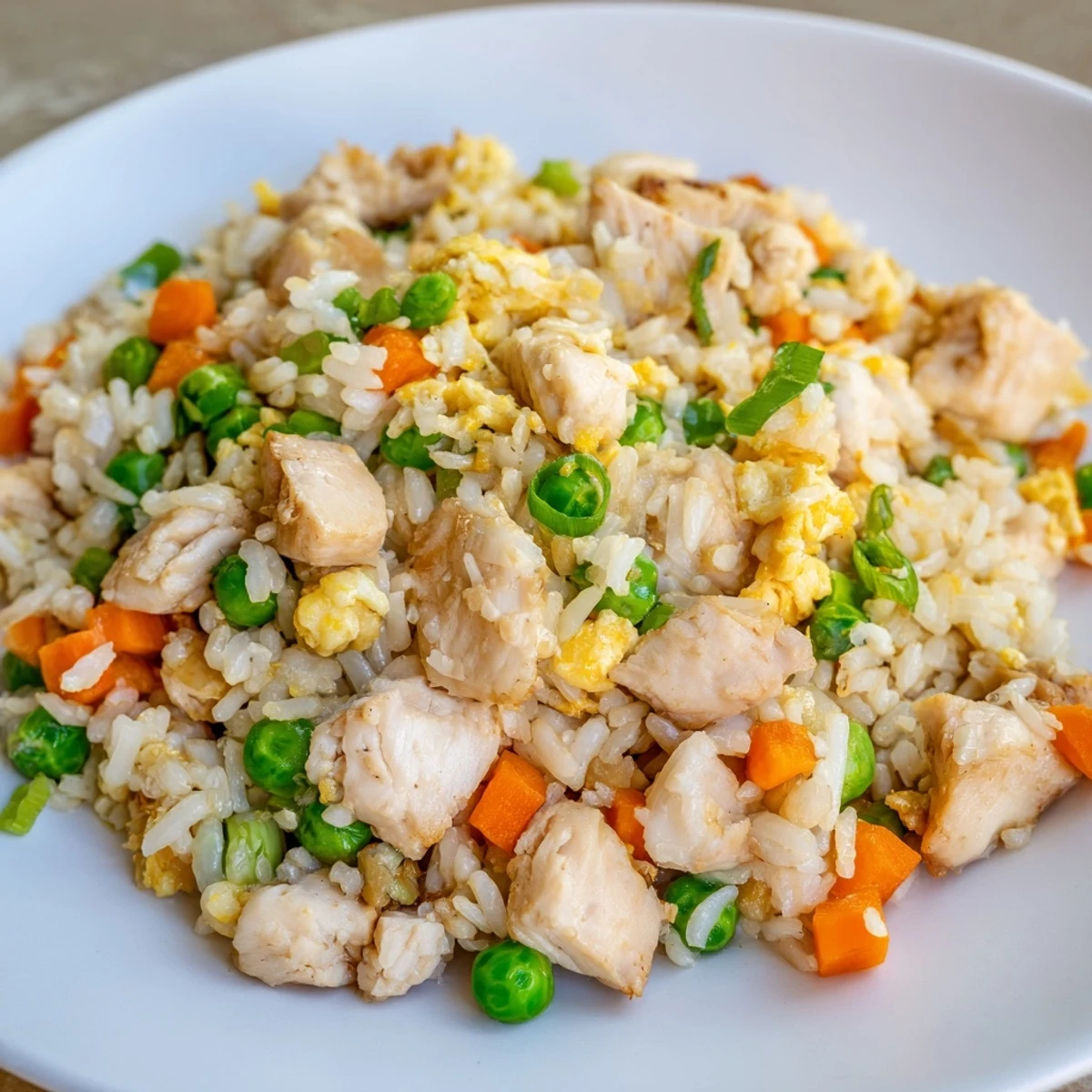
Save This dish features tender diced chicken sautéed to golden perfection alongside sweet peas and diced carrots. Cold jasmine rice is quickly tossed in a hot skillet with eggs, garlic, and flavorful soy and sesame sauces. The result is a satisfying, aromatic stir-fry with balanced textures and vibrant colors. Green onions add freshness just before serving. Perfect for a quick and nourishing dinner.
I was standing in my kitchen on a Wednesday night, staring at a container of leftover rice and wondering what to do with it. My neighbor had just dropped off some fresh carrots from her garden, and I had chicken thawing in the fridge. That's when I realized I had everything I needed for fried rice, a dish I'd watched my college roommate make a hundred times but never attempted myself.
The first time I made this for my kids, they didn't believe I cooked it. They kept asking if I'd ordered it from the Chinese restaurant down the street. I took that as the highest compliment, even though I'd accidentally added too much soy sauce and had to balance it out with extra rice.
Ingredients
- Boneless, skinless chicken breasts: I dice them small so they cook fast and distribute evenly, and I learned to pat them dry first so they actually brown instead of steam.
- Large eggs: They add richness and little pockets of flavor throughout the rice, and scrambling them right in the pan saves a dish.
- Frozen peas: I keep a bag in the freezer always because they add sweetness and color without any prep work beyond thawing.
- Carrots: Fresh carrots have a crunch that frozen ones don't, and dicing them small means they cook in the same time as everything else.
- Green onions: The tops stay bright green and fresh tasting if you add them at the very end instead of cooking them down.
- Garlic: Two cloves is enough to make the whole dish smell incredible without overpowering the other flavors.
- Cooked jasmine or long-grain rice: Day-old rice from the fridge is drier and separates beautifully, which is the secret to fried rice that isn't mushy.
- Soy sauce: I use low sodium so I can control the saltiness, and I've learned that a little goes further than you think.
- Oyster sauce: This is optional but it adds a depth that makes people ask what your secret ingredient is.
- Sesame oil: Just a teaspoon at the end brings a nutty aroma that makes the whole dish feel complete.
- Ground white pepper: It has a sharper, more complex heat than black pepper and tastes more authentic.
- Vegetable oil: I split it between cooking the chicken and the vegetables so nothing gets greasy.
Instructions
- Sear the chicken:
- Heat a tablespoon of oil in your largest skillet or wok until it shimmers, then add the diced chicken in a single layer. Let it sit undisturbed for a minute so it gets golden before stirring, then cook until no pink remains and set it aside on a plate.
- Cook the carrots and garlic:
- Add the second tablespoon of oil and toss in the diced carrots, stirring them for about two minutes until they start to soften. Add the minced garlic and stir for just thirty seconds until your kitchen smells amazing.
- Scramble the eggs:
- Push everything to one side of the pan and crack the eggs into the empty space. Scramble them gently with your spatula until they're just set but still a little glossy.
- Add the rice and mix:
- Toss in the cold rice, thawed peas, and cooked chicken, then stir-fry everything together, breaking up any clumps of rice with the edge of your spatula. You want every grain separated and coated.
- Season and finish:
- Pour the soy sauce, oyster sauce, sesame oil, and white pepper over everything and keep stirring for two to three minutes until it's all heated through and glossy. Taste it and add a pinch of salt if needed, then fold in the sliced green onions right before you turn off the heat.
 Save
Save I made this for a potluck once and someone asked for the recipe, which surprised me because I still thought of it as just a way to use up leftovers. But that's when I realized that the best dishes are often the ones that started as accidents or experiments, not the ones you plan for days.
How to Store and Reheat
I store leftovers in a shallow container in the fridge for up to three days, and I've found that reheating it in a skillet with a tiny splash of water brings back the texture better than the microwave. If you freeze it, let it thaw in the fridge overnight before reheating or it gets watery.
Swaps and Variations
I've made this with shrimp instead of chicken when I had some in the freezer, and I've left out the meat entirely and added extra vegetables for friends who don't eat meat. You can also toss in leftover roast pork, swap the peas for edamame, or add a handful of bean sprouts at the end for crunch.
Serving Suggestions
This works as a complete meal on its own, but sometimes I serve it with a simple cucumber salad dressed in rice vinegar to cut through the richness. A few crispy wonton strips on top adds texture, and a drizzle of sriracha or chili oil is perfect if you like heat.
- Serve it straight from the pan while it's still steaming for the best flavor and texture.
- Pair it with a cold beer or a crisp white wine like Sauvignon Blanc if you want something refreshing.
- Leftovers make an excellent next-day lunch, especially if you pack them in a thermos to keep them warm.
 Save
Save Now this is one of those recipes I make without thinking, and every time I do, it reminds me that some of the best meals come from just paying attention to what you already have. I hope it becomes one of those easy wins in your kitchen too.
Recipe FAQs
- → Can I use different vegetables?
-
Yes, feel free to swap peas and carrots with bell peppers, broccoli, or snap peas for variety.
- → What type of rice works best?
-
Day-old jasmine or long-grain rice is ideal as it prevents clumping and ensures a fluffy texture.
- → How to prevent chicken from drying out?
-
Cook chicken over medium-high heat just until golden and cooked through; avoid overcooking for tenderness.
- → Can this be made vegetarian?
-
Replace chicken with tofu or extra vegetables and omit eggs to suit vegetarian preferences.
- → What sauces enhance the flavor?
-
Soy sauce adds saltiness while oyster sauce offers depth; sesame oil provides a nutty aroma to the dish.