
 Save
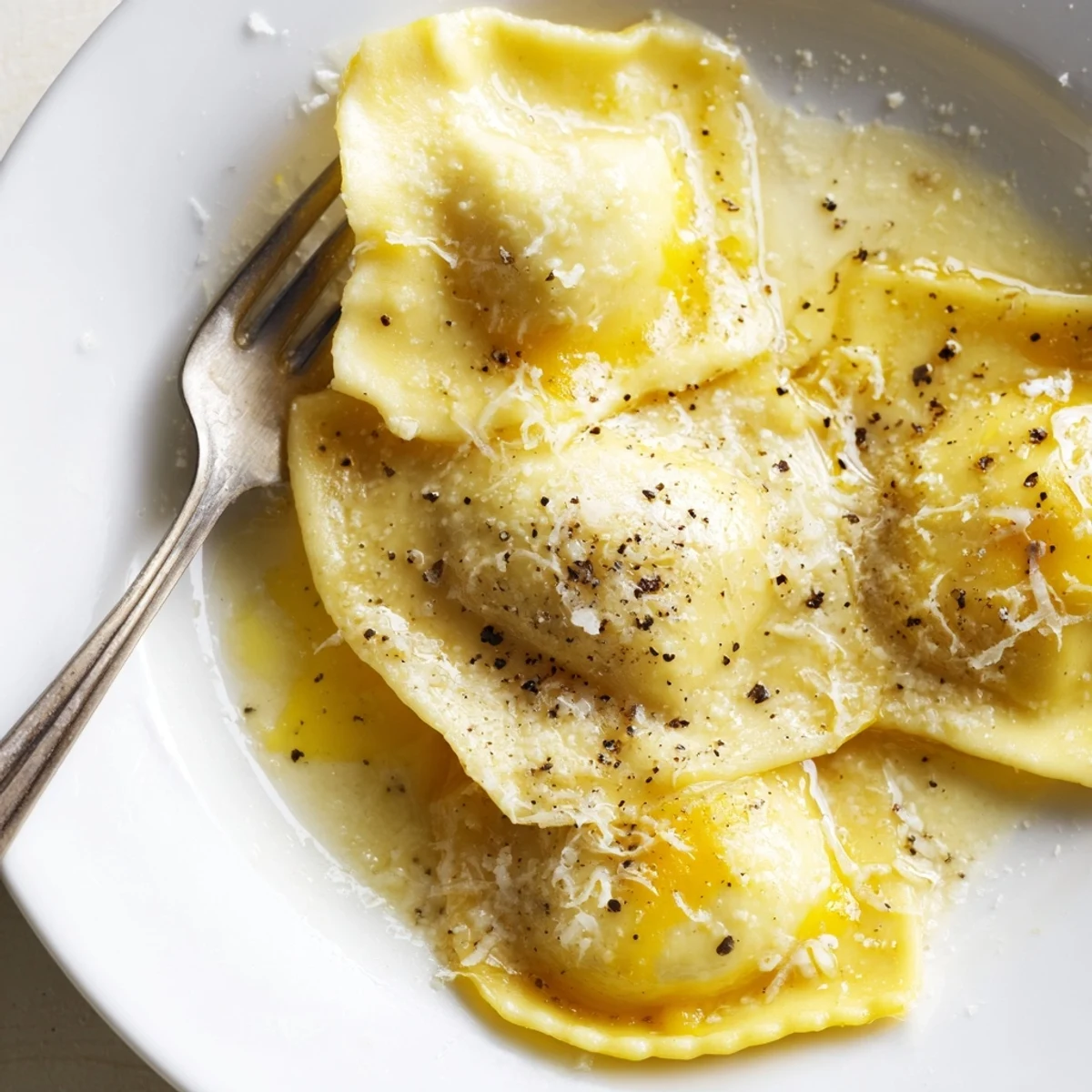
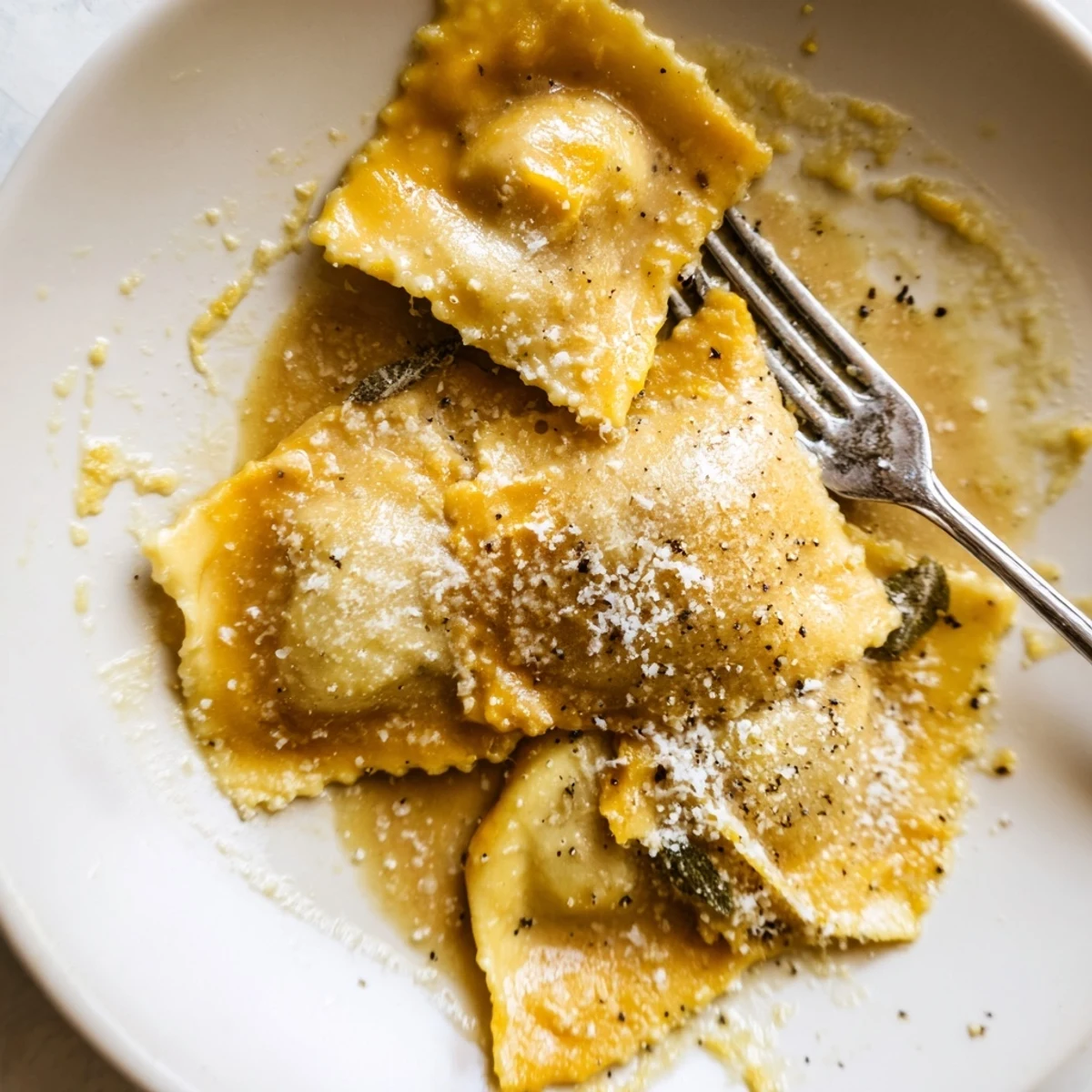
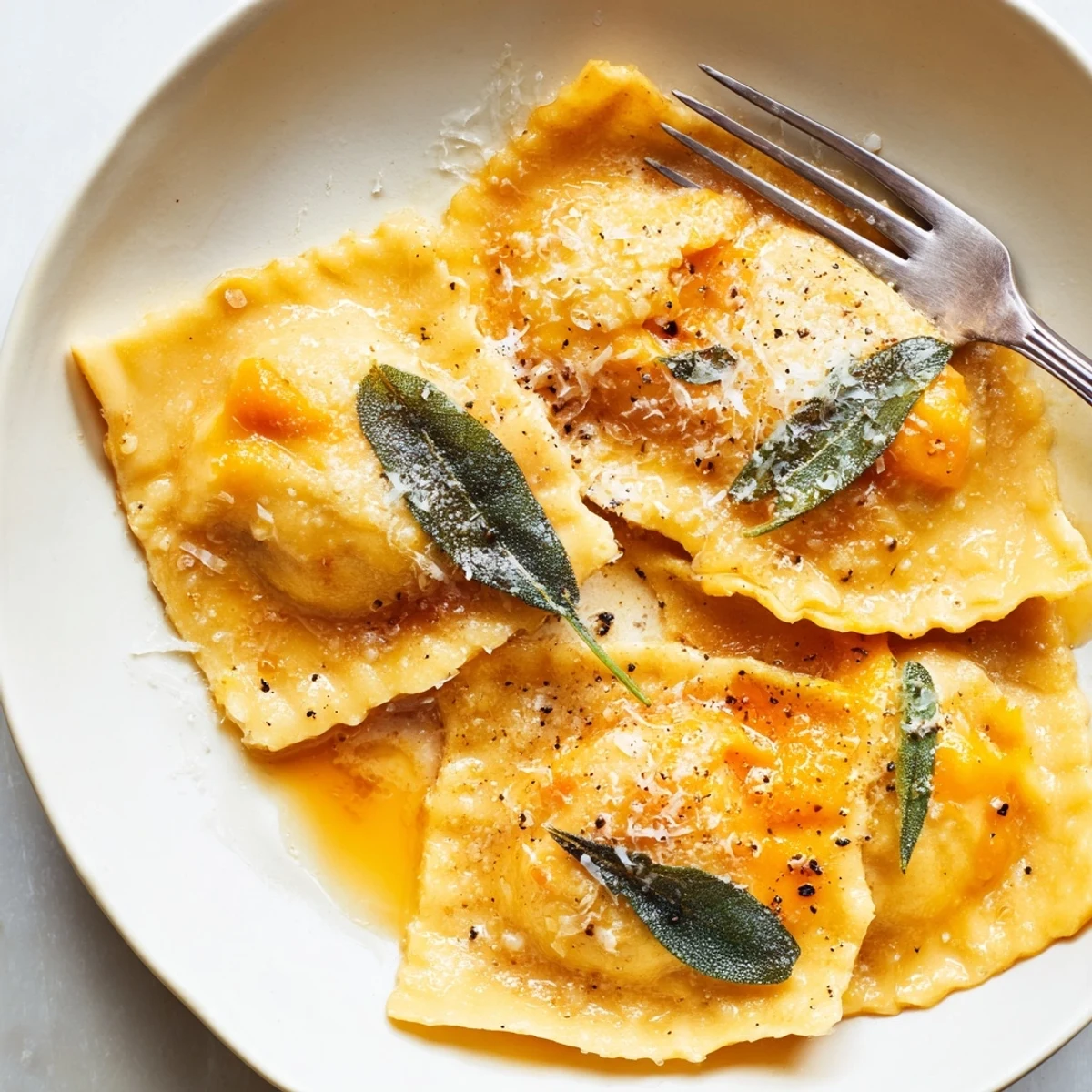
Save This dish features thin sheets of homemade pasta filled with a smooth blend of roasted butternut squash, ricotta, and Parmesan, lightly seasoned with nutmeg and pepper. The ravioli are boiled until tender and then tossed gently in a fragrant brown butter sauce infused with crisp sage leaves. The finished plate is garnished with extra Parmesan and freshly cracked black pepper, offering a harmonious balance of creamy, sweet, and herbal flavors ideal for a comforting Italian main course.
I was folding laundry on a Tuesday night when the idea hit me to try making ravioli from scratch. The dough came together quietly under my palms, and the butternut squash roasted while I worked the flour into eggs. By the time the sage butter started crackling in the pan, the kitchen smelled like a little trattoria I'd never been to but somehow missed.
I made this for my sister once when she came over unannounced, and she stood in the doorway watching me cut the ravioli into uneven squares. We ate them straight from the skillet, burning our tongues a little, laughing at how fancy it looked despite my clumsy crimping. She still asks for it every fall.
Ingredients
- All purpose flour: This is the foundation of your dough, and using a little extra for dusting keeps everything from sticking as you roll and cut.
- Eggs: They bind the dough and give it that rich, golden color. Room temperature eggs mix more easily into the flour.
- Butternut squash: Roasting it until the edges caramelize brings out a natural sweetness that makes the filling sing.
- Ricotta cheese: It adds creaminess and a slight tang that balances the squash beautifully.
- Parmesan cheese: A little goes a long way here, adding depth and a salty edge to the filling.
- Ground nutmeg: Just a whisper of it makes the filling feel warm and complete without tasting like dessert.
- Unsalted butter: The star of the sauce. It browns gently and carries the sage flavor into every crevice of the ravioli.
- Fresh sage leaves: They crisp up in the butter and release an earthy, almost peppery aroma that defines the whole dish.
Instructions
- Roast the squash:
- Toss the cubes with olive oil, salt, and pepper, then spread them on a baking sheet. Roast until they are soft and golden at the edges, filling your kitchen with a sweet, toasty smell.
- Make the pasta dough:
- Mound the flour on a clean counter, create a well in the center, and crack the eggs into it with the salt. Use a fork to slowly pull flour into the eggs, then knead the dough until it is smooth and elastic, about 8 to 10 minutes.
- Rest the dough:
- Wrap it in plastic and let it sit at room temperature for 30 minutes. This relaxes the gluten and makes rolling much easier.
- Prepare the filling:
- Mash the cooled squash until smooth, then stir in the ricotta, Parmesan, nutmeg, salt, and pepper. The mixture should be creamy and spreadable.
- Roll and fill the ravioli:
- Roll the dough into thin sheets, place small mounds of filling on one sheet, brush around them with water, and cover with another sheet. Press gently to seal, then cut into squares or circles.
- Make the sage butter:
- Melt the butter over medium heat, add the sage leaves, and cook until the butter turns golden brown and smells nutty. The sage will crisp up and become fragrant.
- Cook and serve:
- Boil the ravioli in salted water for 2 to 3 minutes until they float, then transfer them to the sage butter. Toss gently, plate, and finish with Parmesan and black pepper.
 Save
Save One evening I served these with a glass of cold Pinot Grigio, and the combination felt like a small celebration. The wine cut through the richness of the butter, and for a moment everything outside the kitchen just disappeared.
How to Store and Reheat
You can freeze uncooked ravioli on a floured tray, then transfer them to a bag once solid. They cook straight from frozen, just add an extra minute to the boiling time. Leftover cooked ravioli can be gently reheated in a pan with a little butter or olive oil, though they are best enjoyed fresh.
What to Serve Alongside
A simple arugula salad with lemon and olive oil balances the richness beautifully. I also like crusty bread on the side to soak up any extra sage butter left on the plate. Keep it light so the ravioli remain the star.
Common Mistakes and How to Avoid Them
Rolling the dough too thick makes the ravioli chewy and heavy, so aim for translucent sheets. Overfilling each raviolo causes them to burst, so use just a teaspoon of filling per piece. Boiling the water too hard can tear the delicate pasta, so keep it at a gentle simmer.
- Dust your work surface often to prevent sticking, especially in humid weather.
- Taste the filling before you seal the ravioli so you can adjust the seasoning.
- Use a slotted spoon to transfer the ravioli so you do not waterlog the sauce.
 Save
Save This dish has a way of turning an ordinary night into something you remember. I hope it does the same for you.
Recipe FAQs
- → How do I roast the butternut squash for the filling?
-
Cut the squash into cubes, toss with olive oil, salt, and pepper, then roast at 400°F (200°C) for 25–30 minutes until soft and caramelized.
- → What is the best way to make the pasta dough smooth?
-
Gradually incorporate flour into beaten eggs and salt, then knead on a floured surface for 8–10 minutes until elastic and smooth.
- → How can I ensure the ravioli seal properly?
-
Brush water around the filling on the pasta sheet before covering with another sheet, then press firmly to seal edges and prevent leaking.
- → How long should I cook the ravioli once in boiling water?
-
Cook the ravioli in simmering salted water for 2–3 minutes until they float to the surface.
- → What gives the sauce its flavor in this dish?
-
The brown butter is infused with fresh sage leaves cooked until crisp, bringing a nutty, herbal aroma that complements the filling beautifully.
- → Can I add a spicy kick to the sauce?
-
Yes, adding a pinch of chili flakes to the sage butter while cooking introduces a pleasant heat to the sauce.