
 Save
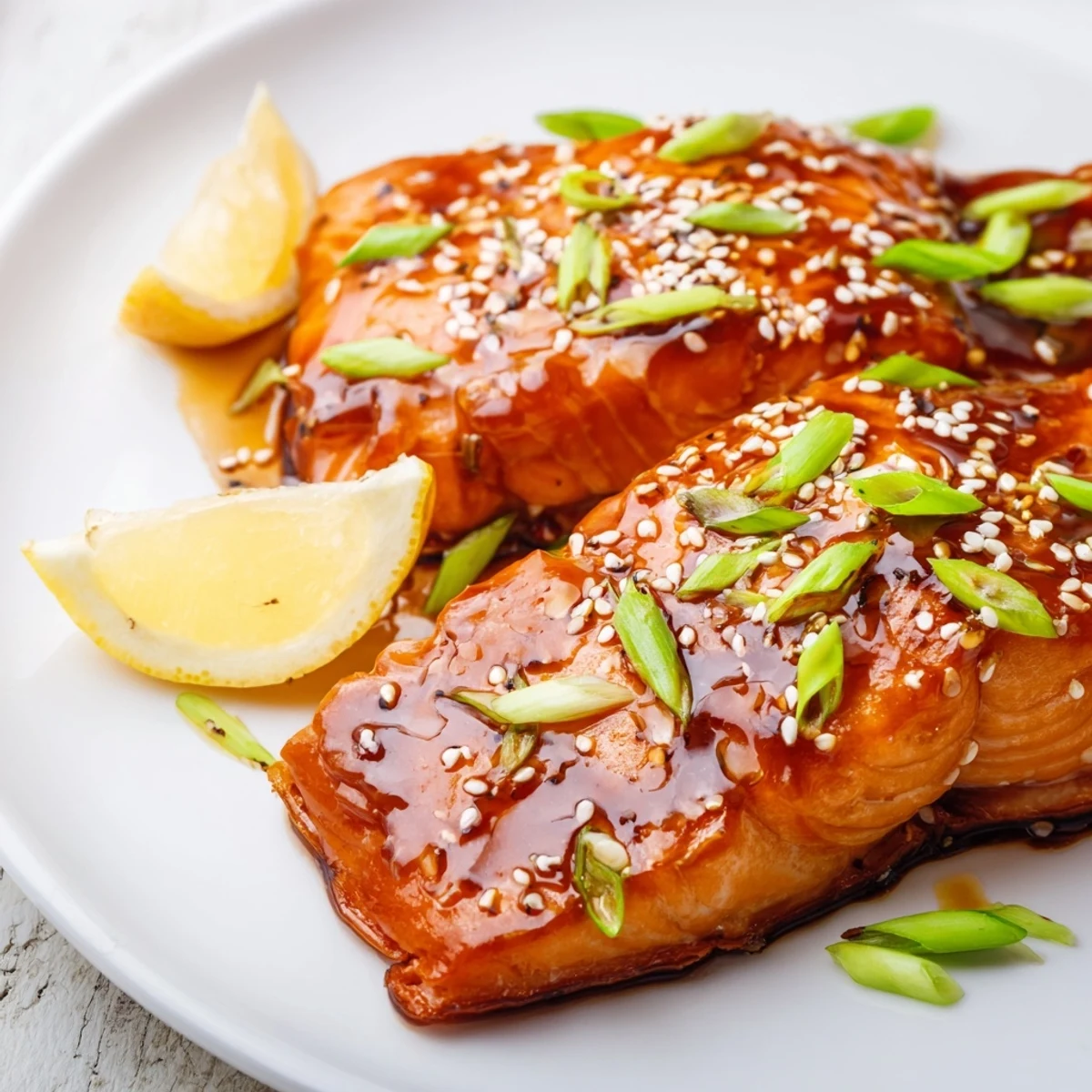
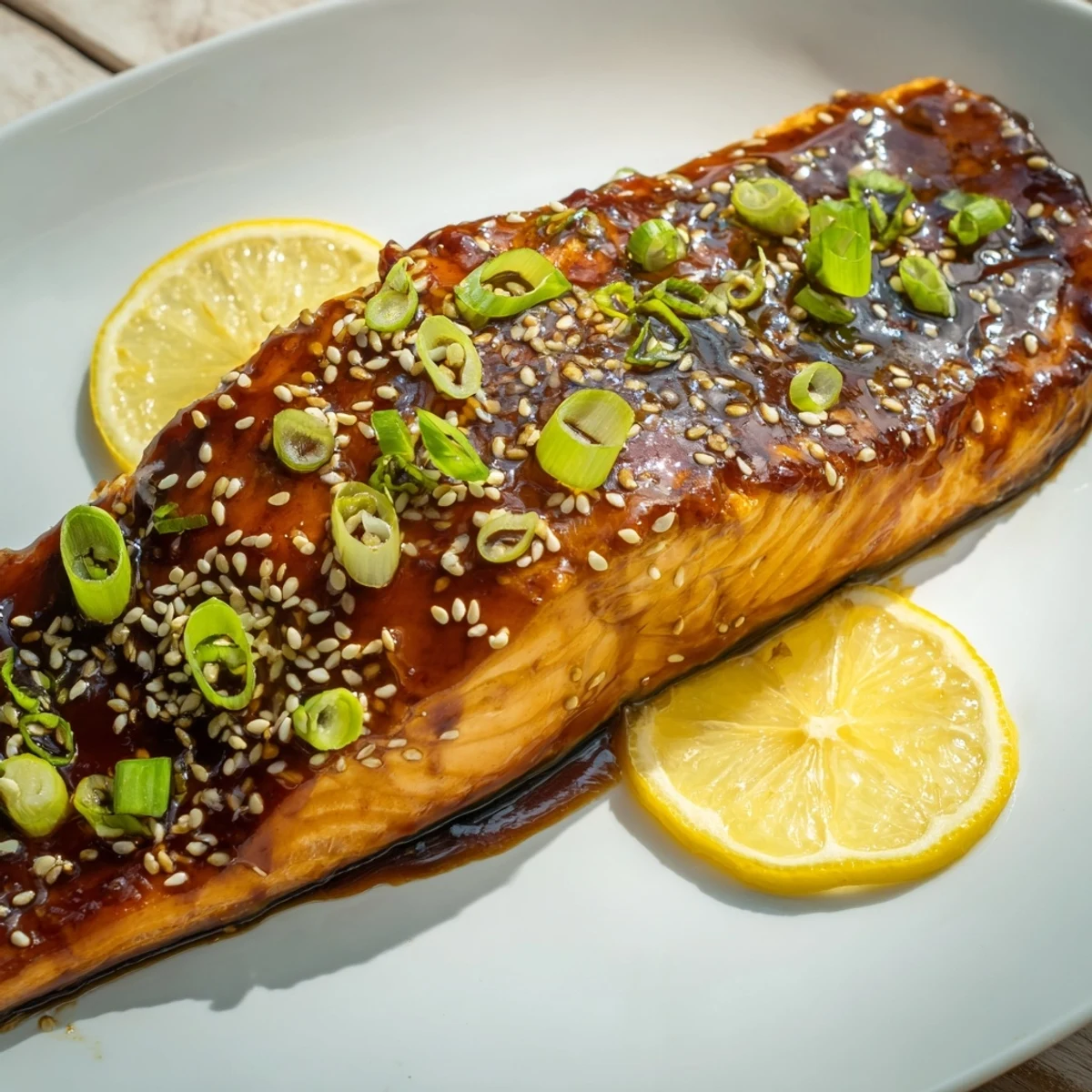
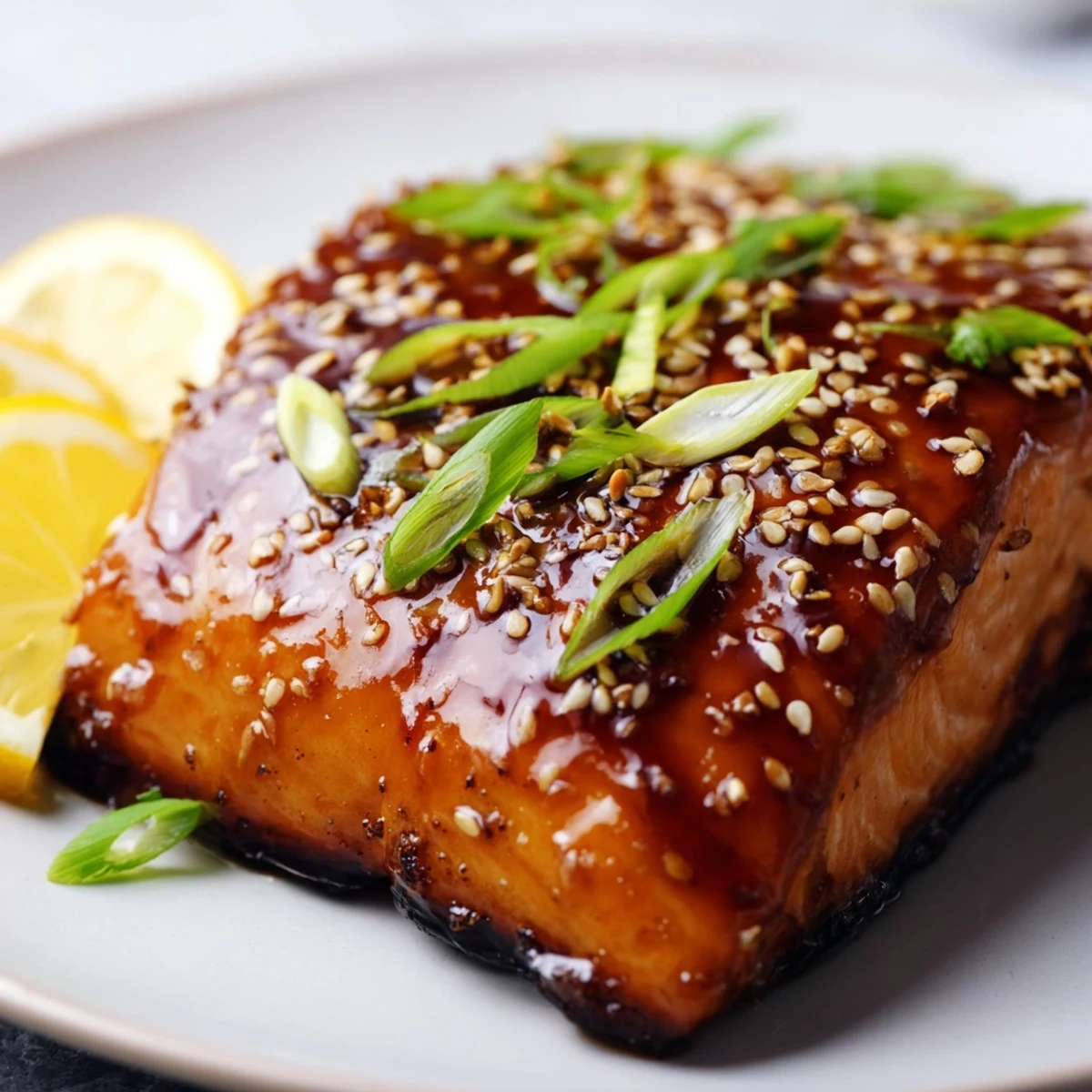
Save This dish features oven-baked salmon fillets brushed generously with a homemade teriyaki glaze, blending soy sauce, honey, and ginger for a perfect balance of sweet and savory flavors. The salmon is baked until flaky and tender, then garnished with toasted sesame seeds and green onions for added texture and aroma. Quick and simple to prepare, it’s a delicious option for a nutritious weeknight main.
I used to dread cooking fish until a friend showed me this glaze trick on a rainy Tuesday. The smell of garlic and ginger hitting the hot pan erased every doubt I had about weeknight salmon. Now it's the dish I make when I want something impressive without the stress.
The first time I served this to my family, my nephew asked if we were celebrating something. I laughed and said no, but his question stuck with me. Sometimes the best meals are the ones that feel special for no reason at all.
Ingredients
- Salmon fillets: I prefer skin-on because it crisps up beautifully in the oven, but skinless works just fine if that's what you have.
- Olive oil: A light coating keeps the fish moist and helps the seasoning stick without overpowering the delicate flavor.
- Soy sauce: Low sodium gives you control over the saltiness, and it's the backbone of that deep, savory glaze.
- Honey: This balances the salty soy with a gentle sweetness that caramelizes under heat.
- Rice vinegar: A splash of acidity cuts through the richness and brightens every bite.
- Sesame oil: Just a teaspoon adds a nutty warmth that makes the whole dish smell incredible.
- Garlic and ginger: Fresh is always better here, the aromatics bloom in the sauce and fill your kitchen with the best kind of anticipation.
- Cornstarch slurry: This tiny step transforms a thin sauce into a glossy glaze that clings to the fish.
Instructions
- Prep the oven and salmon:
- Preheat to 400°F and line your baking sheet with parchment. Pat the fillets completely dry, rub them with olive oil, and season both sides with salt and pepper.
- Make the teriyaki glaze:
- Combine soy sauce, honey, brown sugar, rice vinegar, mirin, sesame oil, garlic, and ginger in a small saucepan over medium heat. Let it simmer gently until the sugar dissolves and the kitchen smells like a dream.
- Thicken the sauce:
- Stir in the cornstarch slurry and cook for 2 to 3 minutes, watching it turn glossy and thick. Remove from heat and set aside half for drizzling later.
- Glaze and bake:
- Brush each fillet generously with the warm glaze, making sure every inch is coated. Bake for 12 to 15 minutes until the salmon flakes easily with a fork.
- Broil for caramelization:
- If you want a slightly charred, sticky top, switch to broil for 1 to 2 minutes. Watch it closely, it goes from perfect to burnt fast.
- Garnish and serve:
- Drizzle with the reserved glaze, sprinkle sesame seeds and green onions on top, and add a lemon wedge on the side. Serve it hot while the glaze is still shiny.
 Save
Save One evening I made this for a neighbor recovering from surgery, and she texted me later asking for the recipe. She said it was the first meal in days that actually made her excited to eat. That's when I realized good food doesn't need a special occasion, sometimes it creates one.
Serving Suggestions
I usually pair this with steamed jasmine rice and whatever green vegetable I have on hand, often broccolini or snap peas. The glaze drips down into the rice and turns it into something you'll want to scrape every last grain from the bowl. A crisp cucumber salad on the side adds a refreshing crunch that balances the richness.
Swaps and Variations
If you want to skip refined sugar, maple syrup works beautifully in place of honey and adds a subtle depth. For a gluten-free version, swap soy sauce for tamari without losing any of that savory punch. A pinch of chili flakes stirred into the glaze gives it a gentle heat that wakes up your palate without overwhelming the fish.
Storage and Reheating
Leftover salmon keeps well in the fridge for up to two days, though it's best enjoyed fresh. Reheat gently in a low oven or eat it cold over a salad, the glaze holds its flavor either way.
- Store in an airtight container to keep the fish from drying out.
- Warm it at 275°F for about 10 minutes to avoid overcooking.
- Extra glaze can be refrigerated separately and drizzled over rice or vegetables later.
 Save
Save This recipe taught me that weeknight dinners don't have to be boring or stressful. Sometimes all it takes is a good glaze and 30 minutes to turn an ordinary evening into something worth remembering.
Recipe FAQs
- → How do I ensure the salmon stays moist while baking?
-
Pat the salmon dry and brush it with olive oil before baking. Brushing the fillets with the teriyaki glaze before and after baking also helps retain moisture and adds flavor.
- → Can I substitute ingredients in the teriyaki glaze?
-
Yes. Maple syrup can replace honey for a refined sugar-free option. For gluten-free, use tamari instead of soy sauce to maintain the glaze’s rich taste.
- → What is the best way to thicken the teriyaki sauce?
-
Mix cornstarch with cold water to create a slurry, then stir it into the simmering sauce. Cook until it thickens to a glossy glaze that coats the salmon nicely.
- → How can I add a spicy kick to this dish?
-
Add a pinch of chili flakes to the teriyaki glaze while simmering for a subtle heat that complements the sweet and savory flavors.
- → What sides pair well with baked salmon teriyaki glaze?
-
Steamed rice, sautéed vegetables, or a crisp green salad complement the rich flavors and balance the meal.