
 Save
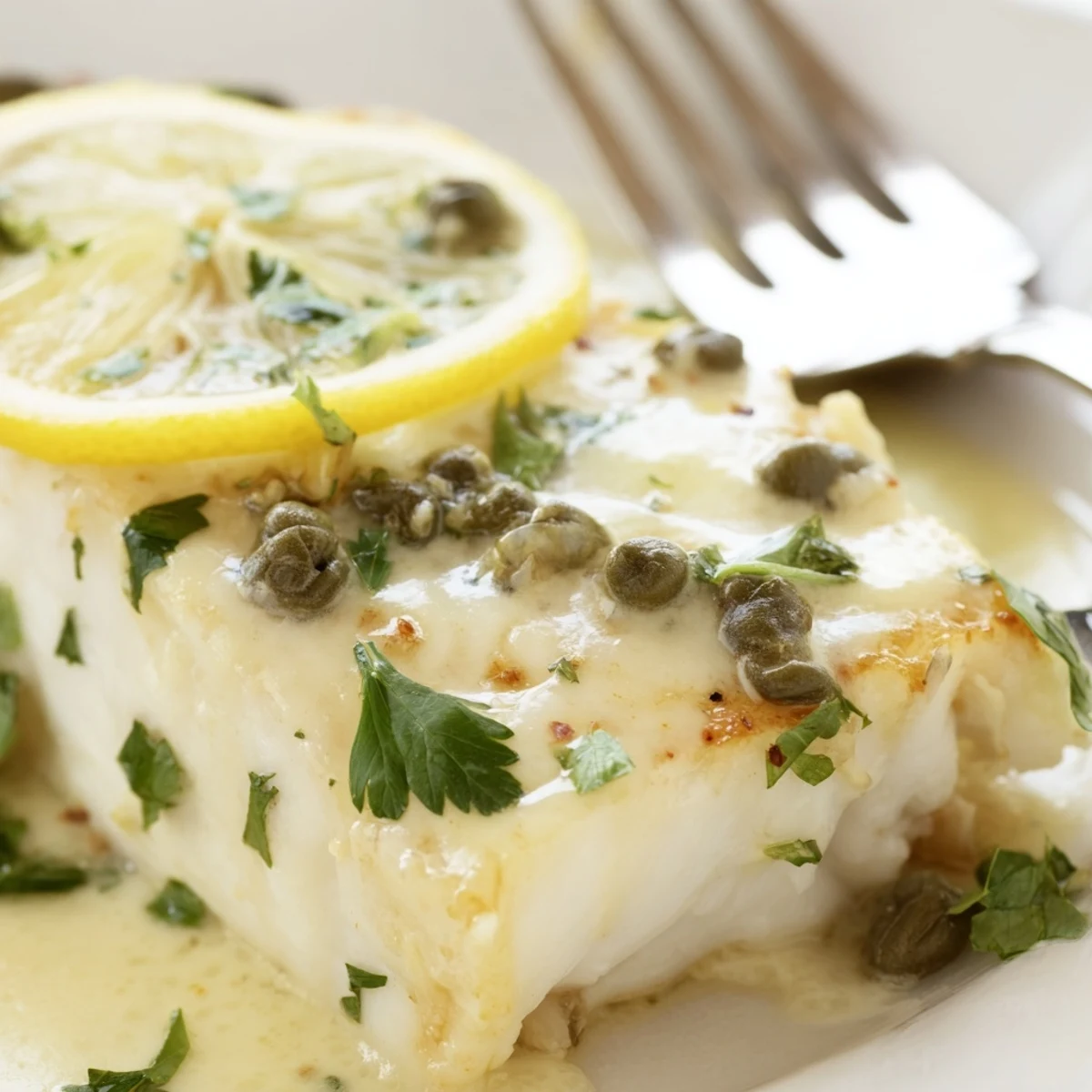
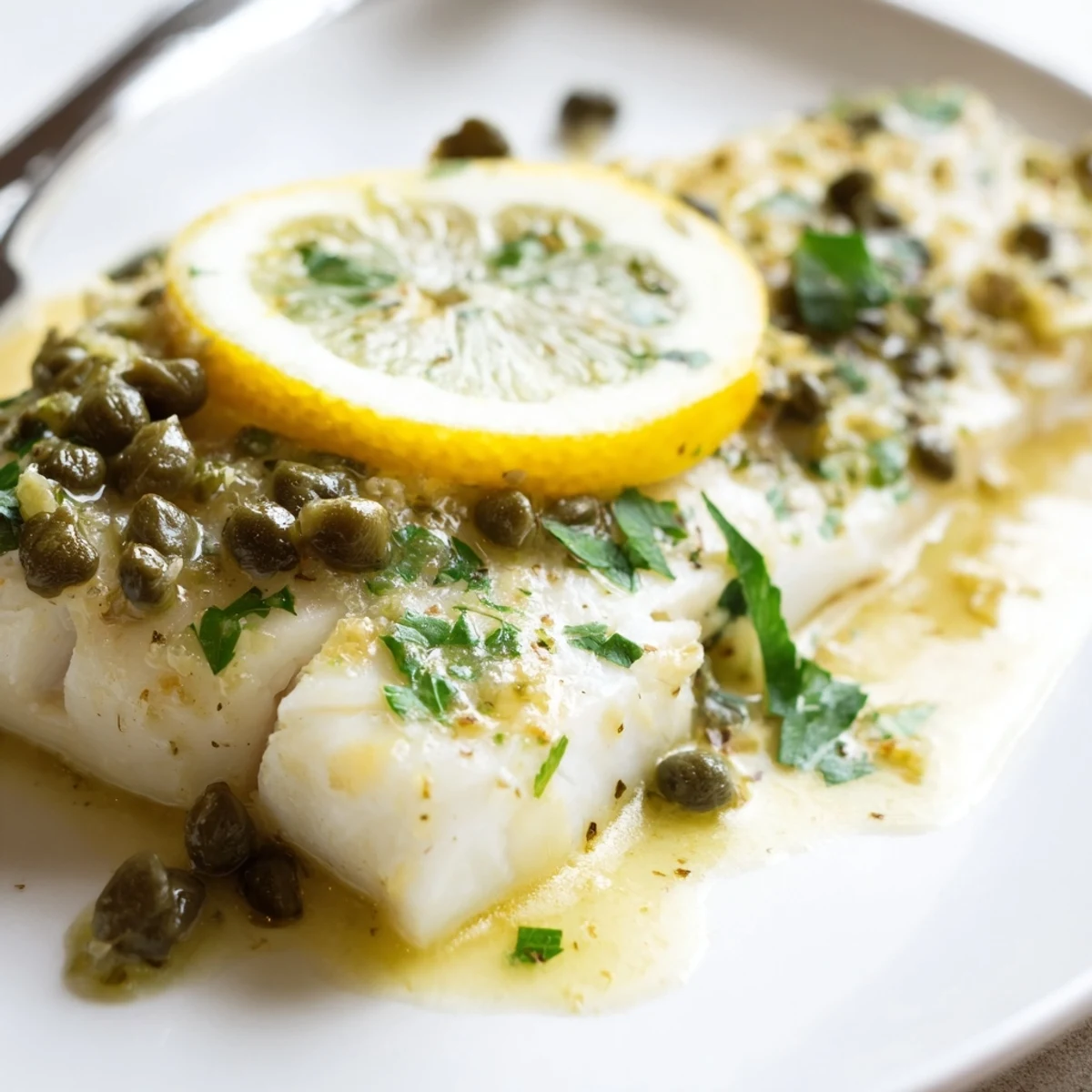
Save This dish features delicate halibut fillets lightly seasoned and baked until tender and flaky. A lively sauce combining butter, capers, garlic, parsley, and fresh lemon juice creates a bright complement to the fish. The process is straightforward, requiring simple prep and quick baking. Perfect for an easy yet flavorful main course that pairs well with steamed veggies or potatoes, this elegant entree highlights fresh ingredients and balanced zest.
There's something magical about watching a piece of halibut transform in the oven – one minute you're sliding a pale fillet into the heat, and the next, it's caught that perfect moment of opaque tenderness that means everything's about to taste incredible. My first attempt at this dish happened on a Wednesday night when I had friends coming over and wanted to impress without spending three hours in the kitchen. The lemon-caper sauce emerged almost by accident, born from what I had on hand and a quiet certainty that bright, briny flavors would make the fish sing.
I'll never forget the exact moment my confidence shifted with this recipe – it was when my usually skeptical brother took a second bite and asked for the sauce recipe, mid-conversation, without even pretending to be polite about it. That's when I realized this wasn't just a weeknight dinner solution; it was something people would actually crave and ask about.
Ingredients
- Halibut fillets (4, 6 oz each), skinless: Look for bright, firm fillets with no browning at the edges – the quality of your fish is everything, and a good fishmonger will help you pick the right ones for baking.
- Olive oil (2 tbsp): Use something you'd actually taste on its own, nothing labeled light or pomace – this is going directly on the fish.
- Lemon (1), zested and juiced: Zest it before you cut, and if you're squeezing by hand, warm it first under hot water to release more juice.
- Salt (1/2 tsp) and freshly ground black pepper (1/4 tsp): Freshly ground makes a real difference here; pre-ground sits in the shaker losing flavor.
- Unsalted butter (2 tbsp), melted: The sauce depends on butter's clean flavor, so don't skimp with salted varieties.
- Capers (2 tbsp), rinsed and drained: Rinsing them removes excess salt and sharpness – this small step changes everything about the final balance.
- Fresh parsley (2 tbsp), finely chopped: Chop it just before using so it stays bright green and doesn't turn dark and bitter.
- Garlic clove (1), minced: One clove is gentle and won't overshadow the delicate fish, but mince it fine so it distributes evenly through the sauce.
- Dijon mustard (1/2 tsp, optional): It adds a subtle depth that rounds out the lemon without making itself known – try it once to see if you're a believer like I am.
- Lemon slices for garnish: Thin slices look beautiful and give people something to squeeze over their plate if they want extra brightness.
Instructions
- Heat your oven and prepare the stage:
- Preheat to 400°F and grease your baking dish lightly – you want just enough oil so the fish doesn't stick, not a slippery pool. A ceramic or glass dish works best because it heats evenly and you can go straight to the table if you're feeling elegant.
- Dry the halibut thoroughly:
- Pat each fillet with paper towels until the surface feels almost dry – moisture is the enemy of browning and even cooking, so don't skip this step even if it feels fussy. The drier the surface, the better the fish will cook.
- Build the marinade and anoint the fillets:
- Whisk olive oil with lemon zest, juice, salt, and pepper in a small bowl until it looks like liquid gold and smells unmistakably like the sea. Pour this evenly over each fillet, making sure the lemon juice touches every surface.
- Bake until the flesh turns opaque:
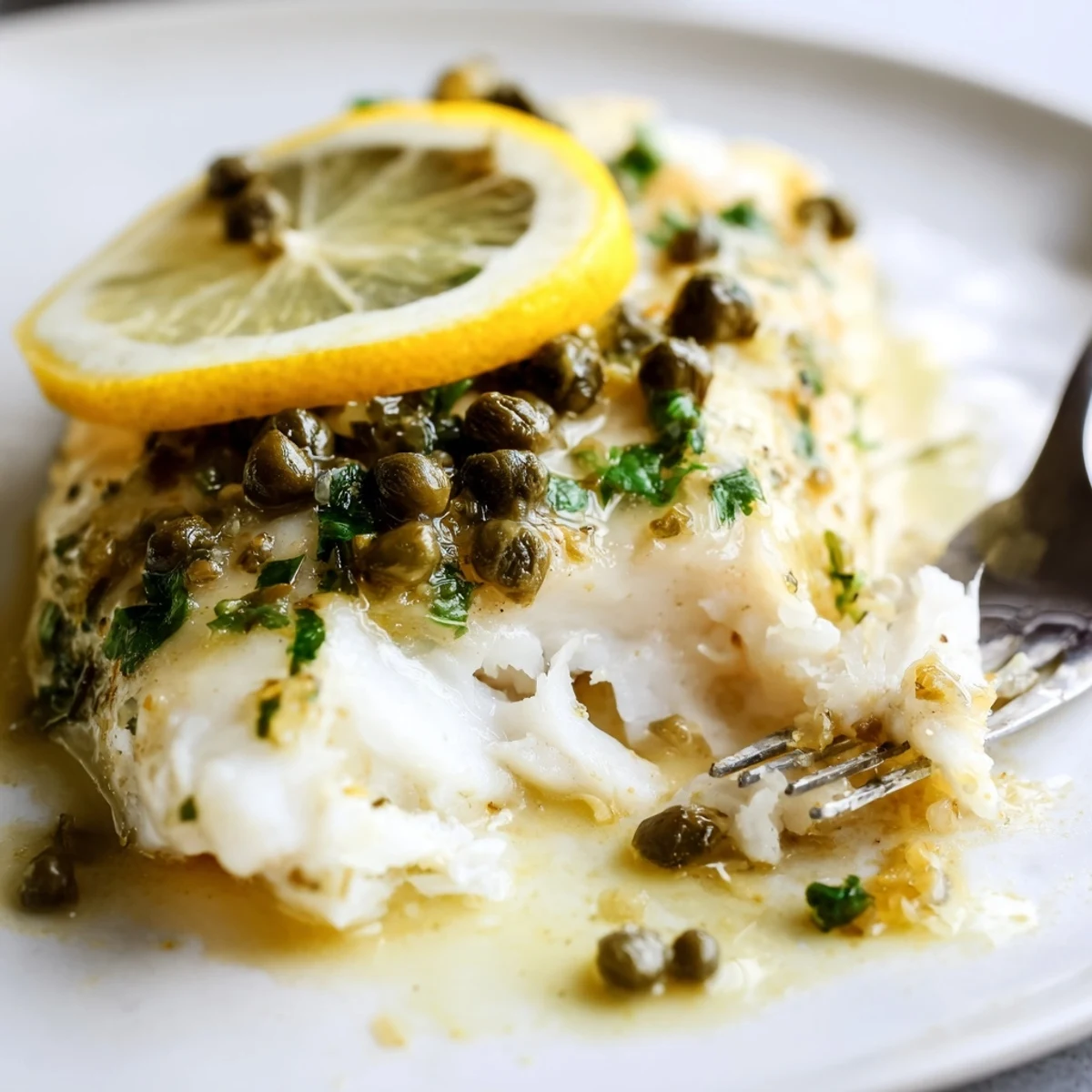
- Slide the dish into the oven for 15 to 18 minutes – start checking around the 14-minute mark by gently pressing the thickest part with a fork. When it flakes easily and looks slightly opaque throughout but still has a faint translucence in the very center, you're done; overcooked halibut becomes dry and disappointing.
- Prepare the sauce while the fish bakes:
- In a small saucepan over low heat, melt butter gently – don't let it bubble or brown. Stir in minced garlic first so it softens slightly, then add capers, parsley, and Dijon mustard if you're using it, and let everything warm together for just a minute or two until fragrant.
- Bring it all together:
- Remove the halibut from the oven and carefully spoon the warm lemon-caper sauce over each fillet, letting it pool slightly around the edges. Garnish with thin lemon slices and a final sprinkle of fresh parsley, then serve immediately while everything is still hot.
 Save
Save There was a Tuesday when I made this for someone who said they didn't really like fish, and afterward they sat quietly for a moment and said, "I think I've been eating the wrong kind of fish my whole life." That conversation made me understand that this recipe isn't really about impressing anyone – it's about showing people what good fish tastes like when it's treated with respect.
Choosing Your Halibut
The best halibut has flesh that's almost translucent white, firm to the touch, and smells like the ocean in a clean, briny way – never fishy or ammonia-like. When you're at the fish counter, don't be shy about asking the fishmonger which fillets came in most recently and whether they recommend any substitutions if halibut isn't looking perfect that day. Some weeks, a good piece of cod or haddock will actually be fresher and more flavorful, and that's the kind of wisdom worth listening to.
Side Dishes That Make Sense
Steamed asparagus is the most natural pairing because its subtle bitterness plays beautifully against the brightness of the lemon sauce, and it comes together in roughly the same time as the fish. Roasted potatoes add heartiness if you're feeding hungrier guests, while a simple green salad dressed with olive oil and salt feels almost restaurant-like in its restraint and elegance. I've also served this over a bed of tender greens or alongside risotto when I wanted to feel like I'd done something more elaborate than I actually had.
Variations and Adaptations
If halibut isn't available or feels too expensive on a particular week, cod and haddock cook beautifully with this exact same treatment – they're slightly more delicate in flavor but equally rewarding. For a dairy-free version, replace the melted butter with good olive oil and you barely notice the change, the sauce becomes just a touch brighter and more Mediterranean. You can also experiment with different herbs like dill or tarragon, or swap the capers for sun-dried tomatoes if you want a warmer, less briny flavor profile, but honestly, this combination is so perfectly balanced that I always come back to it.
- If you're making this for someone with a fish allergy, this technique works beautifully with chicken breasts or scallops.
- Leftovers are surprisingly good cold the next day – flaked over a salad with the leftover sauce drizzled on top.
- Double the sauce recipe if you're serving this over rice or couscous; people always want more than you'd expect.
 Save
Save This recipe taught me that the simplest meals are often the ones that stay with people longest, not because they're complicated or dramatic, but because they taste like care. That's all this really is – good fish, bold flavors, and the confidence to let them speak for themselves.
Recipe FAQs
- → How can I tell when the halibut is done baking?
-
When halibut flakes easily with a fork and appears opaque throughout, it is fully cooked and ready to serve.
- → Can I substitute the halibut with another fish?
-
Yes, cod or haddock are excellent alternatives that bake well with the lemon-caper sauce.
- → What sides pair well with this halibut dish?
-
Steamed asparagus, roasted potatoes, or a fresh green salad complement the flavors and textures nicely.
- → Is there a dairy-free option for the sauce?
-
Butter can be replaced with olive oil to make the sauce suitable for dairy-free diets without losing flavor.
- → How do capers affect the overall taste?
-
Capers add a tangy, briny note that brightens the sauce and enhances the delicate fish flavor.
- → Can I prepare the lemon-caper sauce ahead of time?
-
Yes, the sauce can be gently warmed before serving but is best when freshly made to retain its vibrant flavors.