
 Save
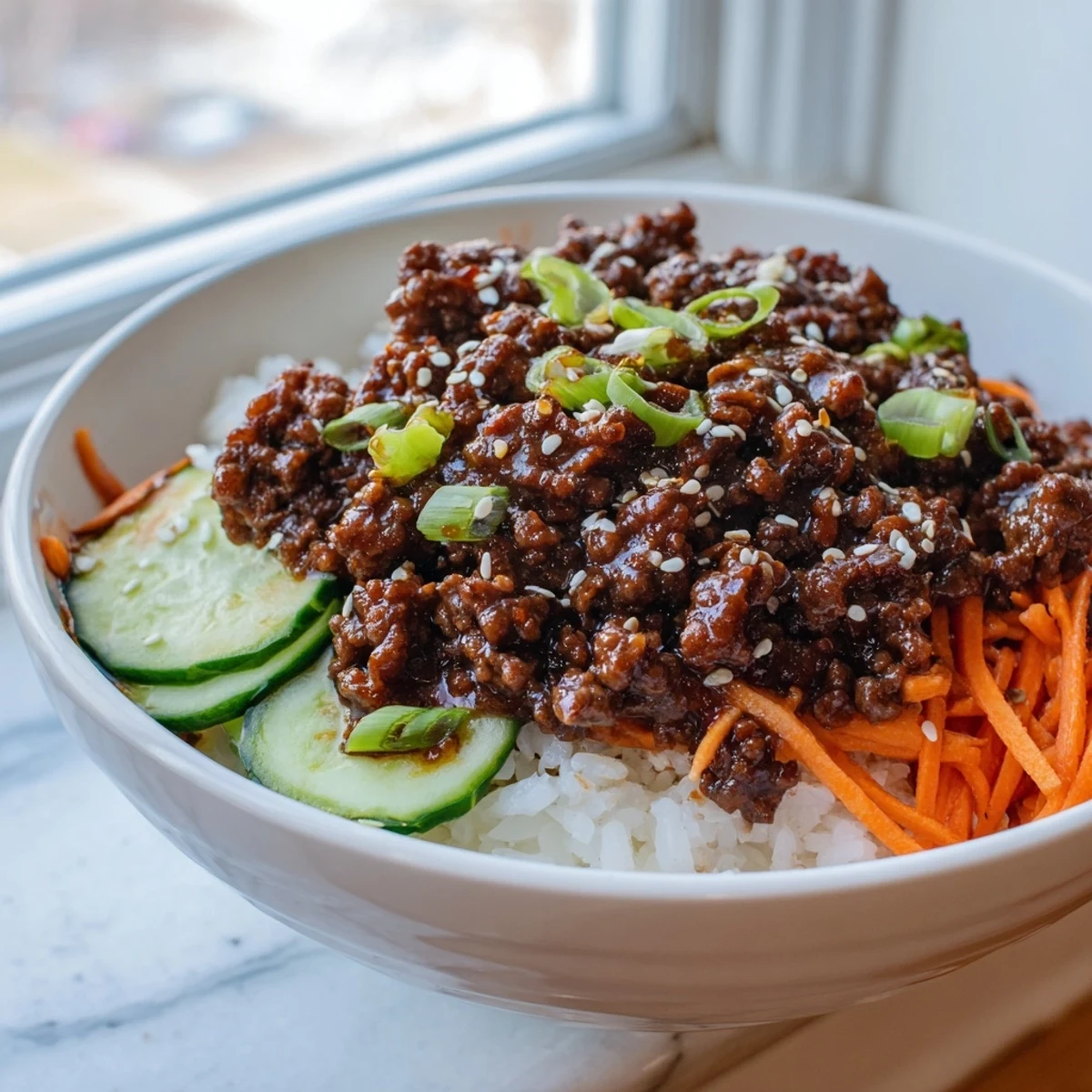
Save Savory ground beef gets transformed with a bold Korean-inspired sauce featuring soy sauce, sesame oil, garlic, ginger, and gochujang. The mixture caramelizes beautifully in a skillet, creating rich, sticky coating on every bite of beef. Serve over fluffy jasmine rice with crisp julienned carrots, cool cucumber slices, and fresh scallions. A sprinkle of toasted sesame seeds adds nutty crunch, while optional kimchi brings tangy fermentation. The entire dish comes together in just 25 minutes, making it ideal for busy weeknights when you want something satisfying yet simple.
I discovered Korean beef bowls during a chaotic Tuesday when I had thirty minutes to feed three hungry kids and zero plan. The aromas of sesame and garlic filled my tiny apartment kitchen, and suddenly weeknight cooking felt exciting instead of exhausting. My youngest daughter actually asked for seconds, which basically never happens. Now its the meal I turn to when I need something fast but still special.
Last winter my friend Sarah came over crying over a bad breakup, and I made these bowls with whatever I had on hand. She took one bite and said this was exactly what she needed. Food has this way of being comfort without saying anything at all. We sat there eating and talking for hours, and I think this recipe saved both of us that night.
Ingredients
- 500 g lean ground beef: I learned to drain the fat thoroughly so the sauce really clings to every bite
- 60 ml low-sodium soy sauce: Regular soy sauce can make it too salty, especially since it reduces as it cooks
- 2 tbsp light brown sugar: Balances the salty soy sauce and creates that gorgeous sticky glaze
- 1 tbsp sesame oil: Toasted sesame oil gives that authentic Korean restaurant flavor
- 4 garlic cloves, minced: Fresh garlic makes all the difference, jarred stuff just does not work here
- 1 tbsp freshly grated ginger: Peel it with a spoon and grate it right into the sauce bowl
- 1 tbsp gochujang: This Korean chili paste adds depth beyond just heat, but red pepper flakes work in a pinch
- 2 tsp rice vinegar: Cuts through the richness and brightens everything up
- 300 g jasmine rice: Short-grain rice is more traditional but jasmine has the most beautiful fragrance
- 2 medium carrots, julienned: I use a vegetable peeler to make quick, even ribbons
- 1 small cucumber, thinly sliced: English cucumbers work best because they have fewer seeds
- 4 scallions, thinly sliced: Both the green and white parts add different layers of flavor
- 2 tbsp toasted sesame seeds: Toast them in a dry pan for two minutes first, it changes everything
Instructions
- Start the rice foundation:
- Rinse your rice under cold water until it runs clear, then add it to a saucepan with the water. Bring it to a boil, reduce to a gentle simmer, cover and let it cook undisturbed for 12 to 15 minutes until perfectly tender.
- Whisk up the magic sauce:
- In a small bowl, combine the soy sauce, brown sugar, sesame oil, garlic, ginger, gochujang, and rice vinegar. Whisk until the sugar completely dissolves and the mixture smells absolutely incredible.
- Brown the beef perfectly:
- Heat a large skillet over medium-high heat and add the ground beef. Cook it for about 5 minutes, breaking it up with your spatula, until its beautifully browned all over. Drain any excess fat if you want a lighter bowl.
- Let the sauce work its magic:
- Pour that gorgeous sauce over the beef and stir everything together. Let it cook for another 2 to 3 minutes until the beef is coated and the sauce has thickened enough to cling to every piece.
- Build your perfect bowl:
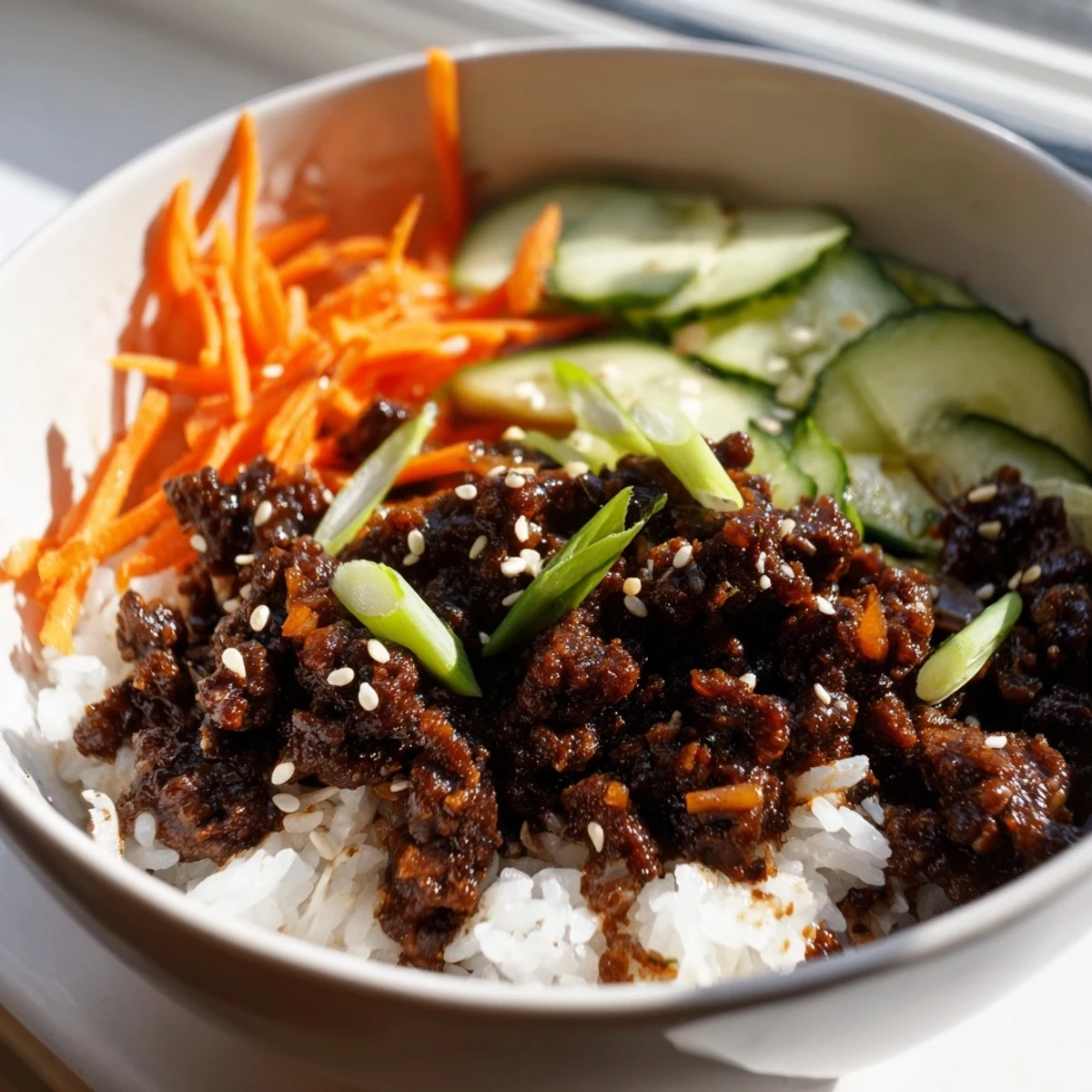
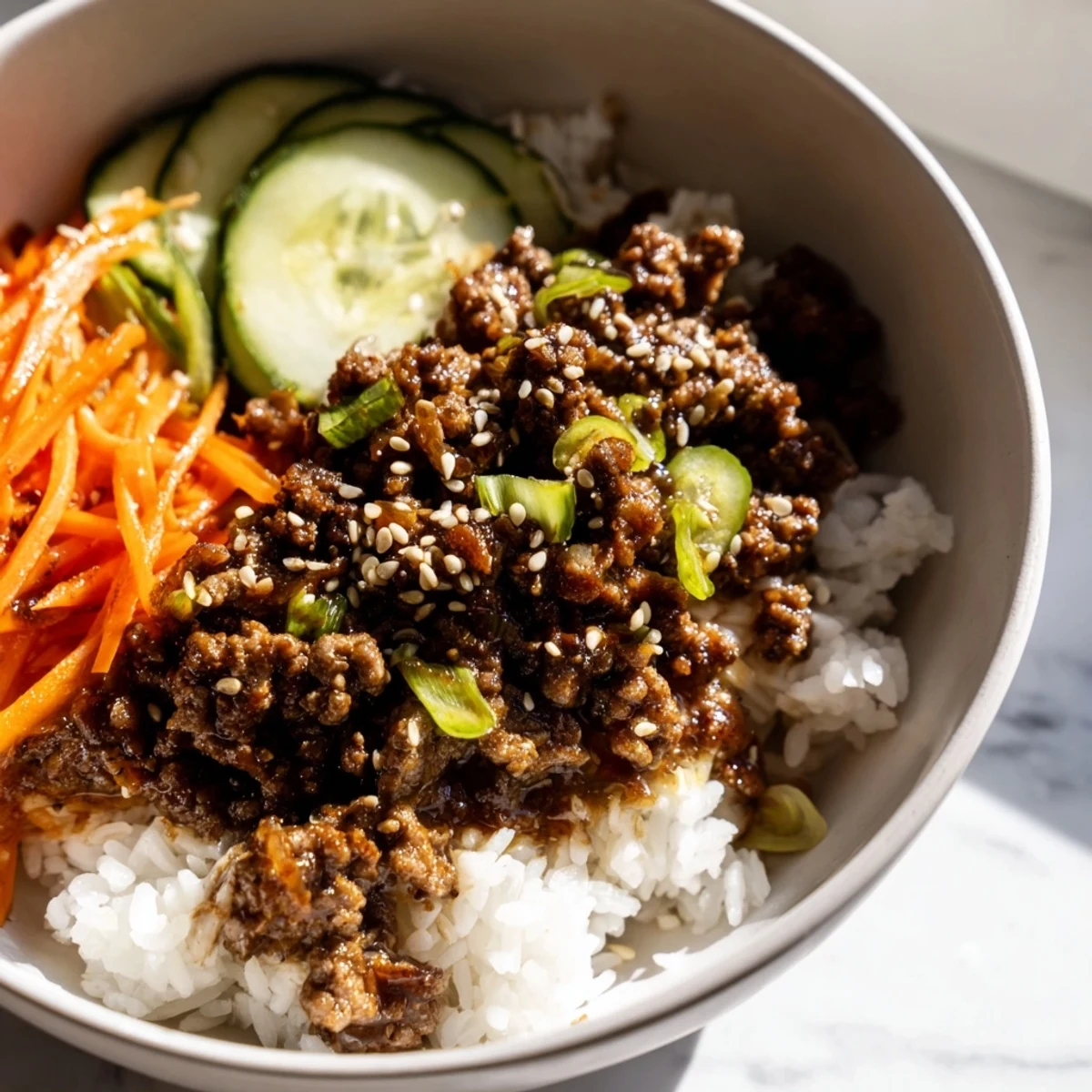
- Divide the fluffy rice among four bowls and top each with a generous portion of the saucy beef. Arrange the carrots, cucumber, scallions, and sesame seeds on top like edible confetti.
 Save
Save These Korean beef bowls have become my go-to comfort food. Something about the combination of hot beef, cool vegetables, and that sticky sauce just works. My roommate started requesting them every Sunday, and honestly, I do not mind at all.
Make It Your Way
I have made this recipe with ground turkey, chicken, and even crumbled tofu when my vegetarian sister visits. The sauce works with practically any protein you throw at it. Last week I used leftover roasted pork and it was honestly better than the original.
Rice Wisdom
After years of mushy rice disasters, I finally learned to trust the 2 to 1 water ratio and never lift the lid while it cooks. My Korean neighbor told me to fluff the rice with a fork instead of a spoon to keep the grains separate. Perfect rice makes such a difference in these bowls.
Topping Magic
The toppings are not just decoration, they actually balance the rich, savory beef with crunch and freshness. Sometimes I add quick-pickled radishes or a fried egg on top because why not.
- Prepare all your toppings before you start cooking the beef
- Let the beef rest for a minute off the heat so the sauce thickens slightly
- Serve the components family-style and let everyone build their own bowl
 Save
Save I hope these Korean beef bowls bring as much joy to your kitchen as they have to mine. Some recipes just make life taste better.
Recipe FAQs
- → Can I use a different protein instead of ground beef?
-
Ground turkey, chicken, or even crumbled tofu work wonderfully as alternatives. Adjust cooking time slightly since turkey and chicken may cook a bit faster than beef. For a vegetarian version, firm tofu pressed and crumbled creates a similar texture while absorbing the bold sauce flavors.
- → What can I substitute for gochujang if I can't find it?
-
Red pepper flakes provide heat, though you'll miss the fermented depth of gochujang. For a closer substitute, mix red pepper flakes with a small amount of miso paste and a touch of tomato paste. Sriracha works in a pinch but adds a different flavor profile.
- → Is this dish spicy?
-
The base version has mild to medium heat from the gochujang or red pepper flakes. You can easily adjust the spice level by reducing the chili paste or omitting it entirely for a milder dish. Those who enjoy heat can add extra gochujang or serve with additional chili sauce on the side.
- → Can I prepare components ahead of time?
-
The sauce can be whisked together and stored in the refrigerator for up to a week. Vegetables can be sliced a day in advance, though keep the cucumber separate to prevent sogginess. The beef cooks quickly, so it's best prepared fresh for optimal texture and flavor.
- → What other toppings work well with these bowls?
-
Pickled vegetables, quick-pickled radishes, or sliced avocado add creaminess. Fried or soft-boiled eggs make excellent additions for extra protein. Fresh herbs like Thai basil or mint brighten the dish, while pickled ginger provides tangy contrast to the rich beef.
- → How do I store and reheat leftovers?
-
Store components separately in airtight containers—the beef mixture, rice, and vegetables each keep well for 3-4 days. Reheat the beef gently in a skillet with a splash of water to refresh the sauce. Rice microwaves well, and vegetables are best enjoyed fresh or at room temperature.